


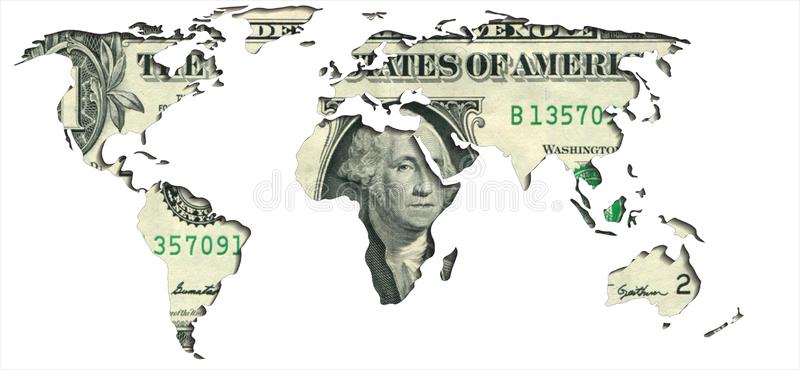
In today’s interconnected world, the U.S. dollar stands tall as the unrivaled champion of global currencies. Its dominance is deeply rooted in history, economics, and geopolitics, making it the preferred currency for international trade and finance. In this article, we will explore the reasons behind the dollar’s reign and shed light on its pivotal role in the global economy.
Historical Significance:
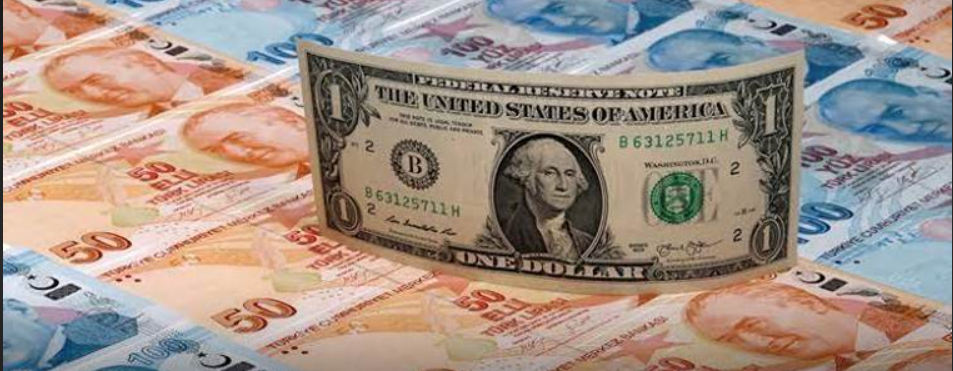
The dollar’s journey to becoming the world’s dominant currency can be traced back to the Bretton Woods Agreement of 1944. This international monetary system established the U.S. dollar as the world’s primary reserve currency, pegged to gold. This move provided stability to global economies in the aftermath of World War II, laying the foundation for the dollar’s supremacy.
Economic Stability and Innovation:
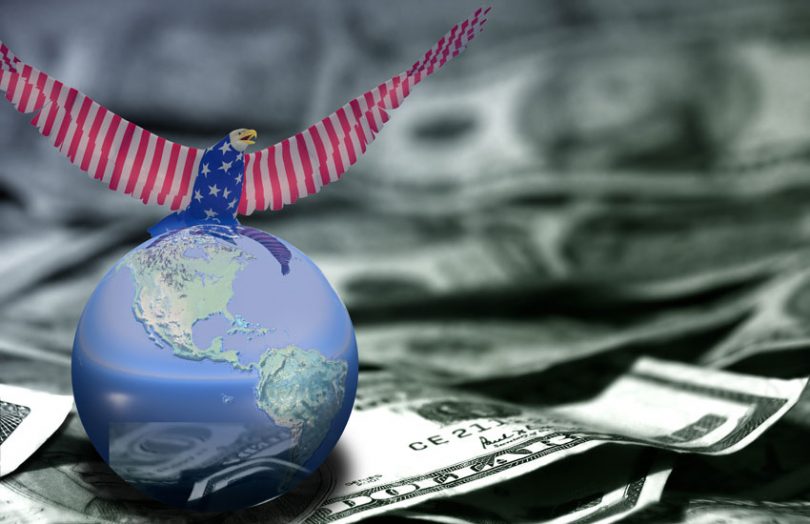
The stability of the U.S. economy has bolstered the dollar’s status. The United States boasts a robust GDP, a diverse and innovative economy, and a well-established legal framework, making it a safe haven for investors. Additionally, the U.S. government’s commitment to economic stability through prudent fiscal and monetary policies has further cemented the dollar’s position.

Geopolitical Influence:
The United States’ global influence, both politically and militarily, has played a pivotal role in maintaining the dollar’s dominance. Many countries hold significant reserves in dollars, ensuring their economic stability. Moreover, the dollar is used in international trade agreements and oil transactions, and as the preferred currency for foreign aid and investments, strengthening its foothold in the global arena.
Liquidity and Acceptance:
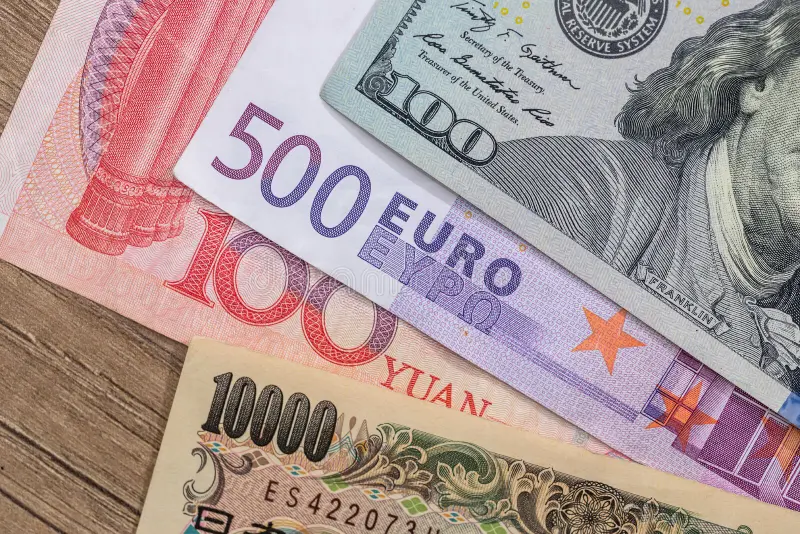
Dollars are widely accepted and easily convertible, offering unmatched liquidity. The dollar’s acceptance in global transactions reduces exchange rate risks and transaction costs for businesses, making it the preferred choice for international trade. Additionally, the widespread use of dollars in financial markets worldwide ensures a seamless flow of capital across borders.
Impact of Globalization and Trade:
As globalization has expanded, so has the use of the dollar. International trade, cross-border investments, and multinational corporations conduct their business predominantly in dollars, driving up demand. The dollar’s stability and predictability make it a reliable medium for conducting business in the ever-evolving global marketplace.
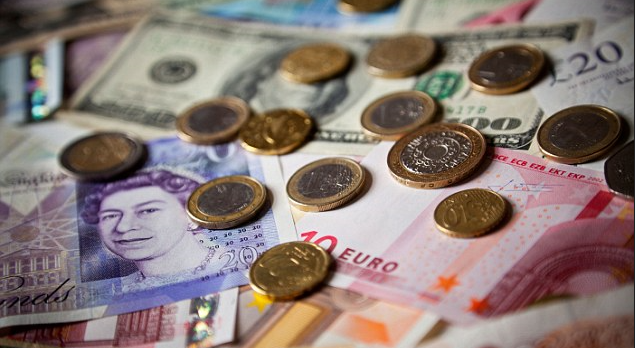
Away From Dollarization
Transitioning away from dollarization and adopting a different currency involves careful planning, economic reforms, and building confidence among the population and international investors.
It’s important to note that the process of de-dollarization is complex and requires careful planning, coordination among various government agencies, and a supportive global economic environment. Countries undertaking such transitions often seek the assistance and advice of international financial institutions and experts.
Conclusion:
The dollar’s dominance as the world’s preferred currency is a result of historical agreements, economic stability, geopolitical influence, liquidity, and globalization. Its role in international trade and finance is unparalleled, shaping the global economy and financial markets. While other currencies may rise in prominence, the dollar’s reign is likely to continue, ensuring its place as the linchpin of the world economy for years to come.

Leave a Comment