

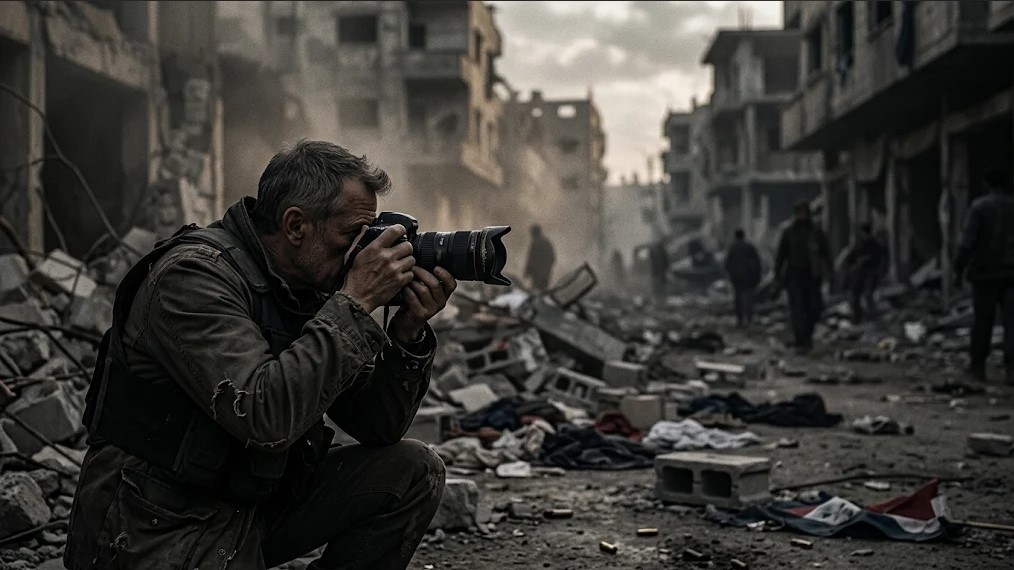

Sometimes the cruelest thing we can do is watch someone suffer and do nothing.
In March 1993, a photograph of Kevin Carter shocked the world.
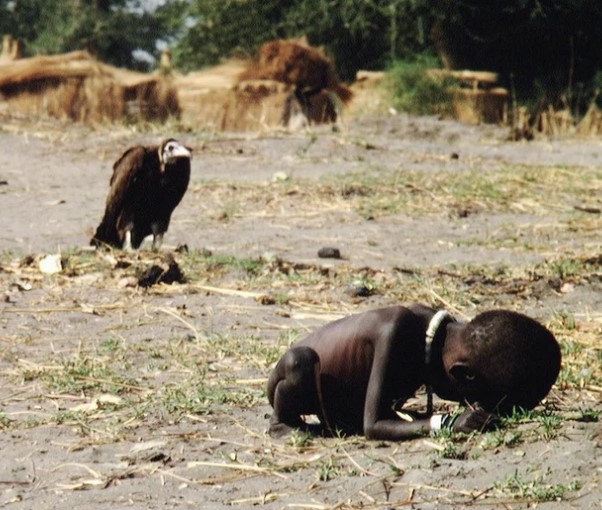
A small, severely malnourished child was lying on the dry, dusty ground in Sudan. Just a short distance behind the child stood a vulture, patiently waiting.
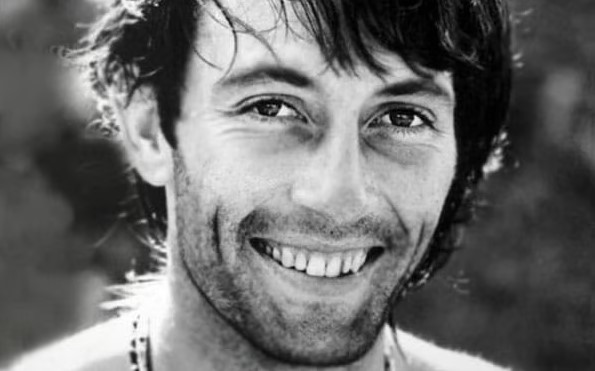
The photographer was Kevin Carter, a South African photojournalist.
He captured an image that would become one of the most controversial and unforgettable photographs in modern history. The picture was published by The New York Times on March 26, 1993, and later earned Carter the 1994 Pulitzer Prize for Feature Photography.
But the photograph raised a question much bigger than photography itself:
Why was someone capturing a moment of human suffering instead of simply helping the person who was suffering?
The Photograph of Kevin Carter That Shocked the World
Kevin Carter traveled to Sudan during a devastating famine. There, he witnessed the terrible consequences of hunger, poverty, and human suffering.
While documenting the crisis near Ayod, he encountered a child who had collapsed while apparently trying to reach a United Nations feeding centre. A vulture stood nearby.
Carter carefully positioned himself and waited for the right photograph.
According to accounts published at the time, he waited around 20 minutes, hoping the vulture would spread its wings. After taking the picture, he chased the bird away.
The child reportedly recovered enough strength to continue towards the feeding centre, although it was never confirmed whether the child reached it.
There is also an important historical detail: the child was initially believed to be a girl, but later reports identified the child as a boy named Kong Nyong.
The photograph became a symbol of the suffering caused by famine in Africa.
Yet it also created an uncomfortable debate about the responsibility of a person who witnesses suffering.
The Photographer (Kevin Carter), the Vulture and the Human Conscience
Imagine standing in front of a starving child.
You see a human being struggling for survival. You see a predator waiting nearby.
What would you do?
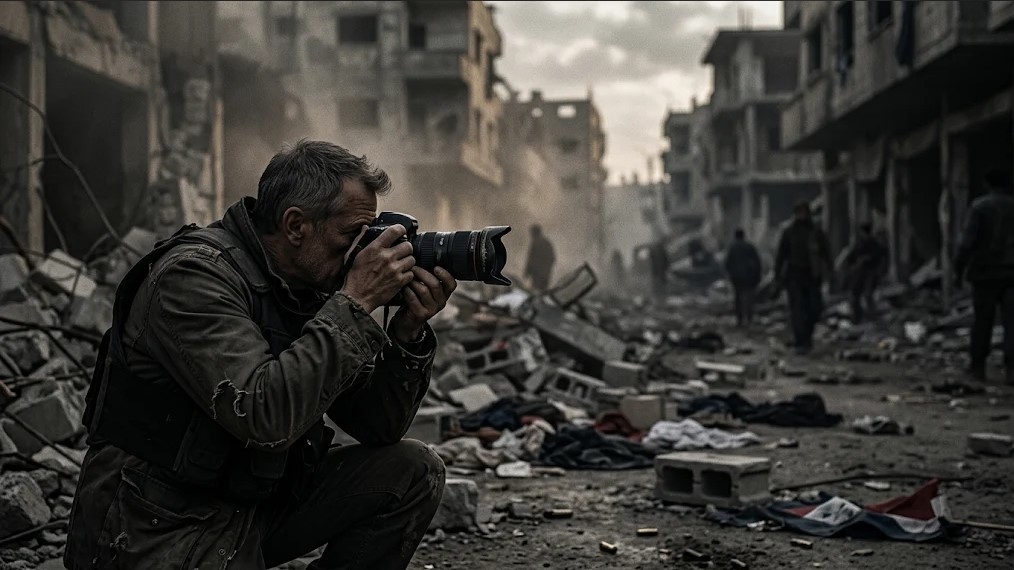
Would you immediately try to protect the child? Would you call for help? Would you do everything possible to save a life?
Or would you first think about the perfect angle, lighting and composition?
This is where the story becomes uncomfortable.
We should acknowledge that photojournalists sometimes document suffering to expose injustice, influence public opinion and encourage humanitarian assistance. Carter’s photograph brought international attention to the famine.
But the ethical question remains: when does documenting suffering become more important than responding to it?
A photograph can change the world. But a helping hand can change someone’s world immediately.
We Are Doing the Same Thing With Our Mobile Phones
Now look around us.
Someone has an accident on the road. People gather around, but instead of helping, several phones appear.
A person falls and gets injured. Someone starts recording.
A poor family struggles to survive. Someone makes a video of their misery to collect views.
A child cries in the street. Instead of comforting the child, people begin filming.
Someone is being humiliated, attacked or bullied. Rather than protecting the victim or calling for assistance, spectators record the entire incident.
We have become so obsessed with capturing moments that we sometimes forget to live up to our responsibilities as human beings.
We want likes, shares, followers, and millions of views.
But have we ever stopped to ask ourselves whether the person in front of our camera needs our attention more than our audience does?
Are We Becoming the Vultures We Once Condemned?
The vulture in Kevin Carter’s photograph was waiting for a helpless child to die.
Today, we sometimes behave in a disturbingly similar way.
We wait for someone to fall, fail, suffer, cry, or become helpless. Then we take out our phones and turn their pain into content.
The difference is that the vulture follows its natural instinct. We are human beings, blessed with the ability to understand suffering, make choices, and show compassion.
Yet sometimes we forget to use that ability.
Of course, not every person recording an incident is doing something wrong. Videos can provide evidence, expose injustice, and help rescue victims. Recording can be valuable when it supports the victim rather than exploits their suffering.
But when recording replaces helping, we need to question our priorities.
The real tragedy is not that we have cameras in our hands. It is that sometimes we have forgotten to use our hands to help.
Before You Press Record, Ask Yourself One Question
The next time you witness someone in trouble, pause for a moment.
Ask yourself:
If this were my father, mother, brother, sister or child, would I want people to stand around recording, or would I want someone to come forward and help?
Would you want your loved one’s pain to become somebody else’s viral video?
Or would you want someone to protect their dignity and save their life?
You do not have to be rich to help someone. You do not need a professional degree or special equipment to show humanity.
Sometimes helping means calling an ambulance.
Sometimes it means stopping traffic and making space for an injured person.
Sometimes it means offering water, calling emergency services, protecting a victim from a crowd or simply standing beside someone who is frightened.
And sometimes the greatest thing you can do is put your phone away.
Humanity Is More Important Than Virility
Kevin Carter’s photograph remains a powerful reminder of famine, suffering and the difficult ethical questions surrounding the act of witnessing human misery.
It also leaves us with a lesson that goes far beyond journalism.
We cannot change every tragedy in the world. We cannot rescue every person facing hardship.
But when suffering happens right in front of us, we have a responsibility to consider what we can do.
Let us not become spectators of someone else’s pain.
Let us not turn helplessness into entertainment.
Let us not measure the value of a human life by how many views its suffering can generate.
Recommended External References
- TIME: The Life and Death of Kevin Carter — His life and the story behind the photograph.
- The Guardian: Kevin Carter’s life and death — His career and legacy.
- Academic research: Everybody’s Child — The ethical questions surrounding images of suffering.
The world does not need more people recording humanity’s suffering. It needs more people willing to stand up for humanity.
Next time you see someone in trouble, remember:
Don’t just capture the moment. Be the reason someone survives it.
Because a camera can capture a tragedy, but only humanity can prevent one.
For further insights, keep visiting blogy365.com



Leave a Comment