


The Heat Wave Epidemic
Pakistan is facing a silent killer, heat strokes. As global warming tightens its grip on the country, temperatures are soaring, and the consequences are deadly. In recent years, heat waves have claimed thousands of lives, with the elderly, children, and outdoor workers being the most vulnerable.
Source : W H O
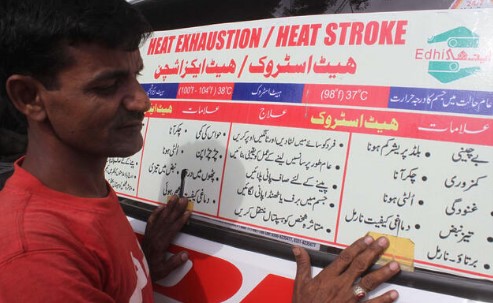
The Science Behind Heat Strokes
Heat strokes occur when the body’s temperature regulation system is overloaded, causing the brain and other vital organs to malfunction. Prolonged exposure to high temperatures, humidity, and physical exertion can lead to this life-threatening condition. Global warming is exacerbating the problem by:
- Increasing temperatures: Pakistan has seen a significant rise in temperatures over the past few decades, with some areas reaching as high as 53°C (127°F).
- Changing precipitation patterns: Unpredictable rainfall and droughts are becoming more common, further straining the country’s water resources.

The Pakistani Context
Pakistan is particularly susceptible to heat strokes due to:
- Limited access to healthcare:
Many rural areas lack adequate medical facilities, making it difficult for people to receive timely treatment. - Overcrowding and urbanization:
Cities like Karachi and Lahore are experiencing rapid growth, leading to increased temperatures and humidity and also a lack of greenery which is overtaken by concrete mafia. - Energy poverty:
The lack of access to electricity and air conditioning puts people at greater risk of heat-related illnesses.
Source: The Friday Times
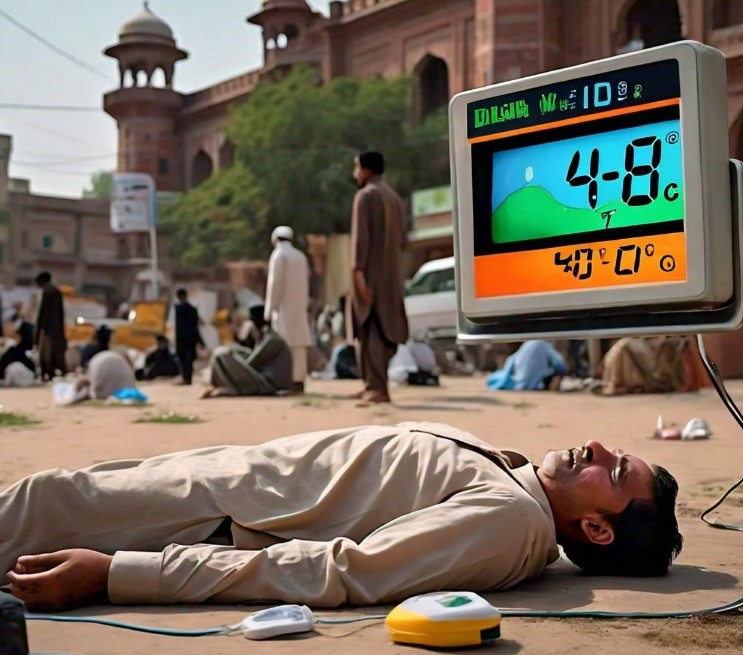
Mitigation and Adaptation Strategies
To combat this crisis, we must:
- Implement heat wave early warning systems:
Accurate forecasts and public awareness campaigns can save lives. - Promote water conservation:
Efficient irrigation systems and water harvesting techniques can help alleviate water scarcity. - Support renewable energy:
Investing in solar and wind power can reduce greenhouse gas emissions and provide sustainable cooling solutions.
Conclusion:
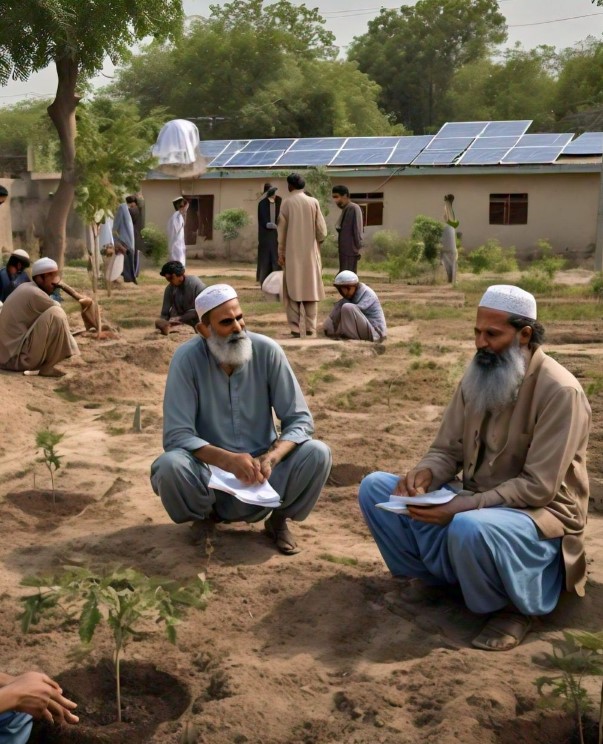
The connection between global warming and heat strokes in Pakistan is undeniable. It’s time for policymakers, healthcare professionals, and individuals to come together to address this pressing issue. By understanding the science, context, and solutions, we can work towards a cooler, safer future for all. The only solution to get rid of heat stroke which contain also pandemic alarms every year, we must go for saving and grow more trees.



You have remarked very interesting details! ps nice internet site.Money from blog