

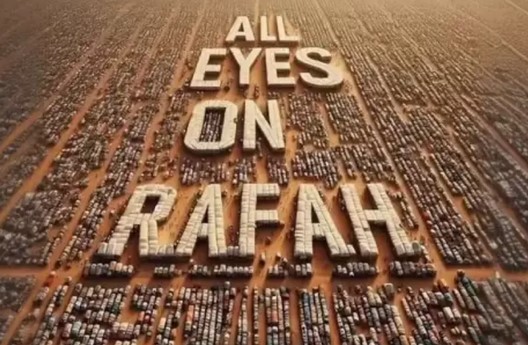

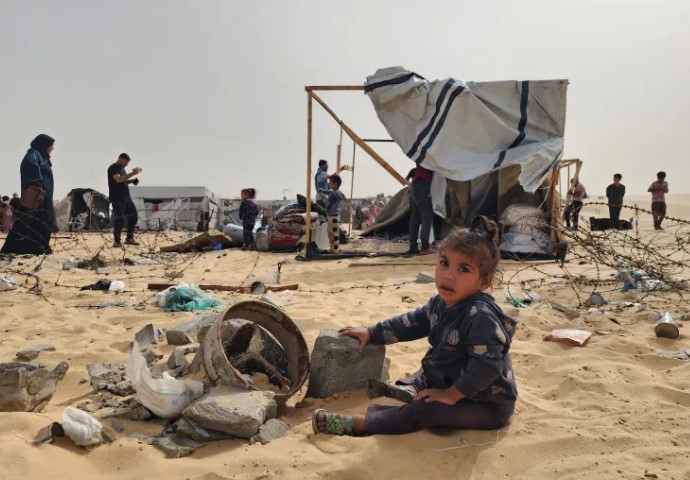
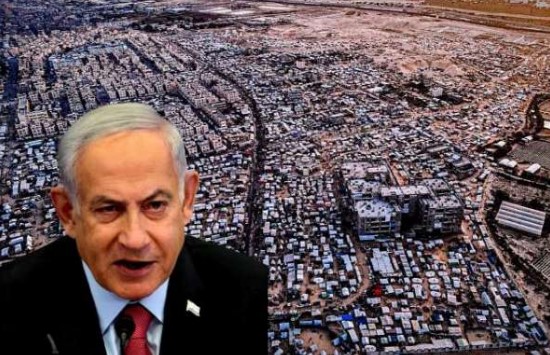
In a recent escalation of the ongoing conflict in Gaza, Israeli drones have targeted displaced Palestinians in Rafah, the southernmost city of Gaza. The situation in Rafah has become increasingly dire as residents report Israeli tanks pushing into various neighborhoods before retreating to a buffer zone near the Egyptian border. The targeted attacks on fleeing civilians have sparked international concern and calls for immediate humanitarian intervention.
oh Muslim rulers, keep sleeping, this vibration is not for you.
The Situation in Rafah
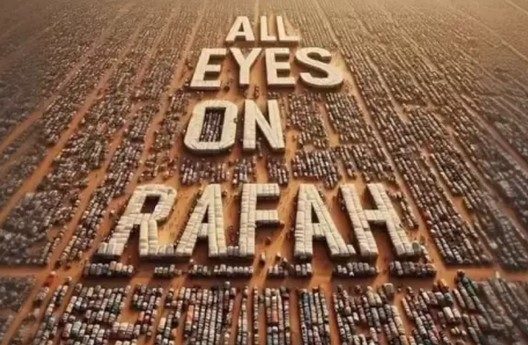
Residents of Rafah have reported seeing Israeli tanks advancing into Tal as-Sultan in the west, Yibna, and the Shaboura area in the center of the city. These incursions have caused widespread panic and displacement among the local population. According to Haitham al-Hams, deputy director of ambulance and emergency services in Rafah, distress calls were received from residents in Tal as-Sultan who were targeted by drones while trying to move to safer areas.
The Health Minister of Gaza, Majed Abu Raman, has made a public appeal to the United States, urging them to pressure Israel into opening the Rafah crossing to allow for the delivery of much-needed humanitarian aid. He emphasized that patients in Gaza are dying due to the lack of medical treatment and supplies, and there is no sign that Israeli authorities will permit the opening of the crossing anytime soon.
Insights and Analysis
The use of drones to target displaced civilians marks a significant and troubling development in the conflict. Drones offer a precise and remote means of warfare, often used for surveillance and targeted strikes. However, their deployment against non-combatant populations raises serious ethical and legal questions under international law. The deliberate targeting of civilians or those not actively participating in hostilities is a violation of the Geneva Conventions.
The strategic retreat of Israeli tanks to a buffer zone rather than maintaining their positions within the city could indicate a tactical maneuver aimed at creating a no-man’s-land and preventing any potential ground counter-offensives by Palestinian fighters. This tactic also serves to isolate Gaza further, tightening the blockade and limiting movement and access to essential services for the residents.
Al- Jazeera
Humanitarian Concerns
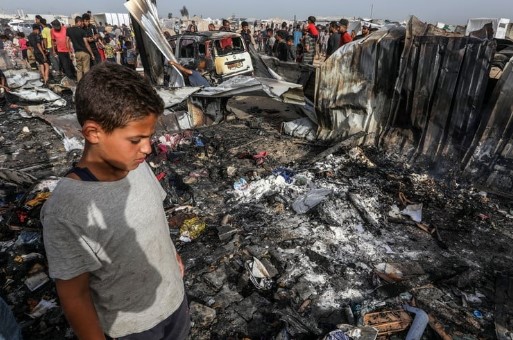
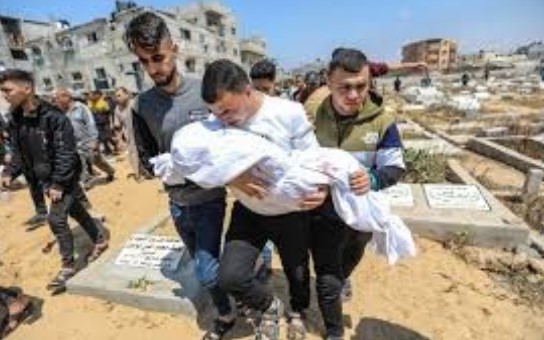
The situation in Gaza, particularly in Rafah, is exacerbated by the blockade that restricts the flow of goods, including medical supplies, food, and fuel. The health system in Gaza is already on the brink of collapse, and the recent drone attacks have only worsened the situation. The inability to evacuate the wounded and bring in medical aid has led to an increasing number of preventable deaths.
The international community has a critical role to play in addressing these humanitarian issues. Human rights organizations and several countries have called for immediate action to alleviate the suffering of the Gaza population. Opening the Rafah crossing is a vital step in this direction, but it requires political will and pressure on Israel to comply with international humanitarian obligations.
FAQs
Q: What areas of Rafah have been most affected by the recent Israeli incursions?
A: The areas of Tal as-Sultan, Yibna, and Shaboura have been significantly impacted by the recent Israeli military actions.
Q: Why are Israeli drones targeting civilians in Rafah?
A: Israeli drones have targeted civilians as they moved to safer areas, which is a significant concern and raises questions about the violation of international humanitarian law.
Q: What has been the response from Palestinian officials?
A: Palestinian officials, including Health Minister Majed Abu Raman, have called on the international community, particularly the United States, to pressure Israel to open the Rafah crossing for humanitarian aid.
Q: How has the blockade affected the humanitarian situation in Gaza?
A: The blockade has severely restricted the flow of essential goods, including medical supplies, exacerbating the humanitarian crisis and leading to preventable deaths.
Q: What can be done to alleviate the suffering of Gaza’s residents?
A: Immediate actions include opening the Rafah crossing for humanitarian aid, international diplomatic pressure on Israel to comply with humanitarian obligations, and increased support from global humanitarian organizations.
Conclusion
The recent drone attacks on fleeing civilians in Rafah highlight the urgent need for international intervention and humanitarian aid. The strategic and humanitarian landscape in Gaza is complex and deteriorating, necessitating immediate and coordinated efforts to provide relief to those affected by the ongoing conflict. Ensuring the safety and well-being of Gaza’s residents must be a priority for the international community, with a focus on upholding human rights and international law.
Leave a Comment