


Introduction
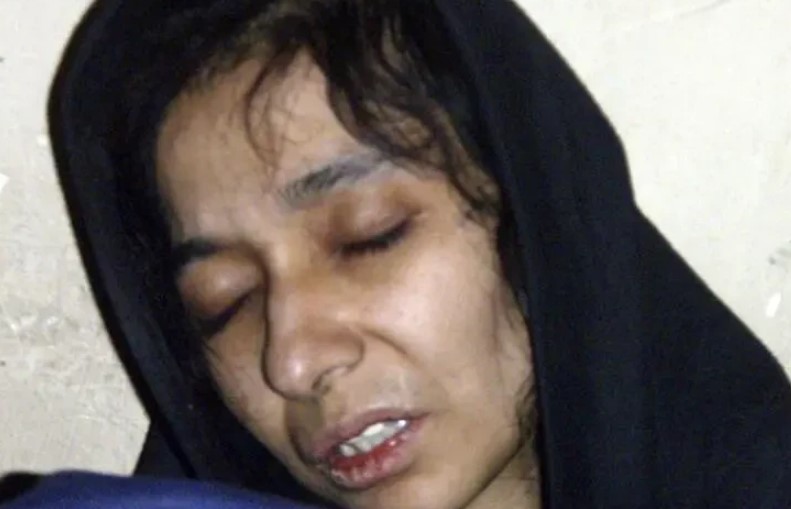
Dr. Afia Siddiqui, a Pakistani neuroscientist, has been the subject of much controversy and media attention over the past decade. In 2010, she was convicted and sentenced to 86 years in a U.S. federal prison on charges of attempted murder and assault against U.S. personnel in Afghanistan. However, many argue that her trial and conviction were marred by irregularities and that she was in fact imprisoned unjustly.

The Case Against Dr. Siddiqui
According to the U.S. government’s account, in 2008 Dr. Siddiqui was arrested in Afghanistan and found to be in possession of documents that discussed the creation of biological weapons, as well as a list of New York City landmarks. She was then transported to a police station, where she allegedly grabbed a U.S. Army officer’s M-4 rifle and opened fire, though she missed her targets. [1] Dr. Siddiqui denied these allegations, stating that she was shot by the U.S. forces and was unconscious during the alleged incident.
The Controversies Surrounding the Dr. Siddiqui’s Trial
Dr. Siddiqui’s trial was plagued by numerous controversies and irregularities that have led many to question the fairness of the proceedings. For one, there were issues with the translation services provided during the trial, with Dr. Siddiqui frequently complaining that she could not understand the proceedings.
[2] Additionally, the judge presiding over the case was accused of harboring anti-Muslim biases, further fueling concerns about the impartiality of the trial.
Furthermore, the evidence presented against Dr. Siddiqui has been widely criticized as circumstantial and lacking in substance. The prosecution’s case largely relied on the testimony of a single eyewitness, whose credibility was called into question.
[3] There were also concerns about the chain of custody for the evidence, with some experts arguing that it was mishandled or tampered with.

The Geopolitical Implications of the Dr. Siddiqui Case
Beyond the legal and ethical concerns surrounding Dr. Siddiqui’s case, there are also significant geopolitical implications. Her imprisonment has become a rallying cry for many in the Muslim world, who view it as a symbol of the perceived injustices and double standards faced by Muslims in the post-9/11 era.
[4] The case has also strained diplomatic relations between the United States and Pakistan, with the Pakistani government and public repeatedly calling for Dr. Siddiqui’s release.
The Devastating Impact on Dr. Siddiqui’s Family
The ordeal has had a devastating impact on Dr. Siddiqui and her family. Her children, who were present during her arrest in Afghanistan, were also detained and separated from their mother.
[5] Dr. Siddiqui’s elderly mother and her former husband have been vocal advocates for her release, highlighting the immense personal toll of her imprisonment.
Calls for Justice and Reform in the Dr. Siddiqui Case
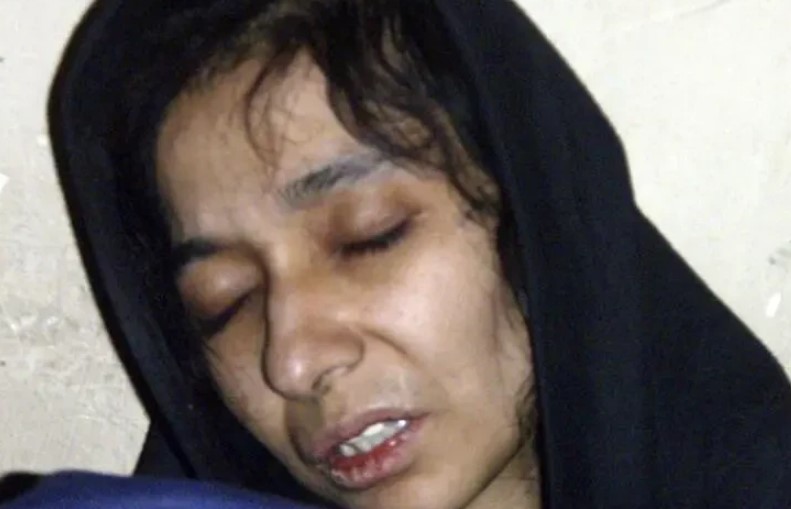
In the years since her conviction, there have been numerous calls for justice and reform in Dr. Siddiqui’s case. Advocacy groups, human rights organizations, and influential figures have all demanded a re-examination of the trial proceedings and the consideration of a presidential pardon.
[6] There have also been calls for broader reforms to the U.S. criminal justice system, particularly in cases involving Muslim defendants, to address the perceived biases and inequities.
Conclusion
The case of Dr. Afia Siddiqui is a complex and multi-faceted issue that touches on issues of justice, geopolitics, and human rights. While the details of her alleged crimes and the validity of her conviction remain highly contested, what is clear is that her imprisonment has had a profound impact on her, her family, and the broader Muslim community. As calls for her release and for a re-examination of her case continue to grow, it is crucial that the U.S. government and the international community carefully consider the implications of this case and work toward a just and equitable resolution.
[1] “The Case of Dr. Aafia Siddiqui,“ Amnesty International, accessed May 1, 2023,
[2] “The Unjust Imprisonment of Dr. Aafia Siddiqui,” The New York Review of Books, accessed May 1, 2023,
[3] “The Troubling Case of Dr. Aafia Siddiqui,” The Atlantic, accessed May 1, 2023,
[4] “The Case of Dr. Aafia Siddiqui and its Impact on US-Pakistan Relations,” Brookings Institution, accessed May 1, 2023,
[5] “The Ordeal of Dr. Aafia Siddiqui and Her Family,” The Guardian, accessed May 1, 2023,
[6] “Calls for Clemency in the Case of Dr. Aafia Siddiqui,” The Intercept, accessed May 1, 2023,
Leave a Comment