


Introduction
The semiconductor industry stands as a cornerstone of modern technology, integral to everything from smartphones and computers to automotive systems. The United States and China are two titans in this global market, both pouring resources into research and development. This blog post delves into the current state of the semiconductor industry in these two nations, highlighting key observations, emerging trends, and future implications.
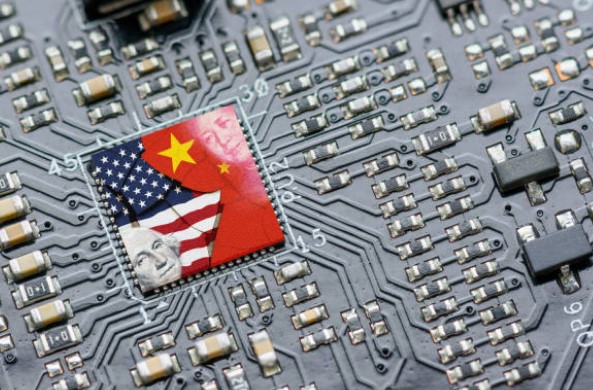
China’s Rise in the Semiconductor Industry
China is fervently pursuing self-sufficiency in the semiconductor sector, aiming to lessen its dependence on foreign technology. Significant investments are being funneled into semiconductor manufacturing, with leading companies like SMIC (Semiconductor Manufacturing International Corporation) and YMTC (Yangtze Memory Technologies Co.) at the forefront.
China’s government has been instrumental in fostering this growth, providing substantial financial support and policy incentives to boost domestic production. This strategic push has resulted in impressive advancements and an expanding footprint in the global semiconductor market.
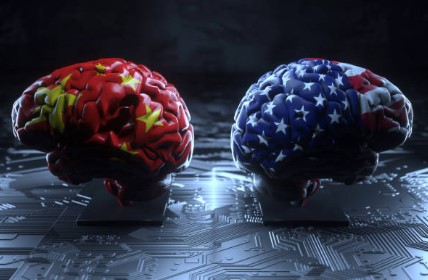
America’s Semiconductor Dominance
The United States has long been a dominant force in the semiconductor industry, thanks to pioneering companies like Intel, Texas Instruments, and Qualcomm. These firms have been instrumental in driving technological innovation and maintaining the U.S.’s leadership position.
American companies are renowned for their cutting-edge research and development facilities, which have significantly influenced the global semiconductor landscape. Their ongoing commitment to innovation continues to set the pace for industry advancements.
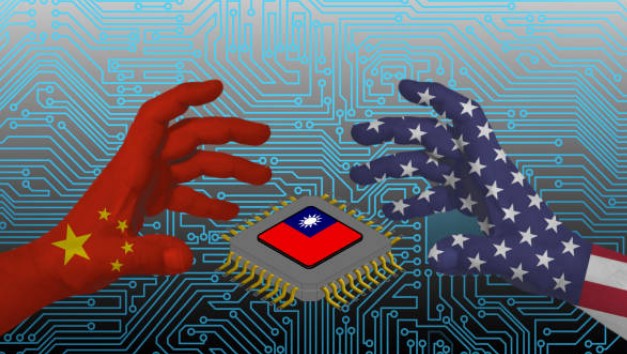
Observations and Trends for Semiconductor
- Global Supply Chain Disruptions The COVID-19 pandemic exposed vulnerabilities within the global semiconductor supply chain. Both China and the U.S. have faced challenges in maintaining production levels, prompting a re-evaluation of supply chain strategies to enhance resilience.
- Technological Advancements Investment in next-generation semiconductor technologies is a priority for both nations. Areas such as 5G, artificial intelligence, and quantum computing are receiving significant attention and funding, driving the evolution of semiconductor capabilities.
- Geopolitical Tensions The trade tensions between China and America have intensified scrutiny over semiconductor exports and imports. These geopolitical dynamics are reshaping industry strategies and could have profound implications for global semiconductor supply and collaboration.
Conclusion
The semiconductor industry is navigating a pivotal era, with China and America each striving for supremacy. As the global landscape continues to shift, innovation, collaboration, and strategic partnerships will be essential for sustained growth and development. Both nations must balance competition with cooperation to foster a thriving global semiconductor ecosystem.
For more insights on the semiconductor industry, check out the below links:
By staying informed and proactive, stakeholders can navigate the complexities of the semiconductor industry and leverage opportunities for innovation and growth. For further details, click blogy365.com

Leave a Comment