


Introduction
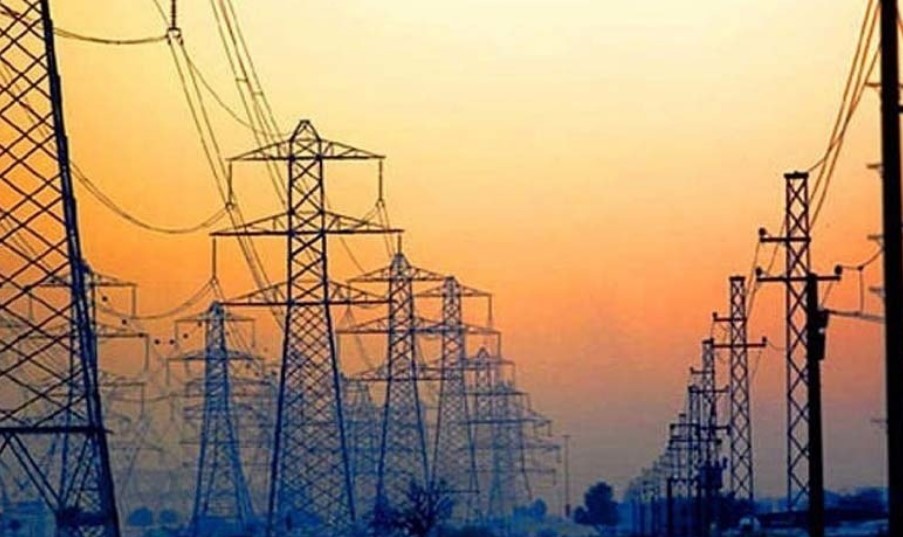
Independent Power Producers (IPPs) have emerged as a significant players in the energy sector, particularly in developing and underdeveloped countries. Pakistan, grappling with an energy crisis and economic instability, has seen the rise of IPPs as a potential solution. While they offer numerous benefits, their impact on the economy and the populace is multifaceted.
The Role of IPPs in Pakistan’s Energy Sector
IPPs provide a much-needed infusion of investment and competition in Pakistan’s power sector, traditionally dominated by state-owned entities. By attracting international and private investment, IPPs help bridge the gap between demand and supply, thus ensuring more reliable power distribution.
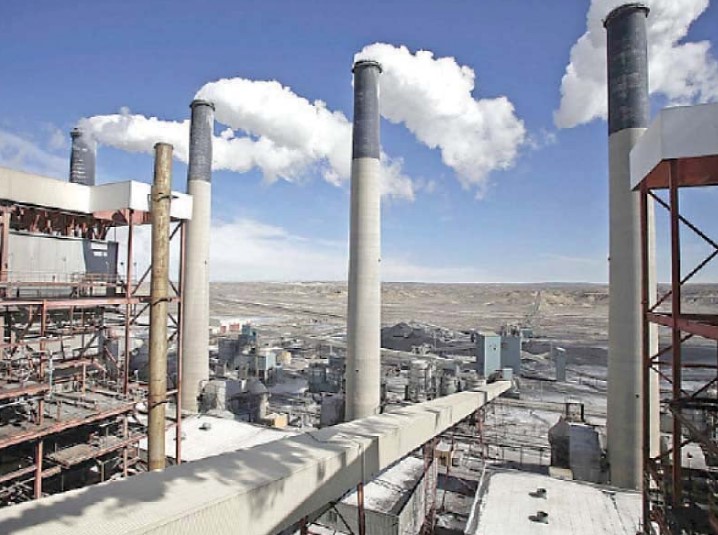
Benefits of IPPs
- Foreign Direct Investment (FDI): IPPs bring in significant FDI, which boosts the economy and creates job opportunities.
- Market Competition: The introduction of private players leads to competitive pricing, potentially lowering electricity costs.
- Technological Advancements: IPPs often come with modern technologies and efficient power generation methods, improving overall energy efficiency.
Challenges Faced by IPPs in Pakistan
Despite their benefits, IPPs face several challenges in Pakistan, largely stemming from the country’s economic and political instability.
Key Challenges
- Currency Fluctuations: The weak domestic currency against the USD poses a significant risk, affecting the profitability and sustainability of IPPs.
- Inconsistent Payment Plans: An unstable economy leads to irregular payments from the government to IPPs, disrupting operations.
- Political Instability: Frequent changes in government and policy can lead to contract reevaluations or cancellations, adding to the uncertainty for IPPs.
Circular Debt: A Major Hurdle
One of the most pressing issues is the accumulation of circular debt, a financial quagmire that has severe repercussions for the entire power sector.
Understanding Circular Debt
Circular debt is essentially a chain of unpaid dues among various entities in the energy sector. In Pakistan, it results from the government’s inability to pay IPPs on time, forcing IPPs to delay payments to fuel suppliers and maintenance contractors. This debt is compounded by the ‘Take-or-Pay’ agreements that mandate the government to pay for a specified amount of electricity regardless of actual consumption.
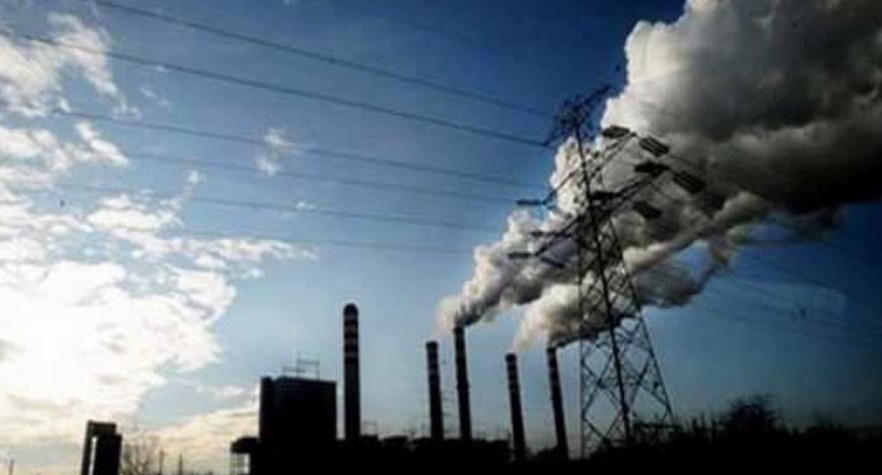
Impact on Electricity Prices
The burden of circular debt translates into higher electricity prices for consumers. As of June 2023, Pakistan’s external debt stood at $124.3 billion, with circular debt reaching Rs. 2.646 trillion by July 2023. This unsustainable financial model has led to increased tariffs, further straining the public.
Socio-Economic Impact on the People of Pakistan
The economic turmoil and rising energy costs have a direct impact on the everyday lives of Pakistanis. The situation is exacerbated by the devaluation of the Pakistani Rupee and stringent IMF conditions, including the reduction of subsidies in the power sector and weekly increases in electricity prices are intolerable for Pakistanis,s huge electricity bills, they are getting every month, cause uncountable irritation of the behaviors have been observed nowadays.
Rising Protests
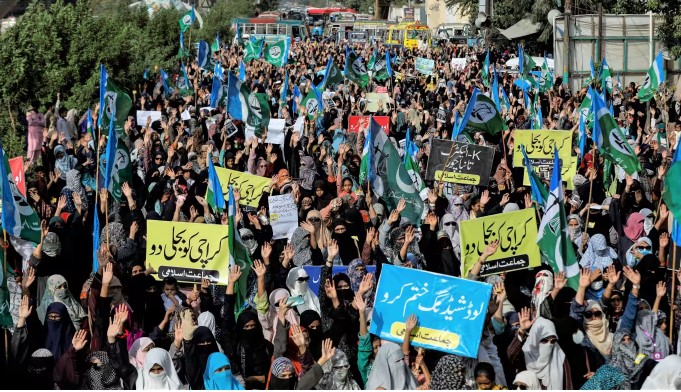
The combination of soaring fuel prices, inflation, and energy costs has led to widespread protests across the country. The public outcry is a reflection of the severe economic pressures faced by households, with many struggling to pay their electricity bills.
Government’s Response
The caretaker government’s Finance Minister, Shamshad Akhtar, has acknowledged the lack of fiscal space to provide subsidies or financial relief, leaving the population to bear the brunt of these economic challenges.
Conclusion
Independent Power Producers (IPPs) play a crucial role in Pakistan’s energy sector, offering potential solutions to the country’s power crisis through investment and technological advancements. However, the challenges they face, particularly in a fragile economic and political environment, lead to significant repercussions for the economy and the public. Addressing issues such as circular debt and ensuring consistent policy support are essential for maximizing the benefits of IPPs in Pakistan.
For further insights into the impact of IPPs on global economies, you can refer to this detailed report by the International Energy Agency.
Related
By understanding the multifaceted impact of IPPs, policymakers and stakeholders can work towards a more sustainable and equitable energy future for Pakistan.
For further details please log in to blogy365.com
Leave a Comment