

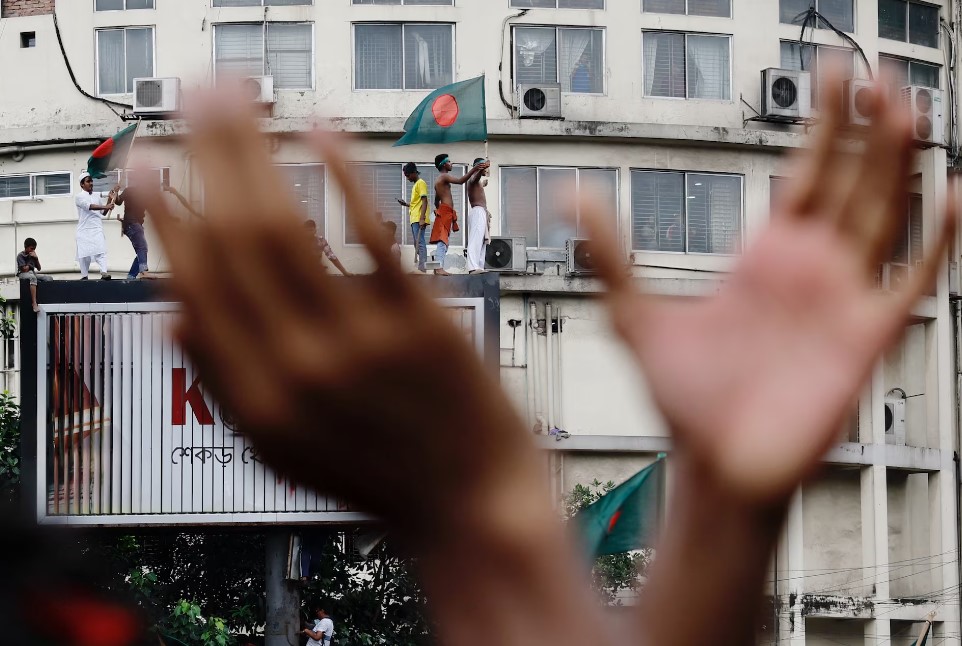

Bangladesh is at a pivotal moment in its history as Prime Minister Sheikh Hasina resigns and flees the country amidst escalating protests and civil unrest. This development marks the end of a significant era for Bangladesh, as Hasina, a dominant political figure for decades, steps down under intense pressure. Let’s explore the events that led to this dramatic change and the future of Bangladesh.
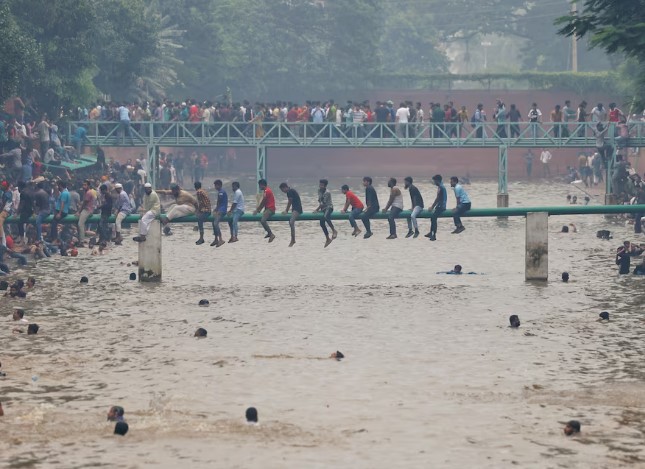
Sheikh Hasina Resigns and Flees to India
On August 5, 2024, Bangladesh’s Prime Minister Sheikh Hasina resigned from her position and fled to India. This decision came after violent protests erupted across the country, demanding her resignation. The protests initially began over dissatisfaction with job quotas but quickly evolved into a broader movement against her rule. Her departure marks the end of a 15-year second stint in power and a total of 20 years as the leader of Bangladesh, a tenure largely characterized by both economic growth and political controversy.
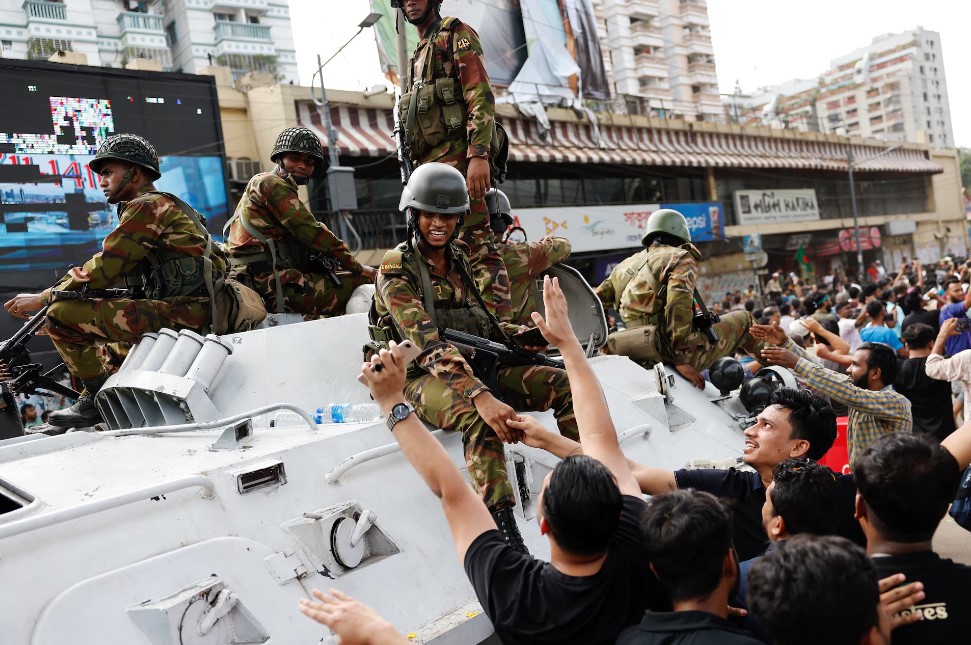
Son’s Statement on Hasina’s Departure
Sheikh Hasina’s son, Sajeeb Wazed Joy, told the BBC World Service that his mother’s decision to leave was made for her own safety. He expressed disappointment that a minority had risen against her, despite her significant contributions to the country’s development. Joy confirmed that Hasina would not seek a political comeback, emphasizing that her departure was a personal and family decision.
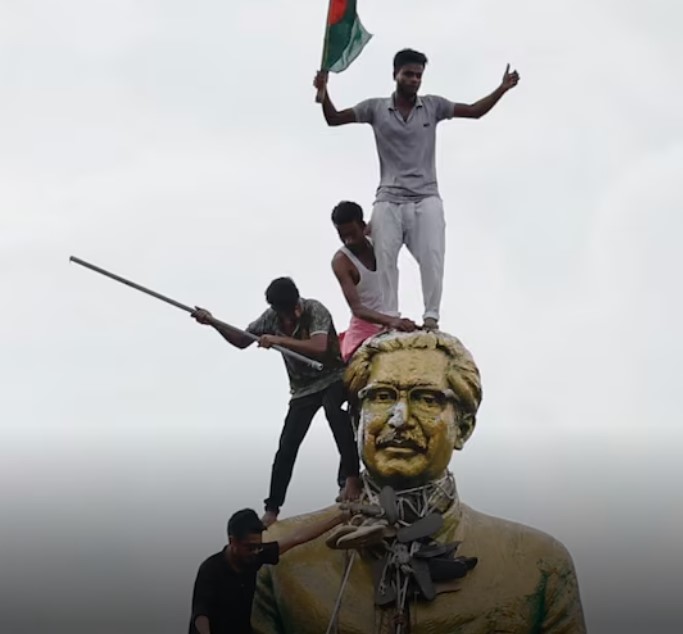
The Army’s Role and Formation of an Interim Government
In a televised address, Army Chief General Waker-Uz-Zaman announced the resignation of Prime Minister Hasina and declared that an interim government would be formed soon. General Zaman, who assumed his position on June 23, 2024, expressed the military’s commitment to restoring peace and justice in Bangladesh.
A Revolutionary Period
Describing the current state of Bangladesh as a “revolutionary period,” General Zaman promised justice for those affected by the violence and urged the nation to refrain from further violence. The military has taken control of the situation, imposing a curfew and promising to reopen schools, factories, and universities once the situation stabilizes.
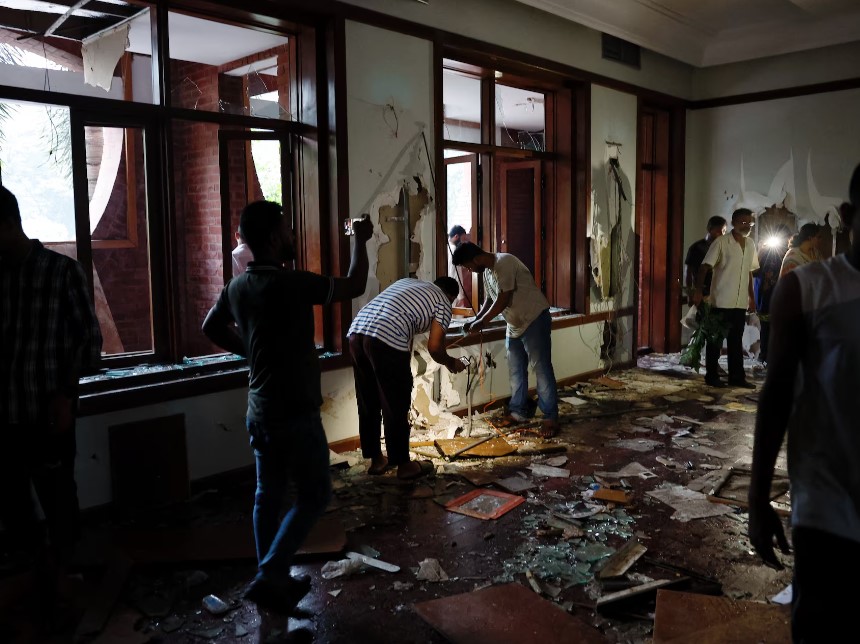
Protests and Violence in Bangladesh
The protests against Hasina’s government have been intense and widespread, with significant violence reported across the country. The unrest initially started with student protests against job quotas that seemed to favour allies of Hasina’s party, the Awami League. These protests quickly escalated into a full-blown campaign demanding Hasina’s removal, resulting in a violent crackdown by security forces.
Casualties and Economic Impact
The protests have led to substantial casualties, with reports indicating that over 250 people have been killed and thousands injured. The economic impact has been severe, with garment factories—vital to Bangladesh’s economy—closed indefinitely amid the chaos.
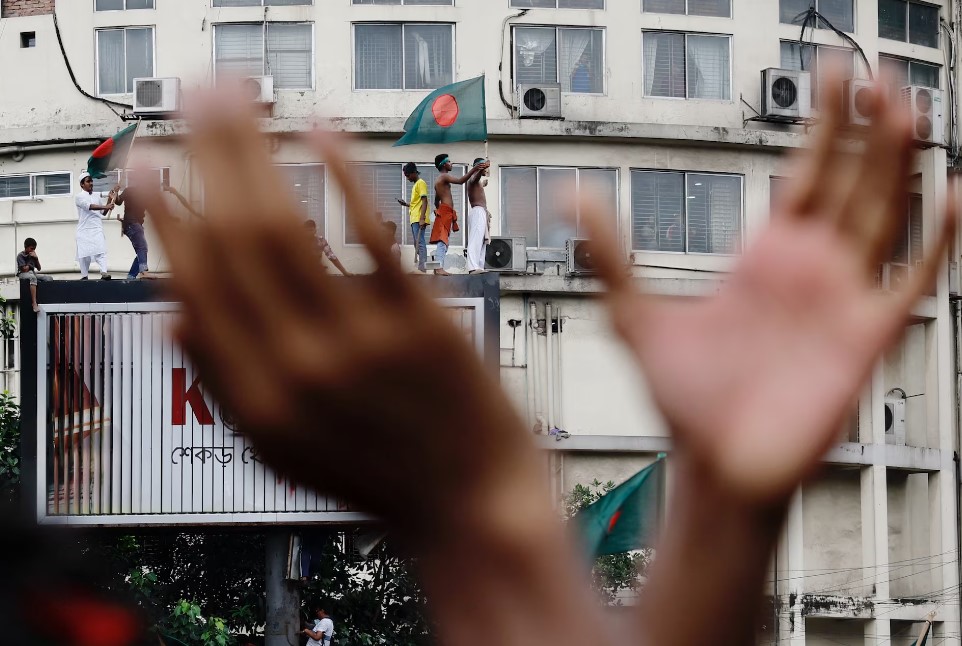
International Reactions and Future Prospects
The resignation of Sheikh Hasina and the ensuing political turmoil have drawn international attention. The United States has called for the formation of a democratic and inclusive interim government and urged all parties to restore peace and stability as quickly as possible.
Optimism for Democratic Transition
Despite the challenges, there is optimism about a potential democratic transition in Bangladesh. As a significant contributor to UN peacekeeping operations, Bangladesh is under international scrutiny to ensure a peaceful and democratic transition. Experts like Sabrina Karim, an associate professor at Cornell University, emphasize the need for the interim government to uphold the rule of law and avoid any acts of revenge during this transition.
Conclusion: A New Chapter for Bangladesh
Sheikh Hasina’s resignation signifies a crucial turning point for Bangladesh. As the country navigates through this turbulent period, there is hope for a democratic and inclusive future where the rights and freedoms of all citizens are protected. The rise of a new Bangladesh hinges on the ability of its leaders and people to work together to rebuild the nation into a democratic and developed state.
By examining these events, we can understand the complexity and significance of this moment in Bangladesh’s history. For more information on the situation and its implications, read the Article at blogy365.com and follow updates from BBC World Service.

Leave a Comment