


Rising Crimes Against Women: Is This a Sign of Systematic Failure?
In a world that has advanced in technology, education, and civil rights, one thing remains alarmingly unchanged: the growing violence against women. Despite decades of progress, the rising crimes against the female gender seem to be outpacing our collective development as a society. The recent incident involving the alleged rape at Punjab College in Lahore serves as a tragic reminder of how deep-rooted this issue is. But does this mean we are nearing the point of no return, where even Judgment Day cannot bring justice?
The Punjab College Rape Case: A Wake-Up Call for Pakistan
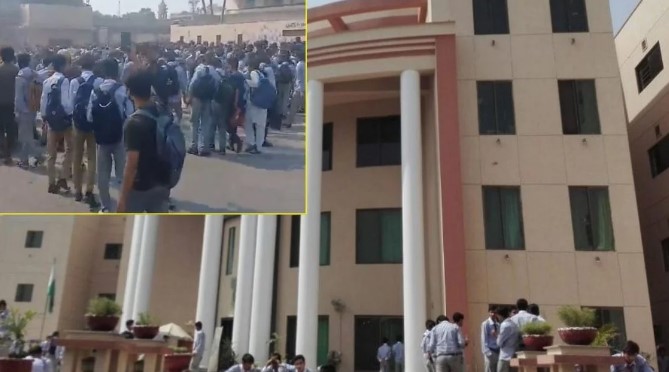
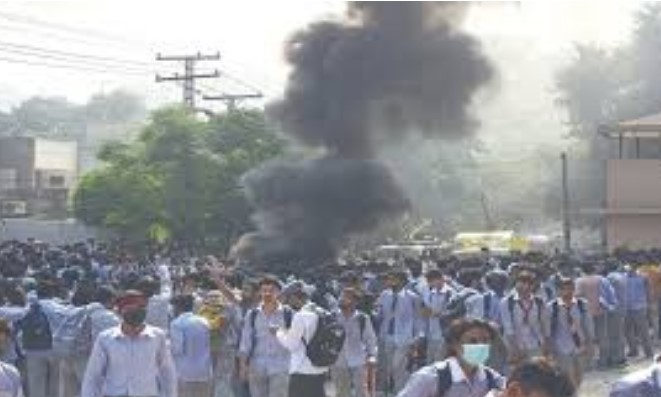
On October 11, 2024, social media platforms were ablaze with horrifying reports of a first-year female student from Punjab College allegedly being raped by a security guard on the Lahore campus. This news sparked widespread outrage, with students nationwide taking to the streets in protest. Many marches ended in violence as clashes between student protestors, the police, and college security escalated. Reports suggest that 27 students were injured in the protests on October 14, 2024, intensifying the national outcry.
Despite public demands for justice, the response from authorities has been lackluster. The Punjab Police detained the accused security guard, but Deputy Inspector General Faisal Kamran stated that no solid evidence had been presented, and, shockingly, the alleged victim had yet to come forward. Furthermore, there were claims that CCTV footage of the incident had been deleted, casting further doubt on the investigation and the good news is that the victim a fairy of her father is no more, is there anything more supposed to remain in this country, which level of justification is surrounding, anyone can kill us and pay Dayyat to our family and go away.
Systematic Failures in Handling Crimes Against Women
This case sheds light on the systematic failures that plague our society in addressing gender-based violence. Why is it that crimes against women continue to rise? Why are victims afraid to come forward? The lack of accountability, transparency, and action from both authorities and institutions is a significant factor.
Many students have expressed their frustration at the authorities’ slow response, arguing that the lack of proof stems from society’s unwillingness to support victims. In Pakistan, there is a deeply ingrained stigma attached to sexual assault cases, where victims often face more scrutiny than the abusers. This culture of victim-blaming and social disgrace prevents many survivors from reporting their abuse, leaving countless cases unregistered.
While the Anti-Rape Law was passed in Pakistan in 2016 to address these issues, the law’s effectiveness has been limited. Studies suggest that only around 3% of rape cases in Pakistan are actually reported, meaning that the majority of survivors suffer in silence. This alarming statistic reveals the extent to which our society has failed to create a safe environment for women.
False Allegations or Justice Delayed?
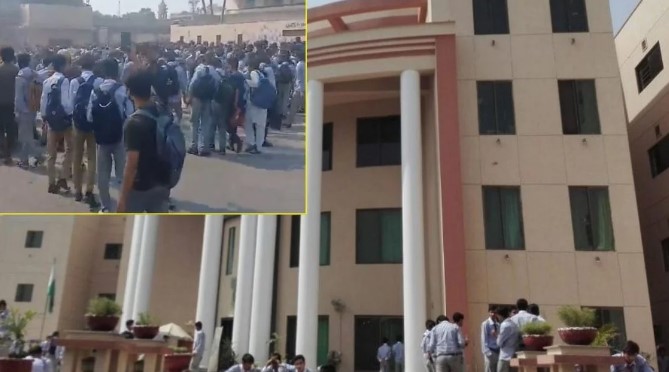
Amid the uproar, the Punjab Group of Colleges (PGC) released an official statement, categorically denying that any such incident took place on their campuses. They labeled the reports as “false news,” suggesting that the claims were an attempt to tarnish the institution’s reputation. This counter-narrative leaves us with a perplexing question: Was this an orchestrated smear campaign, or is the system trying to bury another case of abuse?
The absence of the victim or her family coming forward only adds to the mystery. One must ask, what if fear of public shame and societal judgment is the reason behind their silence? In many cultures, especially in South Asia, victims of sexual violence are often ostracized and blamed for the crimes committed against them. Is it any wonder that survivors hesitate to seek justice when the social costs seem so high?
Will Judgment Day Bring Accountability?
As we witness these tragic events unfold, one cannot help but ponder whether humanity has reached a tipping point. The consistent failure of systems—whether legal, social, or institutional—to protect women from such heinous crimes begs the question: Are we nearing Judgment Day, where justice will finally be served? Or are we too far gone, unable to mend a broken system?
The question of why Judgment Day should not be near becomes even more significant when we look at the state of gender-based violence today. If we are unable to protect the vulnerable, provide justice, and create a society where women feel safe, perhaps Judgment Day should serve as a reckoning for all our collective failures. But does it have to come to this?
Rather than waiting for an abstract form of justice, society and the authorities must take concrete steps to address the root causes of these issues. This includes removing the stigma around sexual assault, encouraging victims to come forward, and ensuring swift and transparent investigations. Only then can we hope to create a world where such atrocities are a thing of the past?
The Role of Society and Law in Preventing Future Crimes
To ensure a safer future for women, society must embrace significant cultural changes. This includes challenging harmful gender norms and promoting awareness about the importance of consent, mutual respect, and gender equality. Additionally, the legal system must be strengthened to ensure that laws protecting women are not just symbolic but are actively enforced.
External resources like UN Women and Amnesty International advocate for gender equality and women’s rights. These organizations offer practical guidelines on how to address the ongoing issues of sexual violence, empowering both individuals and communities to take action.
Final Thoughts: Where Do We Go From Here?
The Punjab College rape case is not an isolated incident, but rather a symptom of a larger, more insidious problem. Judgment Day doesn’t need to come for us to fix this. What we need is collective action—from individuals, institutions, and governments—to address the rising crimes against women. As long as we remain silent, complicit, or passive, we are contributing to a world where safety and justice for all remain a distant dream.
By discussing this issue, we hope to raise awareness and encourage collective action. Let’s work towards a world where women no longer fear for their safety, and where justice is swift, fair, and unbiased. Human Rights Watch for more information. For further info, please log in to blogy365.com
Leave a Comment