


Understanding the phrase “Allah-u-Akbar” goes beyond mere repetition—it requires deep contemplation of Allah’s magnificence, which can be best appreciated through the study of astronomy. In this blog post, we explore the importance of astronomy in strengthening our understanding of Allah’s greatness and why it should be a part of education in Pakistan’s madrassas. 🚀
🌠 What Does ‘Allah-u-Akbar’ Truly Mean?
When we proclaim Allah-u-Akbar (Allah is the Greatest), do we fully grasp its meaning? For most, this remains an abstract concept. However, astronomy opens the door to understanding Allah’s boundless grandeur. The observable universe, stretching 93 billion light-years across, is a testament to His power and creativity.
Each star, planet, and galaxy tells a story of Allah’s infinite greatness. Without studying these celestial wonders, how can we fully comprehend His supreme attributes?
🔭 Astronomy: The Bridge to Divine Contemplation
🌍 Beyond Earthly Knowledge
Astronomy unveils the universe’s marvels—vast galaxies, fiery stars, and mysterious black holes. These phenomena remind us of our insignificance and Allah’s majesty.
The Quran frequently encourages believers to reflect on the heavens:
“Do they not look at the sky above them—how We have built it and made it perfect?” (Surah Qaf: 6)
🛸 Life Beyond Earth?
NASA’s tireless search for extraterrestrial life highlights human curiosity. While no conclusive evidence has been found, Allah has neither confirmed nor denied the existence of other creations. This mystery fuels our exploration and deepens our awe of the Creator.
🔗 Learn About NASA’s Space Exploration
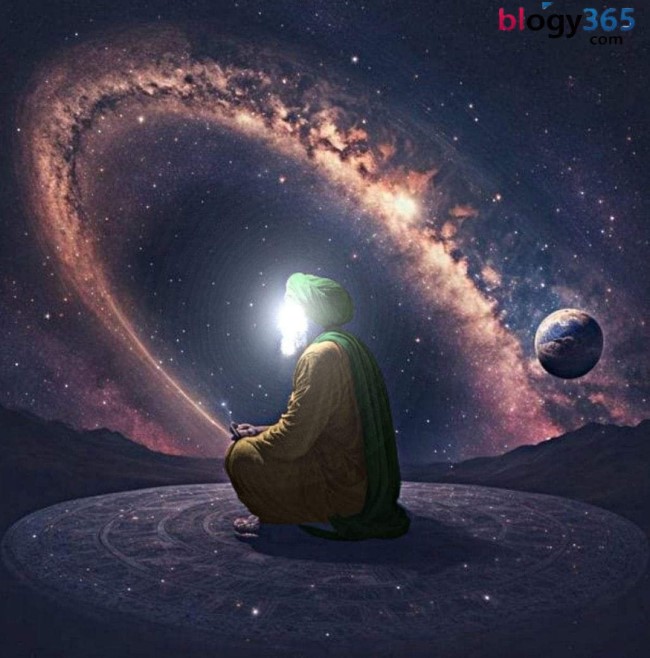
🌌 Astronomy in Islamic Education: A Necessity
📚 Why Introduce Astronomy in Madrassas?
- Enhancing Faith: Understanding the cosmos strengthens belief in Allah’s omnipotence.
- Intellectual Growth: Astronomy develops critical thinking and a scientific temperament.
- Rekindling Curiosity: Exploring the universe keeps our innate wonder alive.
Including an astronomy class in madrassas would not only enrich religious education but also inspire students to explore scientific disciplines.
💡 The Cosmic Scale: A Humbling Perspective
🌟 Our Tiny Existence
The Milky Way, our galaxy, contains over 100 billion stars and spans 100,000 light-years. Yet, it’s just one of countless galaxies. Imagine the vastness of Allah’s creation when our solar system is merely a speck in this cosmic ocean.
Fun Fact:
A light-year is approximately 9.46 trillion kilometers—a distance beyond human comprehension!
🔥 From Fiery Suns to Frozen Worlds
Astronomy reveals extremes: planets hotter than stars and regions colder than ice. These awe-inspiring discoveries underline Allah’s unmatched creativity and control over His creation.
🌌 Reflecting on Allah’s Signs in the Heavens
Astronomy amplifies our understanding of Allah’s attributes:
- Al-Khaliq (The Creator): The meticulous design of the universe.
- Al-Azim (The Magnificent): The unimaginable scale of the cosmos.
- Al-Malik (The King): The sovereignty over every atom.
📝 Conclusion: Let the Stars Guide You to Allah
The study of astronomy is not just a scientific pursuit but a spiritual journey. It brings us closer to understanding the true meaning of Allah-u-Akbar and appreciating Allah’s boundless greatness. Let’s advocate for integrating astronomy into education, especially in religious institutions, to deepen our connection with our Creator. stay tuned with blogy365.com
As Allama Iqbal beautifully said:
“Nahi tera nasheman qasr-e-sultani ke gumbad par,
tu shaheen hai, basera kar paharon ki chattanon mein.”
Leave a Comment