

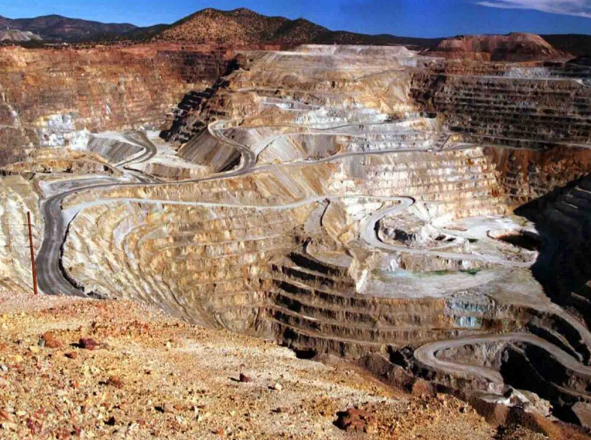

🌟 The Hidden Treasure: Pakistan’s Mineral Wealth
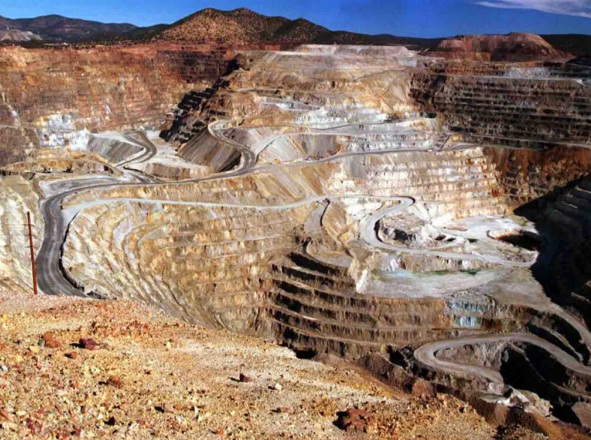
Pakistan is a land blessed with abundant natural resources, including a vast array of precious minerals. The country boasts a national outcrop area of approximately 600,000 sq. km, with an impressive 92 known minerals—52 of which are commercially exploited. From copper and gold to marble and chromite, these resources play a crucial role in the country’s economy.
In FY 2020-21, the Mines and Mineral sector contributed 2.38% to Pakistan’s GDP. With Balochistan leading the way, the mineral sector holds vast investment opportunities that can boost the nation’s economic prosperity.
🌍 Balochistan: The Mineral Hub of Pakistan
Balochistan, Pakistan’s largest province, is also its most mineral-rich region. Accounting for 55% of the total national outcrop area, Balochistan holds reserves of more than half of the country’s metallic and non-metallic minerals. Around 50 minerals have been discovered here, and 39 of them are commercially exploited under 1,610 licenses.
⛏ Key Minerals in Balochistan
🔮 Metallic Minerals:
- Copper
- Gold
- Iron Ore
- Chromite Ore
- Lead & Zinc
🌏 Non-Metallic Minerals:
- Onyx, Marble, and Granite
- Coal
- Sulphur
- Barite
- Gypsum and Anhydrite
✅ Investment Opportunities in Balochistan’s Mineral Sector
With the increasing demand for minerals, investment in Balochistan offers significant opportunities, especially in:
- Marble
- Chromite
- Coal
- Iron Ore
⛪ Marble: The Jewel of Balochistan
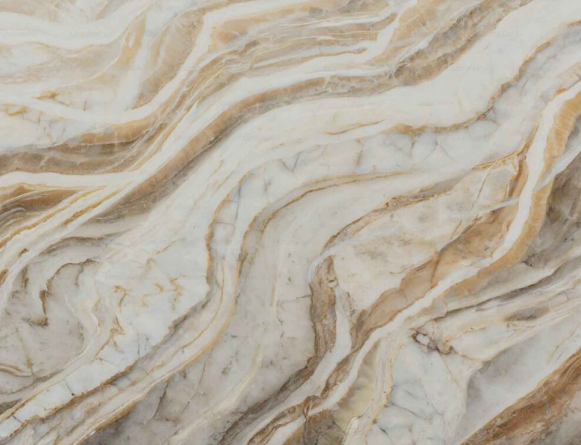
Balochistan is home to some of the world’s finest marble reserves, including the internationally sought-after green Onyx marble. With the construction industry growing at a CAGR of 4.2%, the demand for high-quality marble is soaring.
💎 Pakistan’s Marble Exports:
- Pakistan exports 90% of its marble from Balochistan to 52 countries.
- China is the top importer, with purchases worth $15 million in 2020.
- Other major importers include Gulf countries, Korea, and Europe.
Read More: The Rising Demand for Pakistan’s Marble
🛠️ Chromite: The Backbone of the Steel Industry
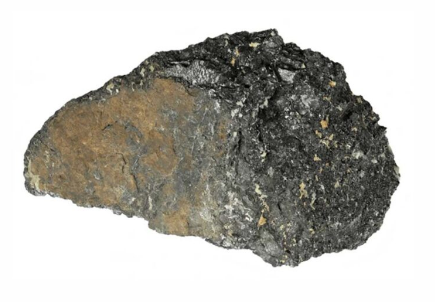
First discovered in Muslimbagh, Balochistan, in 1903, chromite has remained a key mineral in Pakistan’s economy. Today, around 20,000 tons of chromite are produced annually, with 500 million tonnes of reserves spread across Muslimbagh, Pishin, Kila Saifullah, Lasbela, Khuzdar, and Zhob.
- 95% of chromite in Pakistan is used for metallurgy.
- Chromite plays a vital role in stainless steel and superalloy production.
Learn About Global Chromite Market Trends
🌱 Coal: Powering Pakistan’s Industrial Growth in Balochistan
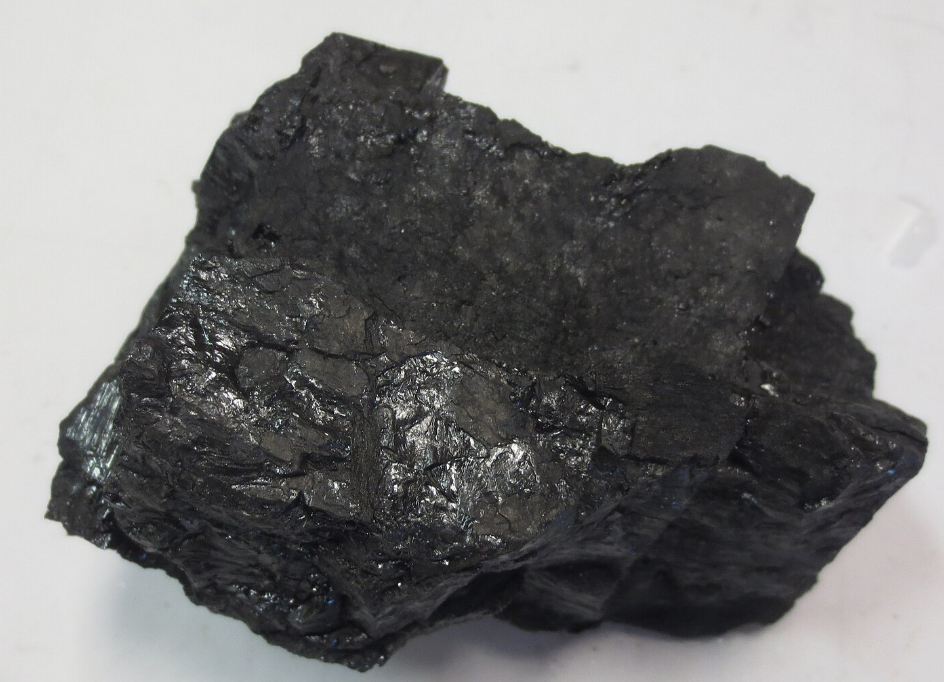
Balochistan has an estimated 1 billion tons of coal reserves spread across five developed coalfields:
- Mach
- Shahrag
- Duki
- Chamalang
- Quetta
With sub-bituminous to bituminous coal, Balochistan’s reserves are ideal for furnace combustion, industrial use, and power generation.
Read More on Coal’s Role in Energy Production
⚙ Iron Ore: The Key to Pakistan’s Industrial Future in Balochistan
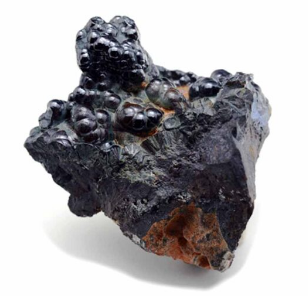
Iron ore is one of the most crucial minerals in modern infrastructure development. Globally, 98% of iron ore is used for steel production, making it a valuable asset for industrial growth.
- Balochistan’s iron ore reserves have varying grades.
- It is used in steel production, ferrochrome, and automotive manufacturing.
Explore How Iron Ore Impacts Global Markets
🏆 Conclusion: The Future of Pakistan’s Mineral Sector
Pakistan’s mineral wealth holds immense potential for economic growth and foreign investment. With Balochistan leading the charge, the country stands to benefit from the commercial exploitation of minerals like marble, chromite, coal, and iron ore. By fostering a sustainable mining industry, Pakistan can position itself as a global supplier of high-quality minerals.
🔗 External Links & Further Reading:
Pakistan Mineral Development Corporation
Government Policies on Mineral Exploration
For further insights, keep visiting blogy365.com
Leave a Comment