


🌟 Early Life and Education
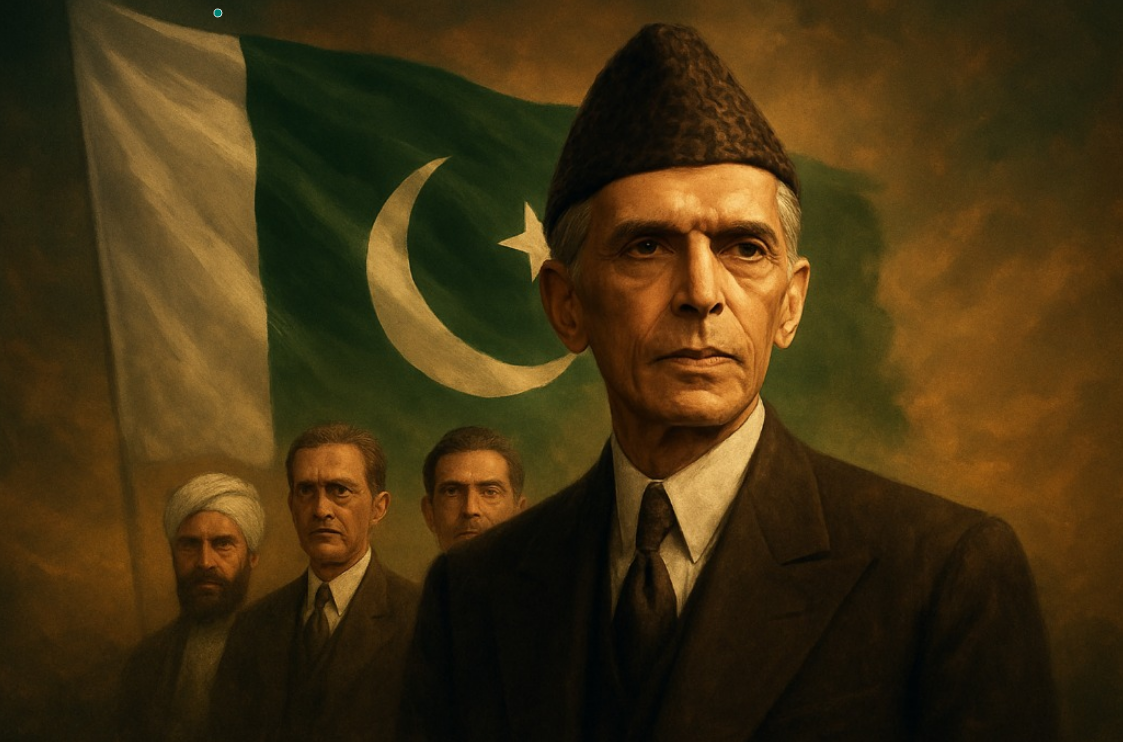
Muhammad Ali Jinnah was born on 25th December 1876 in Karachi, which was then part of British India. From the beginning, Jinnah showed brilliance and determination. He went to London to study law at Lincoln’s Inn, where he became one of the youngest Indians to qualify as a barrister.
⚖️ Rise as a Lawyer and Politician
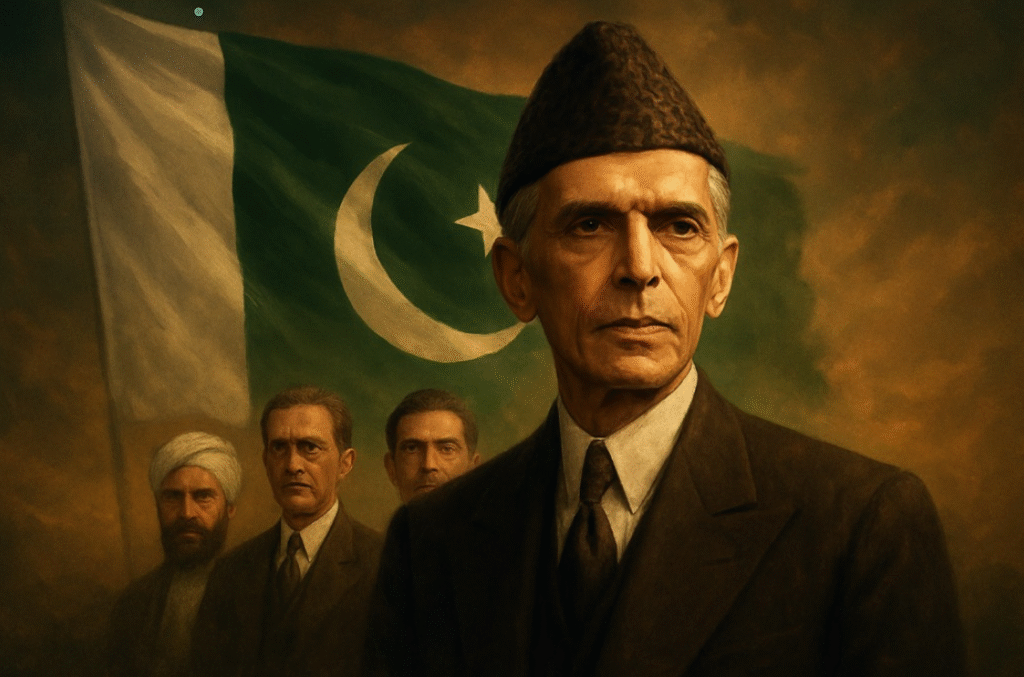
Jinnah quickly gained a reputation as one of the finest lawyers in India. His clarity, sharp arguments, and commanding presence made him highly respected in the legal community. But law was only the beginning — his real mission was politics.
At first, Jinnah was a member of the Indian National Congress. He strongly believed in Hindu-Muslim unity and worked to bring communities together. However, over time he realized that Muslims needed their own political voice to safeguard their rights.
🏛️ Founding the Muslim League
Jinnah’s turning point came when he joined the All-India Muslim League. Under his leadership, the League transformed into a powerful political force that demanded a separate homeland for Muslims.
The famous Lahore Resolution of 1940 laid the foundation of Pakistan, and Jinnah’s leadership turned that vision into reality.
Detailed Lahore Resolution history

🗣️ The Power of His Vision
Jinnah’s speeches inspired millions. He often repeated the importance of unity, faith, and discipline. His vision was not just about creating a new country but about building a nation where people of all religions could live in harmony.
One of his most powerful statements was on 11th August 1947, when he told Pakistan’s Constituent Assembly:
“You are free; you are free to go to your temples, you are free to go to your mosques or to any other place of worship… you may belong to any religion or caste or creed — that has nothing to do with the business of the state.”
Legacy of the Quaid
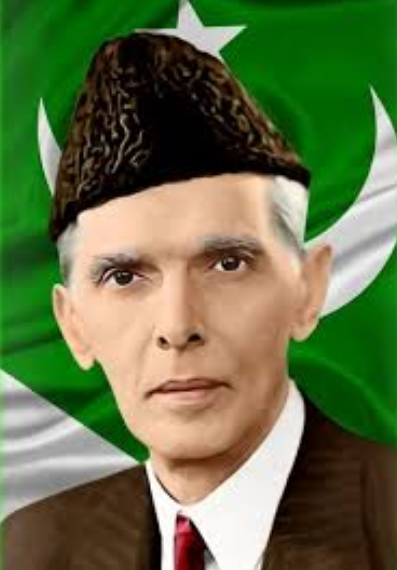
On 14th August 1947, Pakistan was born, and Muhammad Ali Jinnah became its first Governor-General. Unfortunately, his health was failing, and he passed away on 11th September 1948, just a year after independence.
Even today, Jinnah remains the undisputed Father of the Nation. His discipline, determination, and vision continue to inspire Pakistanis worldwide.
🔗 Why Jinnah Still Matters
In a world where leadership is often about power and politics, Jinnah stands as a symbol of principled leadership. His life teaches us that clarity of purpose, integrity, and resilience can move mountains.
For more insights into leadership and nation-building, check this Harvard Business Review article on visionary leaders.
📌 Conclusion
Muhammad Ali Jinnah’s story is not just Pakistan’s story — it’s a global lesson in determination, vision, and leadership. He turned an idea into a reality and a dream into a nation.
For further insights, keep visiting blogy365.com



Leave a Comment