

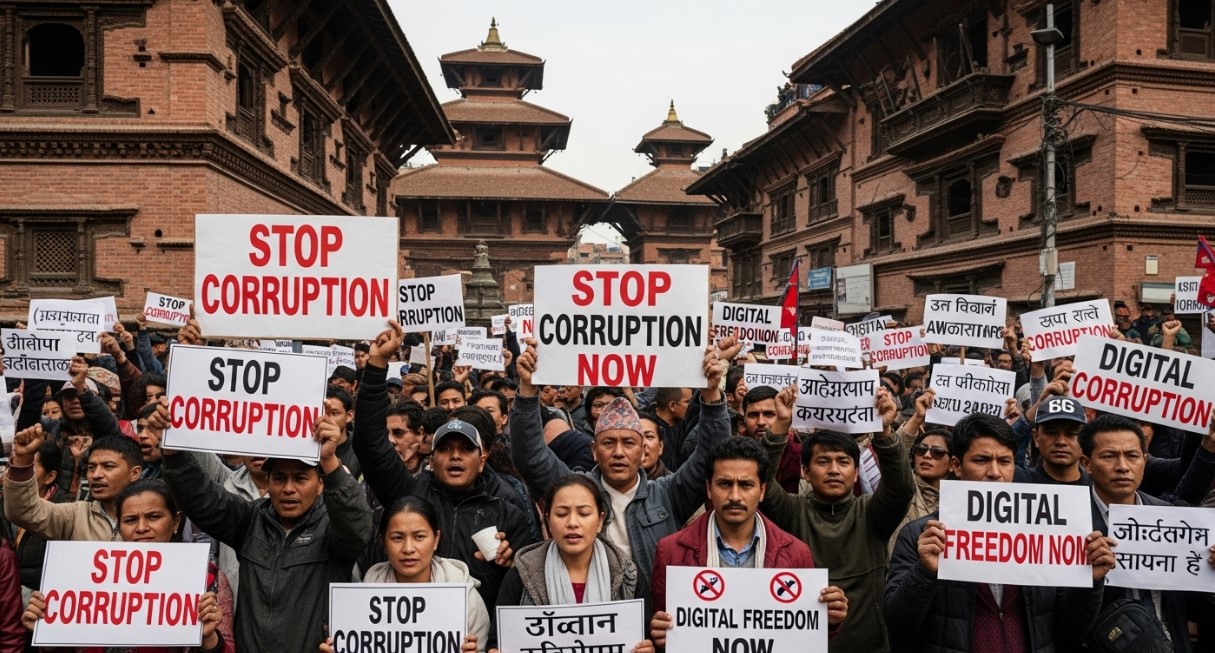

Nepal, a country renowned for its breathtaking mountains and rich cultural heritage, is now facing a storm of political and social unrest. Thousands of citizens have taken to the streets, demanding accountability and freedom. The protests are not only about corruption in governance but also against internet restrictions that threaten freedom of speech and digital rights.
This crisis is more than just a local issue; it serves as a warning to other countries.
🔥 Streets on Fire: Citizens Demand Accountability
For months, Nepalese citizens have expressed frustration over deep-rooted corruption in government institutions. Mismanagement of public funds, scandals in infrastructure projects, and political favoritism have eroded trust in leaders.
The Transparency International Corruption Index has repeatedly flagged South Asian nations, including Nepal, as high-risk countries for corruption. The protests are a direct reaction to this long-standing failure of governance.
🌐 Internet Restrictions Spark Public Anger

Adding fuel to the fire, the government’s attempts to restrict internet access have triggered massive outrage. For young people, students, and professionals, the internet is not just entertainment; it’s education, work, and freedom of expression.
By shutting down or slowing access to platforms, authorities are seen as silencing criticism. This echoes events in other countries where internet blackouts were used during protests, such as India, Iran, and Myanmar.
⚖️ A Global Pattern of Control
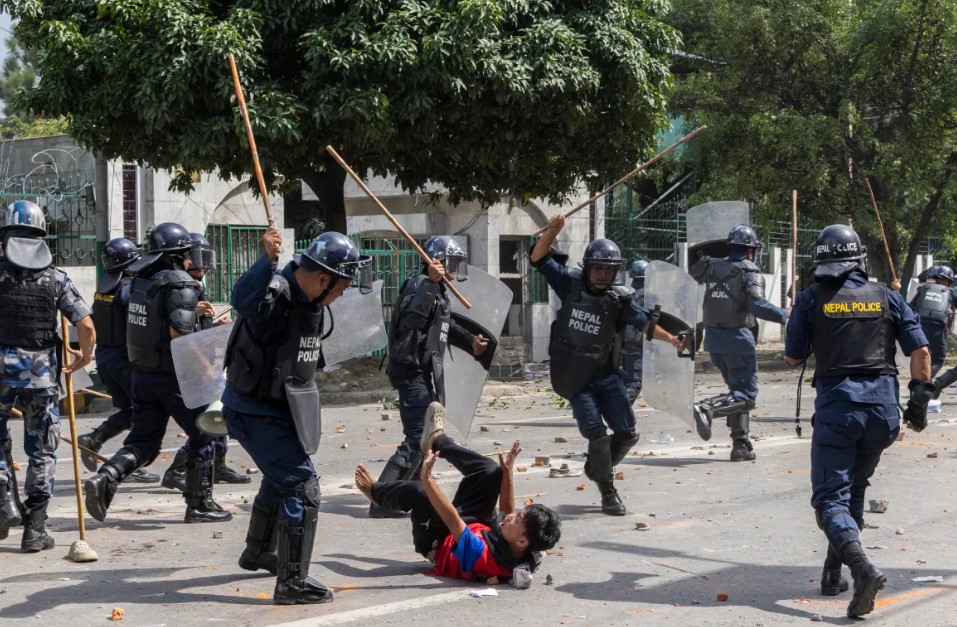
Nepal is not alone. Across the world, governments facing public anger often resort to two strategies:
- Crackdowns on dissent – Arresting protesters, silencing activists.
- Control of information – Blocking media, restricting the internet, and spreading propaganda.
But here’s the truth: these strategies never solve the root problem. Instead, they fuel more anger and erode international credibility.
🌍 Lessons for Other Countries ✍️
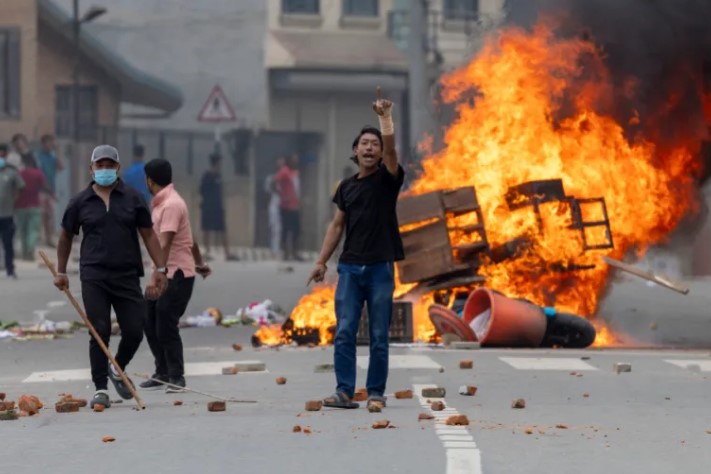
Nepal’s crisis offers a critical lesson:
- Corruption destroys trust faster than anything else.
- Digital freedom is non-negotiable in today’s world.
- Youth movements matter — they are often the first to rise against injustice.
- Transparency and accountability are the only long-term solutions.
Governments that ignore these lessons risk facing the same protests sooner or later.
🔑 Bottom Line
Nepal’s protests are not just about today’s crisis. They are a symbol of resistance against corruption and digital control. For other countries, this should be a wake-up call: governance must be transparent, the internet must remain free, and the people’s voice cannot be silenced.
If leaders ignore this message, the same streets that tourists admire for festivals and culture may one day fill with angry citizens demanding change.
For further insights, keep visiting blogy365.com


Leave a Comment