


🔍 What’s the Deal?
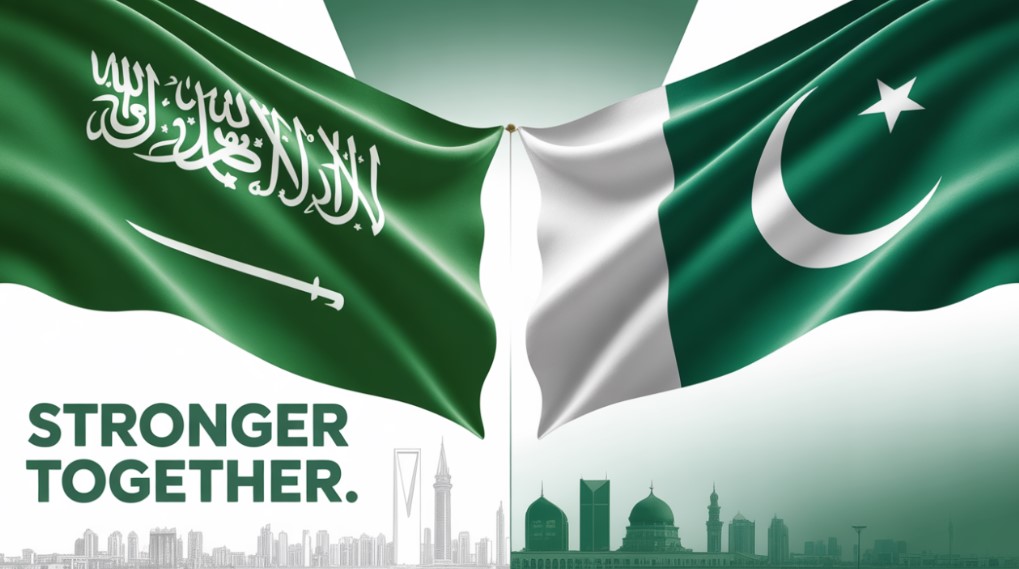
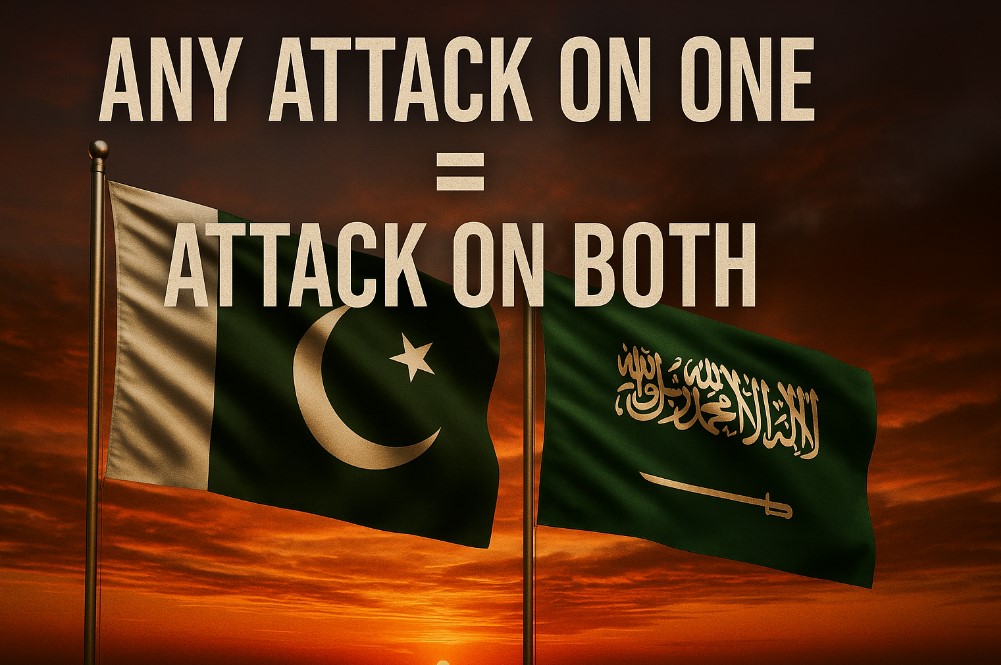
Pakistan and Saudi Arabia’s alliance have just inked a Strategic Mutual Defence Agreement. The core clause is bold: any aggression against one country will be considered aggression against both. Al Jazeera+3Reuters+3AP News+3
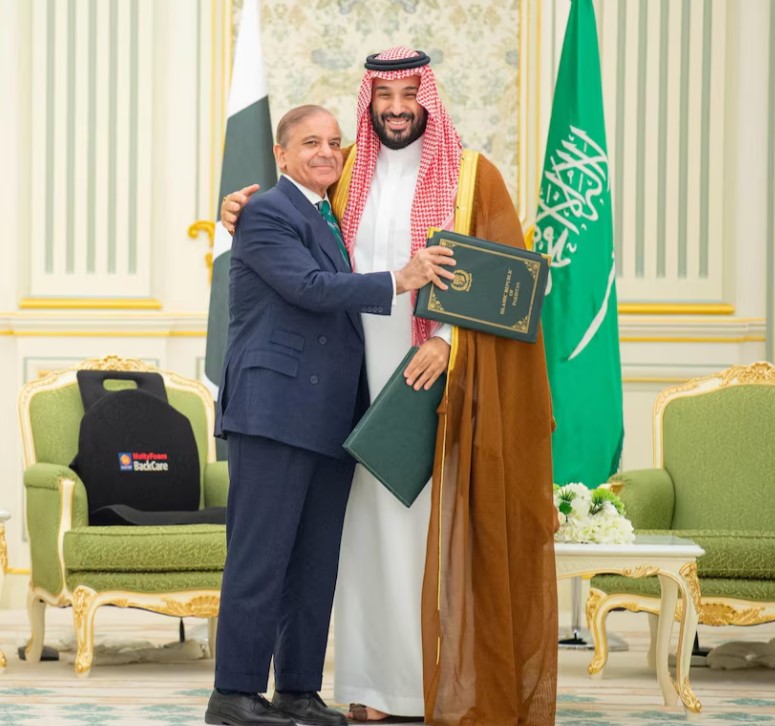
Signed on 17 September 2025 in Riyadh, between Prime Minister Shehbaz Sharif and Crown Prince Mohammed bin Salman, the pact seeks to deepen defence cooperation and strengthen joint deterrence to outside threats. Al Jazeera+3Reuters+3The Guardian+3
🌍 Why Now? What’s Driving This Move of Alliance
Here’s what matters:
- Regional Tensions Rising: The agreement follows rising unease after Israel’s airstrike in Doha, targeting Hamas political figures. Many Gulf states are reconsidering how secure their alliances are, especially their dependency on external security guarantees. AP News+2Al Jazeera+2
- Trust Issues with Traditional Allies: Some Gulf countries question how dependable the US has been in recent diplomatic and military developments. This deal signals that Saudi Arabia is diversifying its partnerships. Financial Times+1
- Formalising Long-Standing Ties: Pakistan and Saudi Arabia have had decades of cooperation, informal defence ties, and mutual visits. This pact gives structure and clarity to what was, in many ways, implicit. Al Jazeera+2Reuters+2
🛡️ Key Obligations & Implications of Alliance
- The central clause: “any aggression against either country shall be considered aggression against both.” Reuters+2AP News+2
- Enhanced military cooperation: sharing intelligence, coordinating defence strategies, maybe joint exercises. Reuters+1
- Potential nuclear dimension: Pakistan is nuclear-armed, so analysts are watching closely whether that capability might play a deterrent role under this pact. So far, though, there’s no official confirmation that nuclear sharing is part of the deal. AP News+1
🌐 How India & Other Neighbours Are Reacting to Alliance
- India has responded with caution, saying it will assess how this affects its national security and regional stability. www.ndtv.com+1
- Saudi Arabia has already emphasised that its relationship with India remains strong. The pact is being portrayed by some Saudi officials as not directed against any specific country. India Today+2Al Jazeera+2
⚠️ Strategic Risks & Uncertainties
- Over-commitment: Mutual defence commitments can drag countries into conflicts they might prefer to avoid. What happens in a scenario involving the India-Pakistan conflict or attacks from non-state actors?
- Ambiguity: The pact doesn’t define what counts as aggression, which threats qualify, or what military response is expected. That gives flexibility — but also risk.
- Diplomatic Balancing Act: While Saudi Arabia wants to strengthen its relationship with Pakistan, it must also manage its trade, diplomatic, and strategic ties with India, the US, and others.
- Regional Arms Dynamics: This pact may trigger reactions from other regional actors feeling insecurity, possibly accelerating arms acquisition or forging counter-alliances.
🔮 What This Means Long Term
Here’s what to watch:
- Military Integration: Will there be joint defence exercises, shared intelligence, or even co-production of military hardware?
- Influence in the Middle East: Saudi Arabia, already a key player, may deepen its role in regional security architecture, especially in the Gulf and among Muslim nations.
- Strategic Messaging: Sending signals to Iran, Israel, or other regional powers that Saudi Arabia is not isolated.
🎯 Bottom Line
This defence pact between Pakistan and Saudi Arabia is more than formal diplomacy. It is a strategic recalibration. It reflects shifting alliances, doubts over existing guarantees, and a desire for explicit collective security mechanisms. Whether it holds firm under pressure or becomes symbolic depends on how clearly its terms are tested, politically, militarily, and diplomatically.
For further insights, keep visiting blogy365.com


Leave a Comment