

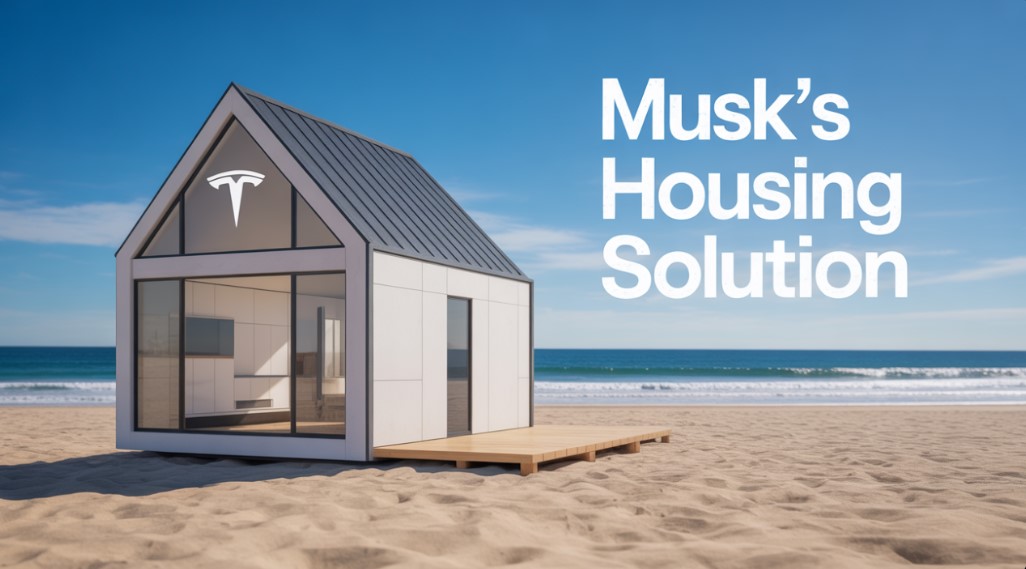

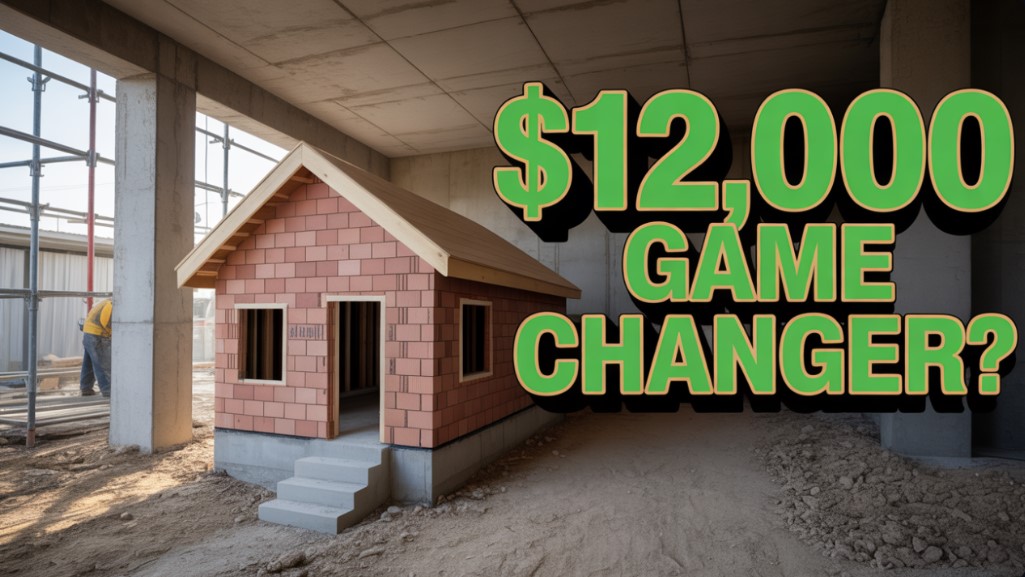
When Elon Musk makes a move, the world pays attention. From electric cars to reusable rockets, his vision has consistently pushed the boundaries of technology and reshaped entire industries. Now, Musk has dropped a new bombshell: Tesla will launch a $12,000 sustainable home in 2025.
This isn’t just another real estate project. It’s a disruptive innovation that could redefine how we think about housing, affordability, and sustainable living. Let’s unpack why this matters, what’s unique about it, and how it could reshape the global housing market.
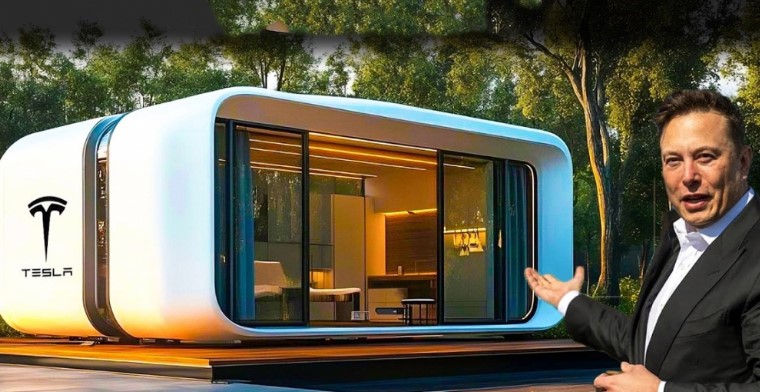
🏡 Why a Tesla House?
Tesla has already proven its ability to transform industries, cars, energy storage, and even space travel. But housing? That may feel unexpected. Still, if you connect the dots, it makes sense.
- Tesla Energy already builds solar panels and home batteries (Powerwall).
- Sustainability is a core mission of Musk’s empire.
- Housing affordability is a global crisis, especially for younger generations.
By combining modular construction, solar energy integration, and affordable design, Tesla’s $12,000 home could become the entry point for millions into sustainable living.
For context, the average U.S. home price in 2025 is over $400,000 (source). In developing countries, urban housing is becoming unreachable for middle-class families. Against this backdrop, Musk’s idea isn’t just bold, it’s revolutionary.
💡 What Makes the Tesla $12,000 House Different?
The Tesla home isn’t your typical concrete structure. Reports suggest it will be compact, modular, and built with sustainable materials. Here’s what we know so far:
- Affordable Price Tag – At $12,000, the Tesla house costs less than a mid-range car.
- Energy Self-Sufficiency – Integrated with Tesla’s solar roof and Powerwall for off-grid living.
- Modular Design – Easy to transport, assemble, and expand over time.
- Eco-Friendly Materials – Built with sustainable, lightweight construction methods.
- Smart Technology Integration – Expect Tesla-style automation, energy monitoring, and AI-driven efficiency.
In short, it’s not just a house. It’s a tech product designed for living.
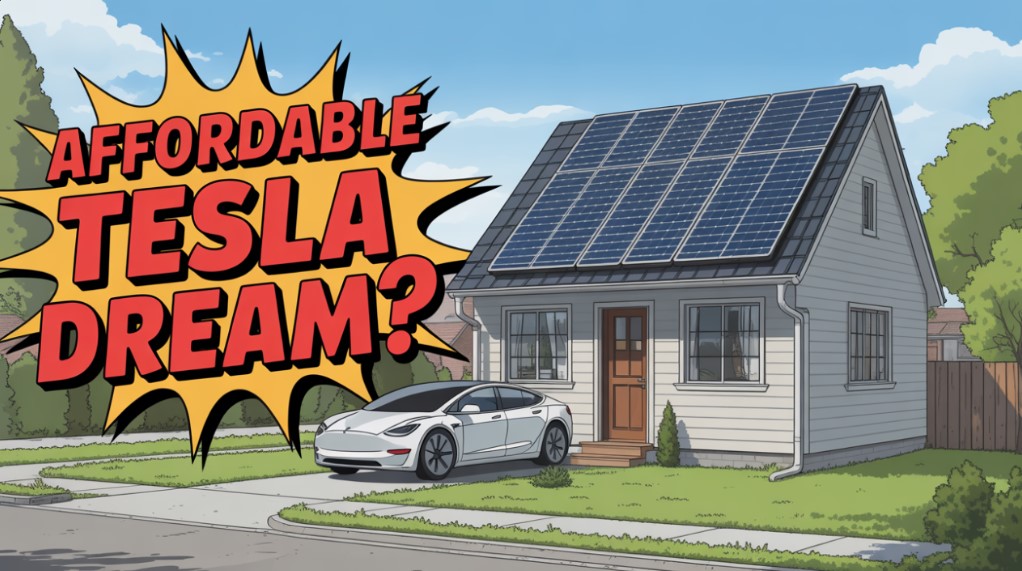
🌍 The Global Housing Crisis and Why Tesla’s Move Matters
Around the world, millions struggle to afford homes. Rising construction costs, population growth, and urban migration have worsened the crisis. For example:
- In the U.S., nearly 50% of renters spend over 30% of their income on housing (Pew Research).
- In countries like Pakistan, India, and Nigeria, urban housing shortages run into the millions.
- Climate change is displacing communities, making portable and affordable housing critical.
Tesla’s $12,000 home directly addresses these pain points. If successful, it could democratize access to shelter the way Model 3 democratized electric cars.
🔋 Sustainability at Its Core of Tesla House
What sets the Tesla home apart is its deep commitment to green living. Each unit is expected to be:
- Solar-powered with Tesla’s photovoltaic technology.
- Equipped with Powerwall batteries for energy storage.
- Designed for a minimal carbon footprint during manufacturing.
- Built with a focus on water and waste efficiency.
This isn’t just about affordability—it’s about reducing humanity’s environmental footprint. Imagine entire communities powered by renewable energy, independent of fragile power grids. That’s Musk’s vision.
🛠️ How Will Tesla Keep the Cost at $12,000?
Skeptics are already asking: How can a house cost just $12,000? Here’s how Tesla might make it work:
- Mass Production – Just like cars, economies of scale will bring costs down.
- Prefabrication – Factory-built modules shipped worldwide.
- Minimalist Design – Compact, efficient layouts without luxury extras.
- Direct-to-Consumer Sales – Eliminating middlemen in real estate.
- Sustainable Materials – Using innovative composites instead of expensive concrete and steel.
Think of it as a house-as-a-gadget, mass-produced like an iPhone.
🏗️ What Living in a Tesla House Might Look Like
The Tesla home is expected to be small but smart. Early prototypes suggest a space-efficient design, around 375 square feet, that includes:
- A compact living area
- A small kitchen
- A bathroom with modern fittings
- A bedroom/loft space
Tesla could also introduce expandable modules, allowing families to add rooms as needed. For young professionals, students, retirees, or climate migrants, this is a game-changer.
📈 Potential Impact on Real Estate and Society
The ripple effects of Tesla’s housing project could be massive:
- Affordable Housing Revolution – Making home ownership possible for millions.
- Urban Planning Disruption – Governments may adopt Tesla homes for low-income housing.
- Climate Action – Lower emissions from housing could contribute to global net-zero goals.
- New Communities – Entire “Tesla Villages” powered by solar energy could emerge.
If Tesla executes this vision, it could become as influential in housing as it has been in transport.
🧩 Challenges Ahead
Of course, there are hurdles:
- Regulatory Approvals – Zoning laws may not adapt quickly to modular homes.
- Durability Questions – Will lightweight materials withstand decades of wear?
- Scalability – Can Tesla truly mass-produce housing at a global scale?
- Market Resistance – Traditional construction industries may push back.
But remember, people doubted Tesla cars, too. Today, it’s one of the world’s most valuable automakers.
🔮 The Future: A Tesla House in Every Neighborhood?
By 2030, it’s not hard to imagine Tesla homes becoming mainstream. They might first attract early adopters, tech enthusiasts, minimalists, and eco-conscious buyers. But as costs drop and acceptance grows, they could reach the mass market.
Pair this with Tesla’s solar roofs, batteries, and even Starlink internet, and you’ve got a complete ecosystem for off-grid living.
In other words, Musk isn’t just selling a house. He’s selling a new way of life.
📢 Final Thoughts
Elon Musk has a track record of turning crazy ideas into billion-dollar industries. The Tesla $12,000 house in 2025 might sound too good to be true—but so did electric cars once.
If Musk succeeds, this project won’t just give people affordable homes. It could reshape cities, economies, and even our relationship with the planet.
Bottom line: The world of housing may never be the same again.
🔗 Backlinks & Resources
- Tesla Official Website
- Zillow Housing Market Research
- Pew Research on Housing Affordability
- SpaceX Projects
For further insights, keep visiting blogy365.com



Leave a Comment