

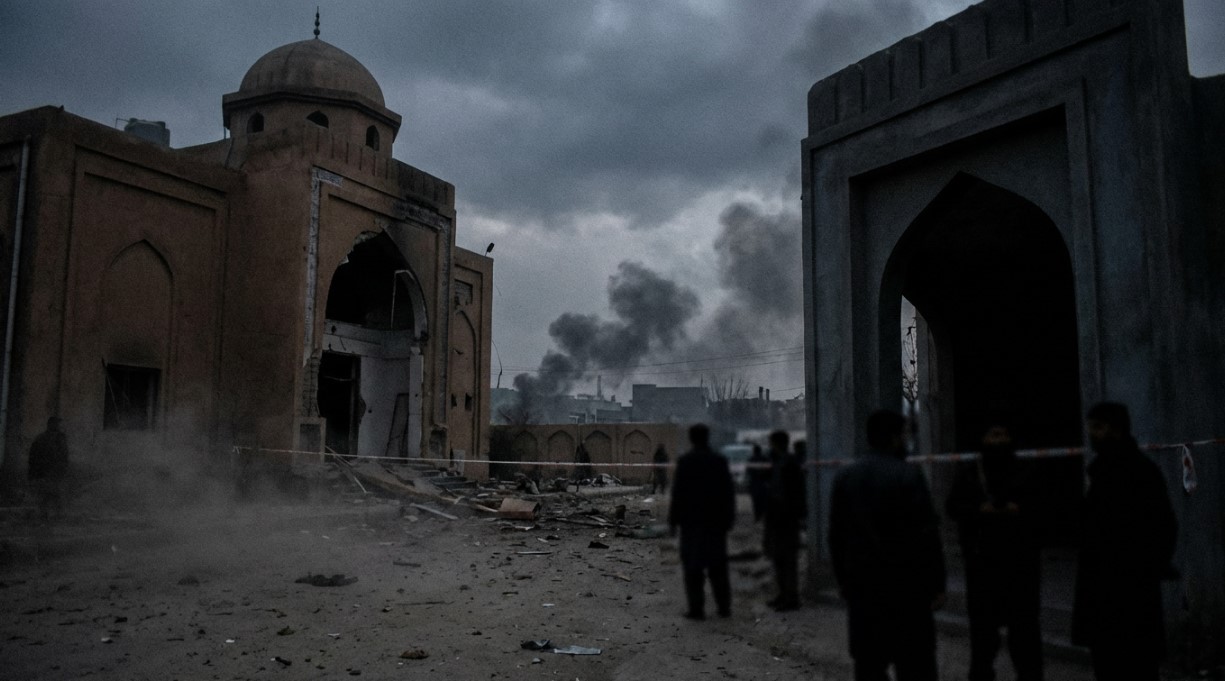

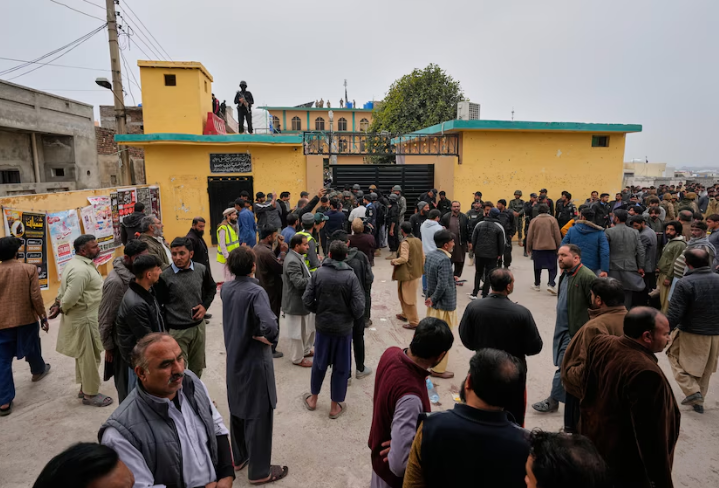
Islamabad witnessed one of its darkest days as a suicide bombing during Friday prayers at an imambargah in Tarlai left at least 31people dead and more than 100 injured, according to police and district authorities.
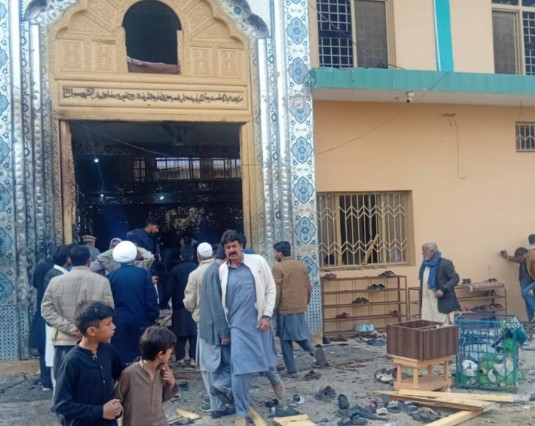
The attack targeted Imambargah Khadijat ul Kubra at a time when worshippers had gathered for prayers. What should have been a peaceful congregation turned into a scene of chaos, sirens, and grief within minutes.
Here is what we know so far.
🚨 How the Attack Occurred in Tarlai
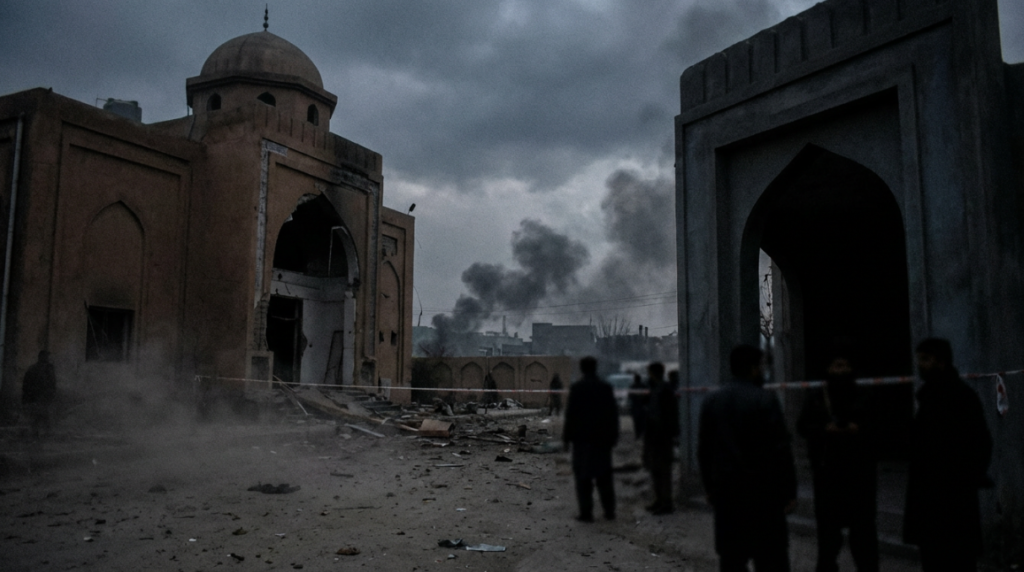
According to a police statement, the suspected suicide bomber attempted to enter the imambargah premises during Friday prayers. Security personnel stationed at the entrance reportedly stopped the individual before he could move inside.
At that moment, officials say, the attacker detonated the explosives at the entrance.
The blast was powerful enough to cause extensive casualties at the gate area, where worshippers were entering and exiting. Authorities immediately cordoned off the area and launched an investigation.
For verified updates on Pakistan security developments, readers can follow trusted sources such as
Dawn News https://www.dawn.com
BBC News South Asia https://www.bbc.com/news/world/asia
Al Jazeera Asia https://www.aljazeera.com/asia
In incidents like this, confirmed reporting matters more than speed.
🏥 Emergency Declared Across Islamabad Hospitals
Islamabad Deputy Commissioner Irfan Nawaz Memon confirmed that 15 victims were brought dead to multiple hospitals, while more than 80 injured individuals were receiving treatment.
An emergency was declared at major government hospitals, including
Pakistan Institute of Medical Sciences PIMS
Polyclinic Hospital
Capital Development Authority Hospital
Assistant commissioners were deployed to oversee medical coordination and ensure the wounded received immediate attention.
The PIMS administration reported that 11 bodies and 60 injured were initially shifted there. The hospital soon reached capacity due to the scale of casualties. Several injured patients were later transferred to facilities in Islamabad and Rawalpindi to manage the pressure on medical resources.
Healthcare response during mass casualty incidents is critical. The World Health Organization provides guidance on emergency medical coordination during crises https://www.who.int/emergencies
🧠 Why Attacks on Religious Sites Carry Deeper Consequences
Let me explain something important.
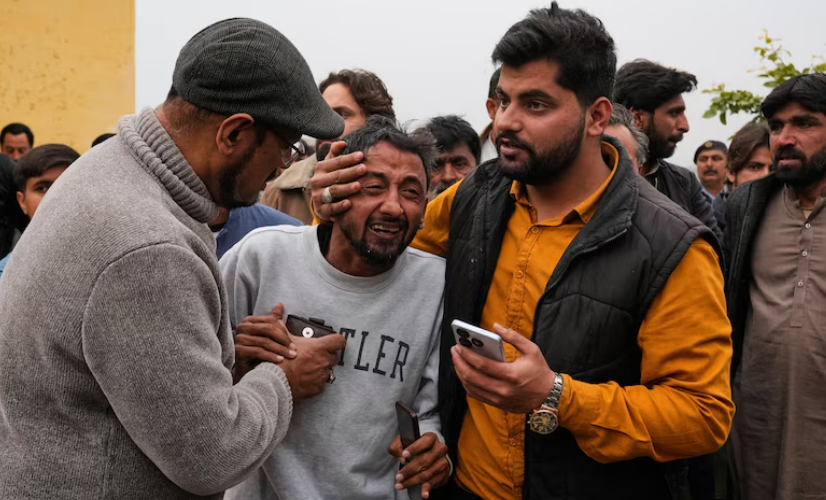
An attack on an imambargah during Friday prayers is not just an act of violence. It is an attempt to fracture social cohesion.
Religious sites are symbolic. They represent faith, identity, and community. Targeting them aims to create fear beyond the immediate victims.
According to research by the Global Terrorism Index https://www.visionofhumanity.org, attacks on places of worship are often intended to inflame sectarian tension and destabilize public confidence.
The psychological impact can be far wider than the physical damage.
🤝 Community Response and National Solidarity
Moments like this test a nation’s maturity.
When violence targets a place of worship, the response must not be division. It must be unity. Community leaders, scholars, and public officials play a critical role in preventing inflammatory narratives.
Islamabad is not just the federal capital. It represents the political and symbolic heart of the country. The way citizens respond will shape the broader national mood.
📌 What Happens Next
Authorities are expected to release further updates regarding
Identification of the attacker
Forensic findings
Security assessments
Official investigation outcomes
Until formal conclusions are shared, responsible reporting and measured public discourse remain essential.
Tragedies demand clarity, not speculation.
It’s time for unity
For further insights, keep visiting blogy365.com

Leave a Comment