

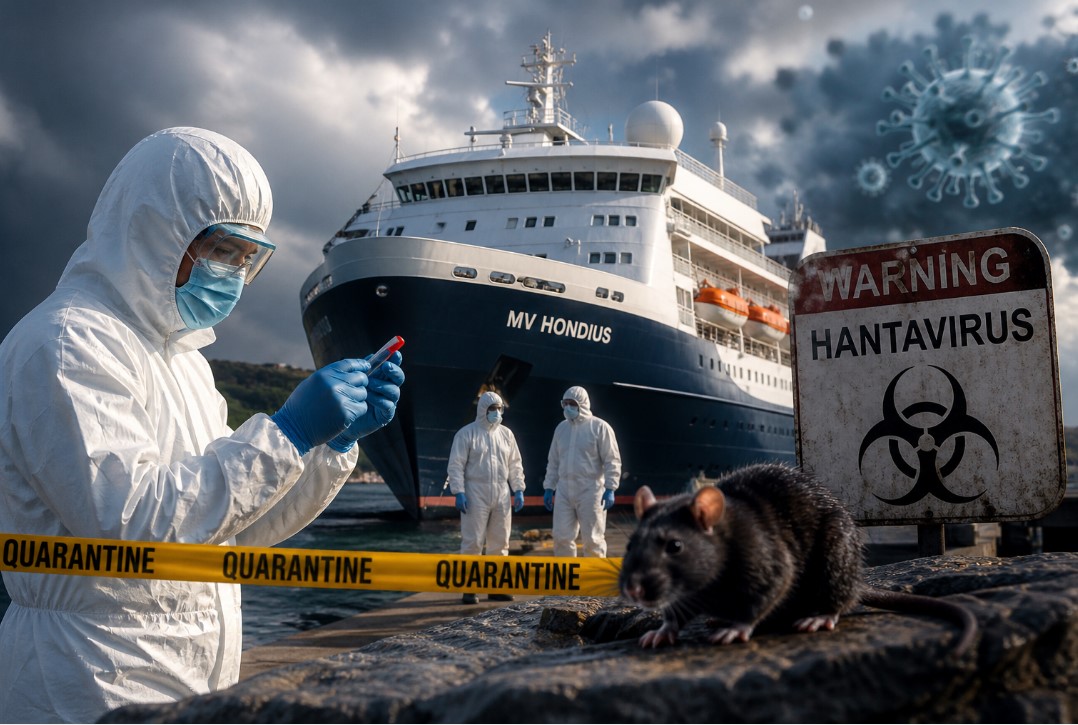

Three passengers board a luxury expedition. Days later, three are dead.
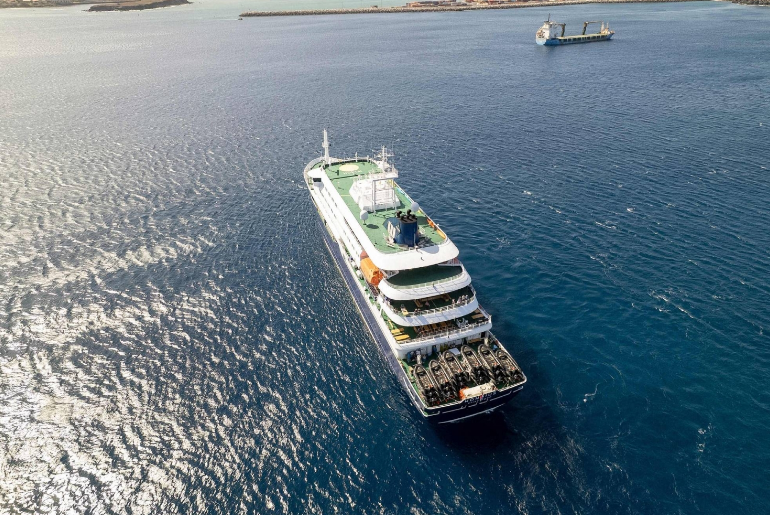
That is not a movie plot. It is what unfolded aboard the MV Hondius, a Netherlands-based cruise ship, now linked to a suspected hantavirus outbreak.
Here is what actually matters, without the noise.
🦠 What Is Hantavirus and Why Is It So Dangerous
Hantavirus is not new. It has been quietly circulating for decades.
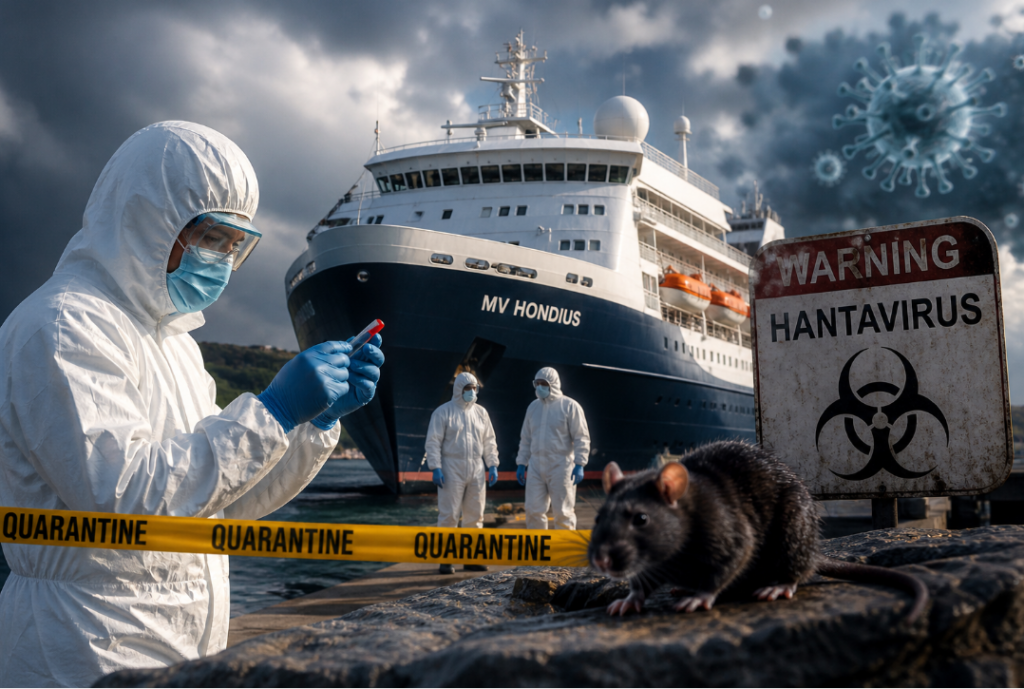
First identified near South Korea’s Hantan River in the 1970s, it belongs to a family of viruses that can trigger two severe illnesses. One attacks the lungs. The other targets the kidneys.
The lung-related version, known as Hantavirus Pulmonary Syndrome, is the real threat. It carries a fatality rate that can reach around 40 percent.
This is not hype. This is a virus that can turn deadly fast.
👉 Learn more from the World Health Organization
https://www.who.int/news-room/fact-sheets/detail/hantavirus
🐀 How Hantavirus Spreads: The Real Source Most People Miss
Here is the part most people underestimate.
Hantavirus is primarily spread by rodents.
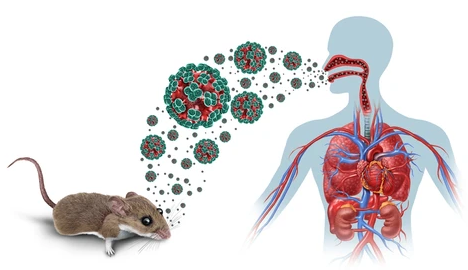
Not bites. Not direct contact.
It spreads when virus particles from rodent urine, droppings, or saliva become airborne. Something as simple as sweeping a dusty corner can release infectious particles into the air.
In rare cases, human-to-human transmission has been documented, but it is extremely uncommon.
👉 Detailed transmission insights from CDC
https://www.cdc.gov/hantavirus/
⚠️ The Cruise Ship Incident: What We Know So Far about Hantavirus
The MV Hondius incident has triggered global attention for a reason.
Three passengers have died. Three more are seriously ill.
While investigations continue, early reports suggest a hantavirus exposure likely linked to contaminated environments where rodents had been present.
Closed spaces. Shared ventilation. Delayed detection.
That combination can turn a contained risk into a crisis.
🤒 Symptoms of Hantavirus: Why It Is Often Misdiagnosed
This virus does not announce itself clearly.
It starts like the flu.
Fatigue
Fever
Muscle aches
Then things escalate.
Within days, patients can develop coughing, severe shortness of breath, and fluid buildup in the lungs.
Here is the problem. Early diagnosis is difficult, especially in the first 72 hours. Many cases are initially dismissed as common viral infections.
That delay can cost lives.
💀 Fatal Cases That Prove This Is Not Rare Hype
This is not just a cruise ship story.
In 2025, Betsy Arakawa, the wife of actor Gene Hackman, died from hantavirus pulmonary syndrome in New Mexico.
Globally, around 200 cases of hantavirus pulmonary illness are reported annually, but the mortality rate keeps it on the radar of top health agencies.
👉 Medical insights from The Lancet
https://www.thelancet.com/
🏥 Treatment of Hantavirus: The Hard Truth
There is no specific cure.
No antiviral shortcut. No magic injection.
Treatment focuses on supportive care.
Oxygen therapy
Fluid management
In severe cases, ventilator support
The earlier patients receive intensive care, the higher their survival chances.
🛡️ Prevention What Actually Works
This is where control exists.
Avoid rodent exposure. That is the core strategy.
Do not sweep or vacuum dry droppings
Use disinfectants instead
Seal entry points in living spaces
Maintain clean, ventilated environments
On ships, in homes, in storage areas. The principle is the same.
Control the environment. You control the risk.
🌍 Why This Story Matters More Than It Seems
Here is the bigger picture.
This outbreak is not just about one cruise ship. It highlights how quickly overlooked environmental risks can escalate in shared spaces.
Air travel. Cruises. Hotels. Warehouses.
Anywhere humans and hidden contamination intersect, the risk exists.
The real takeaway is simple.
Invisible threats do not stay invisible for long.
For further insights, keep visiting blogy365.com



Leave a Comment