

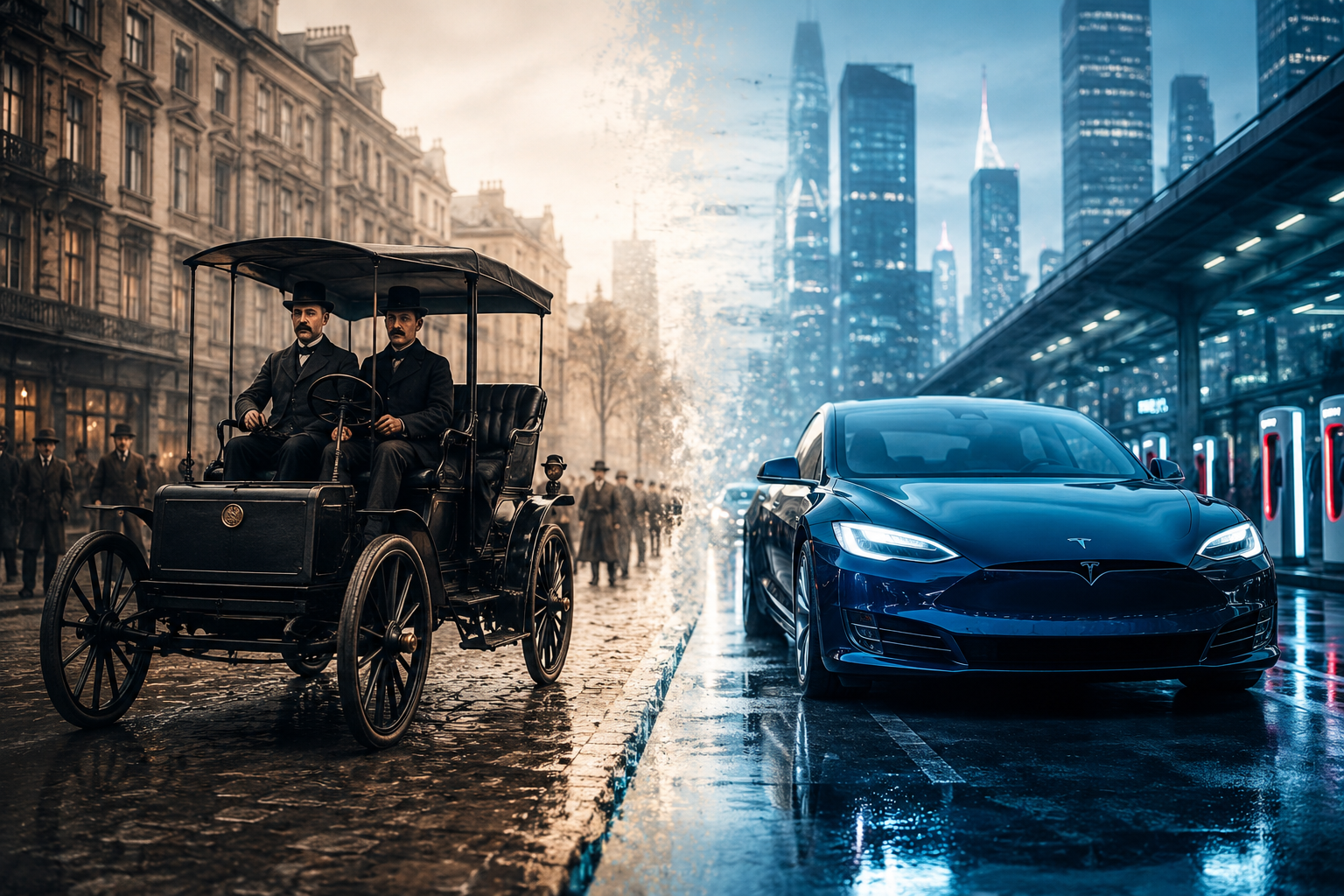

For many people, electric cars seem like a revolutionary invention of the modern age. Every day, we hear about new EV launches, battery breakthroughs, and governments pushing toward a cleaner future. But here is something surprising.
Electric cars are not new at all.
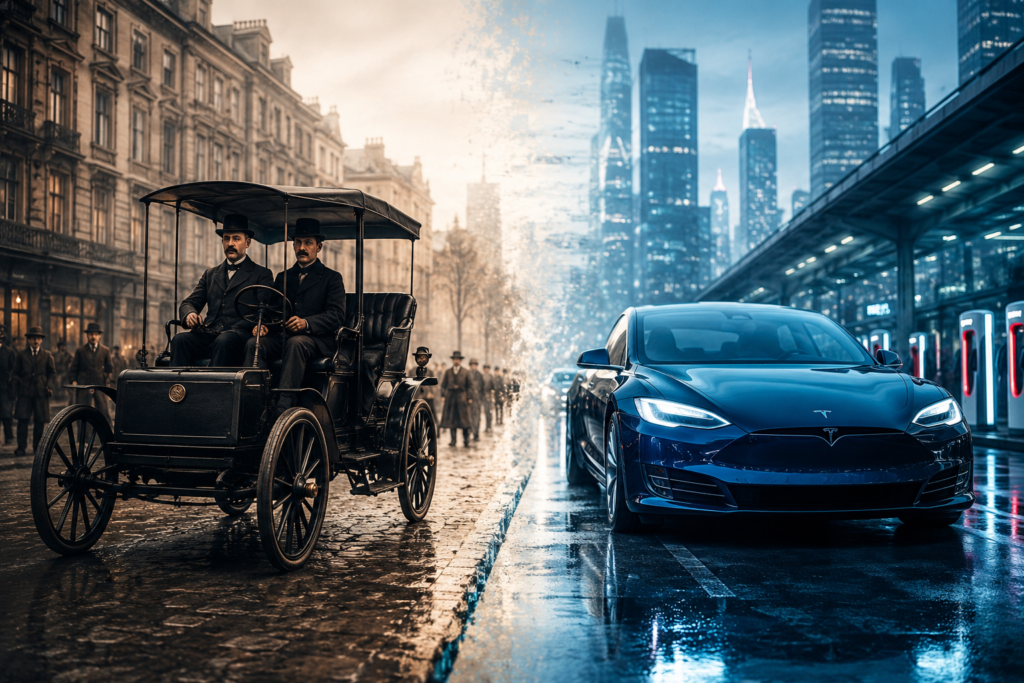
In fact, electric vehicles existed long before many of today’s gasoline-powered cars became dominant. The real question is not why electric cars are arriving now. The bigger question is why a technology that existed more than a century ago disappeared from the mainstream and is only now returning to center stage.
The Electric Car Story Started Long Ago
The history of electric vehicles dates back to the nineteenth century. During the early years of the automobile industry, electric cars were considered practical, quiet, and easy to operate compared to many gasoline-powered alternatives.
At one point, electric vehicles were competing directly with internal combustion engine cars for market share. Many experts believed they could become the future of transportation.
You can learn more about the history of EVs from the official resource provided by the United States Department of Energy:
https://www.energy.gov
Why Did Gasoline Cars Win The First Battle?
Several factors helped gasoline vehicles dominate the automotive industry.
Mass production reduced manufacturing costs.
Fuel infrastructure expanded rapidly.
Gas stations became widely available.
Vehicle range increased significantly.
Refueling took only minutes compared to the long charging times of early electric vehicles.
As a result, gasoline-powered vehicles became the preferred choice for consumers and businesses worldwide.
Read Also: Rise of Electric Cars
The Debate About Powerful Industry Interests For Electric Cars
For decades, many researchers, journalists, and industry observers have debated whether powerful economic interests influenced the direction of transportation technology.
Some believe established fuel industries benefited from maintaining dependence on gasoline-powered vehicles. Others argue that market forces, technology limitations, and consumer preferences were the primary reasons electric vehicles lost momentum.
Regardless of where one stands in this debate, one fact remains clear.
Electric vehicles never truly disappeared.
The technology continued evolving quietly behind the scenes.
Why Electric Cars Are Making A Massive Comeback
Today, the world looks very different.
Battery technology has improved dramatically.
Governments are promoting cleaner transportation.
Consumers are becoming more environmentally conscious.
Automakers are investing billions of dollars into EV development.
Companies such as Tesla, BYD, and Volkswagen are reshaping the future of mobility.
The result is a transportation revolution that is accelerating faster than many experts predicted.
🚀 What Comes After Electric Vehicles?
History teaches us an important lesson.
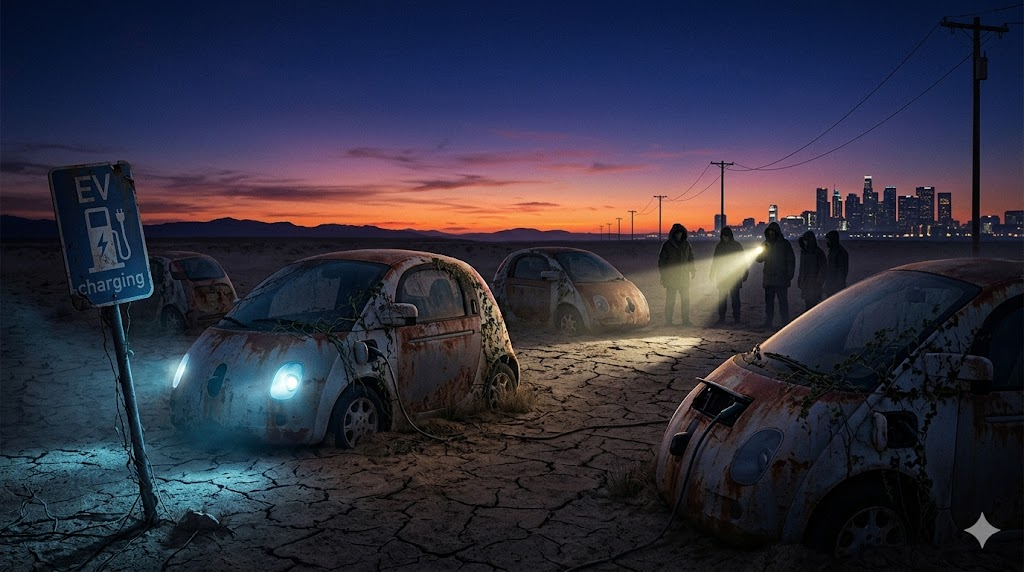
Technology never stands still.
Just as electric vehicles are replacing many traditional transportation models, future innovations could eventually challenge today’s EVs.
Scientists are already exploring hydrogen fuel systems, advanced battery chemistry, autonomous transportation networks, and next-generation energy solutions.
The technology that dominates tomorrow may be something most people have never heard of today.
The Real Lesson Most People Miss
The biggest lesson is not about cars.
It is about innovation.
Many groundbreaking ideas appear before the world is ready for them. Some disappear for decades. Others return when technology, economics, and public demand finally align.
Electric vehicles are a perfect example.
What seems new is often a comeback story waiting for the right moment.
The future belongs to technologies that solve real problems, regardless of how many times they must return before the world accepts them.
For further insights, keep visiting blogy365.com



Leave a Comment