


The hadal zone, the most profound part of the world’s oceans, is often referred to as one of the last frontiers on our planet. Comprising deep trenches, this enigmatic environment remains largely unexplored and mysterious. While our understanding of shallower marine habitats has significantly advanced, the depths of the hadal zone continue to elude comprehensive study. In this blog post, we delve into recent findings and insights into the geology, biology, and environmental dynamics of hadal trenches, revealing the wonders and challenges of this extreme habitat.
🧭 Understanding the Hadal Zone
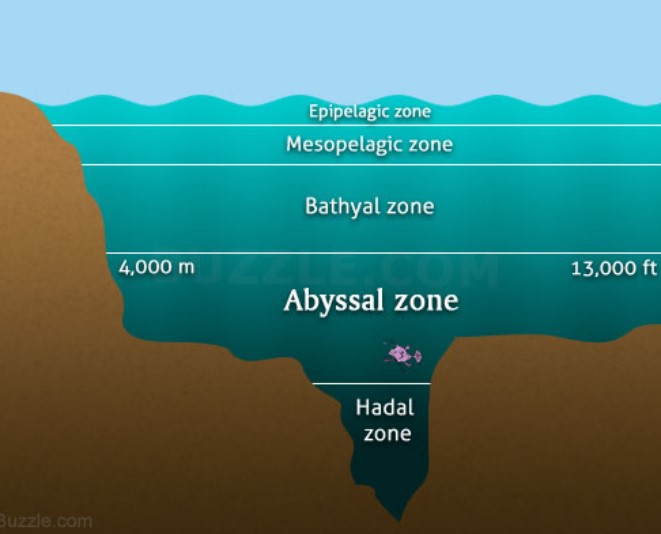
The hadal zone is defined as the oceanic region with depths ranging from 6,000 to 11,000 meters. This area constitutes a mere 1% of the world’s seafloor, yet it plays a crucial role in the Earth’s overall system. Interestingly, while geological features such as hadal troughs exist, the majority of this zone is concentrated in the Earth’s 37 deep-sea trenches, often formed in subduction zones. Here, ancient, cold tectonic plates descend beneath younger, softer ones, creating striking V-shaped depressions. 🌌
📉 Geological Factors at Play
Various geological factors influence the formation and characteristics of hadal trenches. These include sediment flux, the age of incoming lithosphere, convergence rates, and the angles at which oceanic plates subduct. The nine deepest trenches, located predominantly along the western arc of the Pacific Ocean, include the Philippine, Mariana, Tonga, Kermadec, and Kuril-Kamchatka Trenches, each plunging deeper than 10,000 meters. 🌊
🔍 Recent Advances in Hadal Research
Over the last three decades, scientists have intensified efforts to understand the ecology of hadal trenches. However, much of the focus has remained on biological aspects, while geological and environmental processes affecting sedimentary, geochemical, and biological dynamics have not received adequate attention.
📸 Groundbreaking Discoveries with Fendouzhe
For the first time, high-definition images captured by the full-ocean-depth manned submersible Fendouzhe have provided stunning insights into this mysterious realm. These images reveal:
- Novel species with unexpectedly high population densities.
- Outcrops of mantle and basaltic rocks.
- Evidence of anthropogenic pollutants at the ocean’s deepest point.
These discoveries underscore the urgent need to address marine pollution and its impacts on deep-sea ecosystems.
🌍 The Hydration of the Hadal Lithosphere
Recent studies advocate that the hydration of the hadal lithosphere significantly influences various sedimentary, geochemical, and biological processes within hadal trenches. It is suggested that these depths may even host the Earth’s deepest subsurface microbial ecosystems, raising fascinating questions about life in extreme conditions.
🤝 The Future of Hadal Science
Moving forward, future research in human science must prioritize establishing intrinsic links between geology, biology, and environmental factors. Technological advancements, combined with international cooperation, will be crucial in promoting progress in this relatively nascent field. Collaborative efforts could pave the way for deeper exploration and understanding of our oceans.
📚 Additional Resources
- For more about Hadal trenches and their ecosystems, visit Ocean Exploration Trust.
- Explore the significance of marine pollution and its impact on ocean health at World Wildlife Fund & Blogy365.com
Conclusion
The Hadal zone represents not just a frontier of exploration but a vital component of our planet’s health and stability. As we continue to uncover its secrets, it is crucial to balance exploration with conservation, ensuring that our pursuit of knowledge does not come at the expense of these fragile ecosystems. 🌊
Leave a Comment