

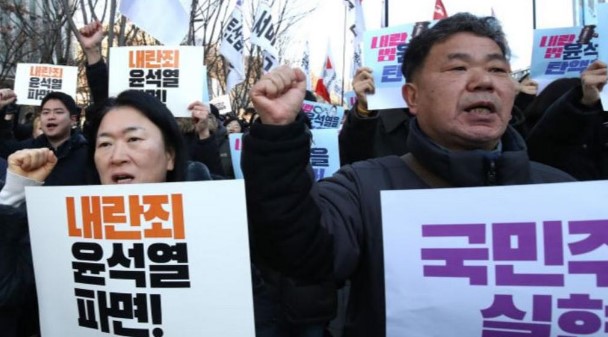

In a dramatic turn of events, President Yoon Suk Yeol’s sudden imposition of martial law shaken South Korea’s financial markets and political stability. Although the situation has since stabilized, it has raised significant questions about the resilience of the nation’s democracy and economy. Here’s what happened and its implications.
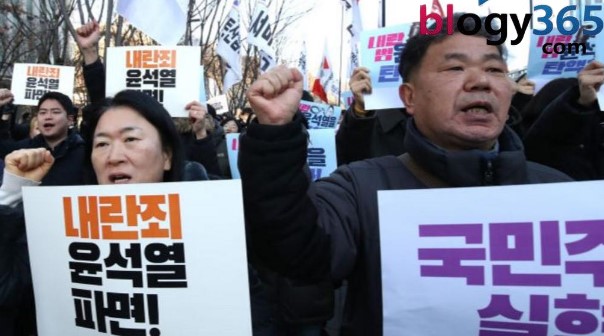
📉 Financial Markets React to Turmoil
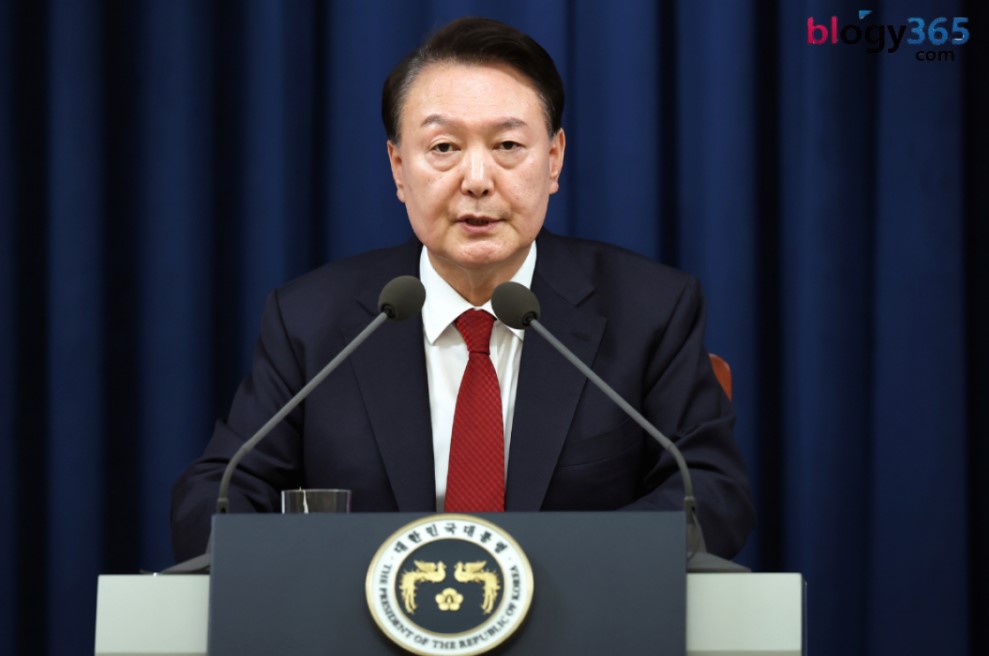
South Korea’s central bank pledged to “keep all options open” to stabilize the country’s financial markets after the declaration of martial law sent shockwaves through its economy.
- Stock Market: The Kospi index initially plummeted but regained some footing, trading 1.8% lower by early afternoon.
- Currency: The Korean won experienced a sharp overnight loss but partially recovered.
- Authorities’ Measures: Authorities vowed to inject “unlimited” cash into the markets to ease concerns.
💡 What Does This Mean? Financial stability is crucial for South Korea, Asia’s fourth-largest economy. However, analysts, including Moody’s Ratings, warn of lasting repercussions. Anushka Shah from Moody’s noted:
“Prolonged political conflict impacting economic activity and causing work stoppages would be credit negative.”
🔗 Explore more on South Korea’s Economic Outlook
⚖️ What Is Martial Law, and Why Was It Declared?
Martial law represents a temporary takeover by military authorities during emergencies when civilian institutions fail to function. It can suspend civil rights and enforce military laws.
President Yoon declared martial law citing threats from North Korea and “anti-state forces.” However, critics argue this drastic measure was driven more by political desperation than actual external threats.
🔍 Historical Context
- Last Declared: 1979, during a coup following the assassination of military dictator Park Chung-hee.
- Current Scenario: The first declaration was made when South Korea transitioned to democracy in 1987.
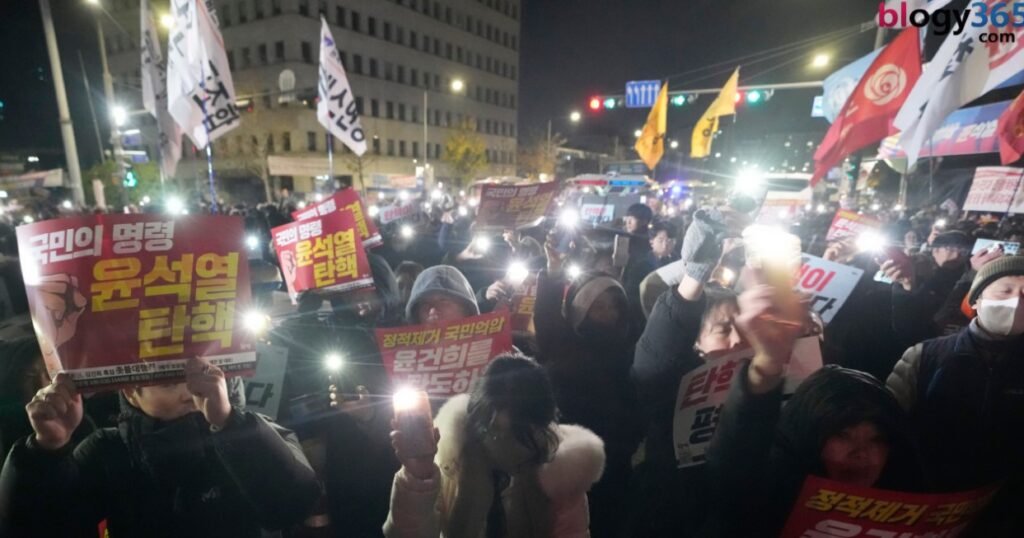
💡 Key Insight: South Korea’s democracy faced its sternest test as lawmakers and citizens mobilized to overturn the decision within hours.
🔗 Learn about South Korea’s History of Martial Law
🏛️ A Nation Rises to Defend Democracy
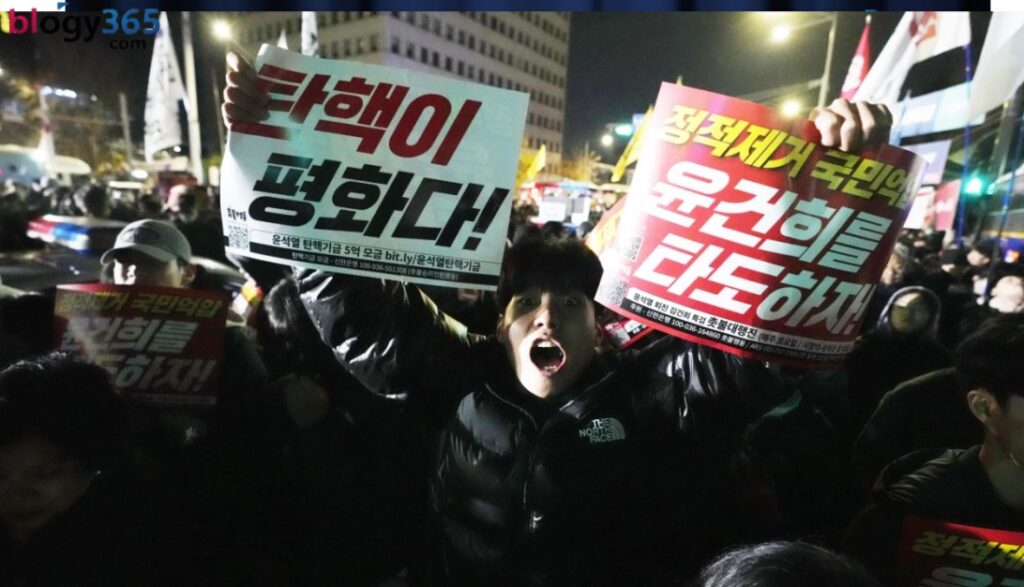
The quick response from South Korea’s National Assembly and the public was pivotal in reversing President Yoon’s declaration.
Former Foreign Minister Kang Kyung-Wha expressed relief and optimism about her country’s resilience:
“Democracy in my country is strong and resilient. Citizens and lawmakers acted swiftly to protect our democratic values.”
This powerful mobilization showcases South Korea’s maturity as a democratic nation, despite unprecedented challenges.
🔗 Read Kang Kyung-wha’s Full Statement Here
🌟 Key Takeaways
- Democracy Over Desperation: The swift rollback of martial law demonstrates the strength of South Korea’s democratic framework.
- Economic Challenges Ahead: Political instability may cast long-term shadows on South Korea’s economic health and credit ratings.
- Citizen Power: Grassroots mobilization and institutional integrity played crucial roles in safeguarding democratic principles.
By staying informed, we celebrate the resilience of democratic institutions and continue questioning the decisions of those in power. 🌏
For more insights on global political developments, follow our blog @ blogy365.com

Leave a Comment