


Introduction:
In recent years, Pakistan’s economic structure has undergone a significant transformation, marked by the dominance of the real estate sector. While the nation has traditionally relied on agriculture as a cornerstone of its economy, the rise of real estate icons has reshaped its financial landscape. This shift has not only altered the dynamics of wealth distribution but has also posed challenges to other industries, leading to economic instability and environmental degradation.
The Rise of Real Estate Icons:
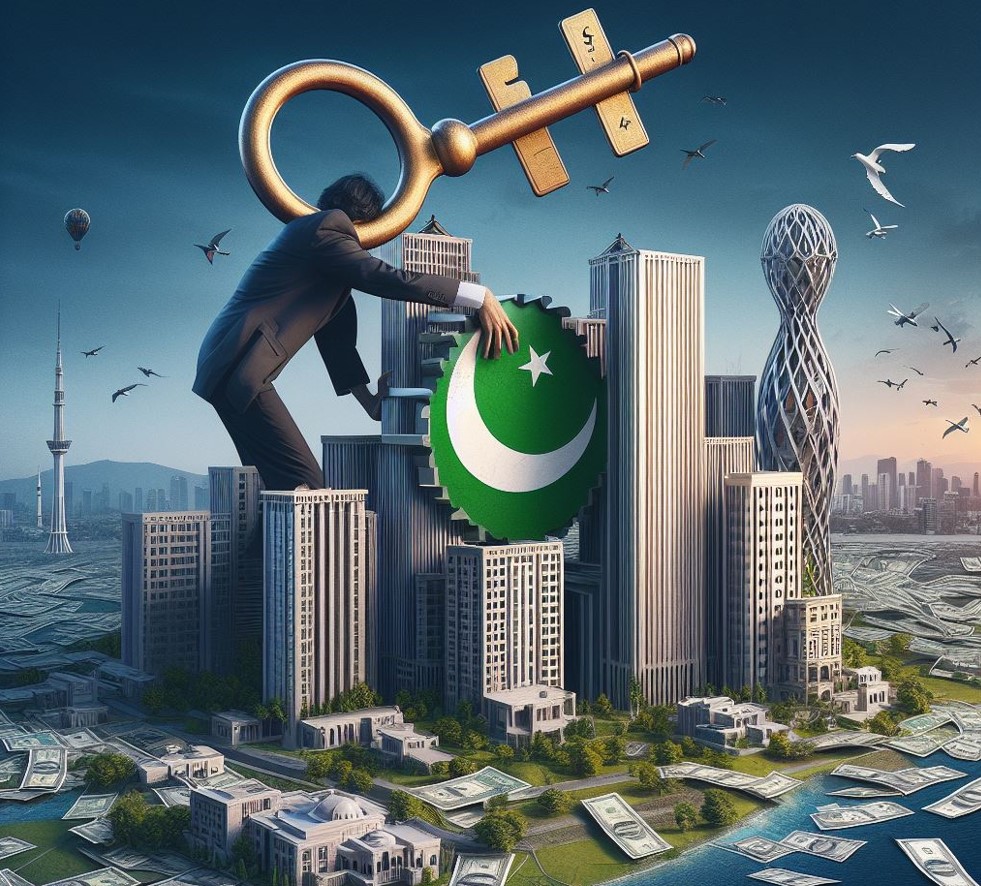
Pakistan’s real estate sector has seen the emergence of influential figures who have capitalized on the demand for property development. From high-rise condominiums to sprawling housing schemes, these icons have reshaped the urban skyline and amassed substantial wealth in the process. Several Figures have become synonymous with the real estate boom, exerting considerable influence on the country’s economy.
Source : D A W N
Impact on Other Industries:
The ascendancy of the real estate sector has had far-reaching consequences for other industries. Traditional sectors such as manufacturing, textiles, and energy have faced challenges as investment and resources are diverted towards real estate ventures. This imbalance has led to a decline in productivity and competitiveness, exacerbating Pakistan’s economic woes. Moreover, the concentration of wealth in the hands of a few has widened the gap between the rich and the poor, fueling social unrest.
Environmental Consequences:
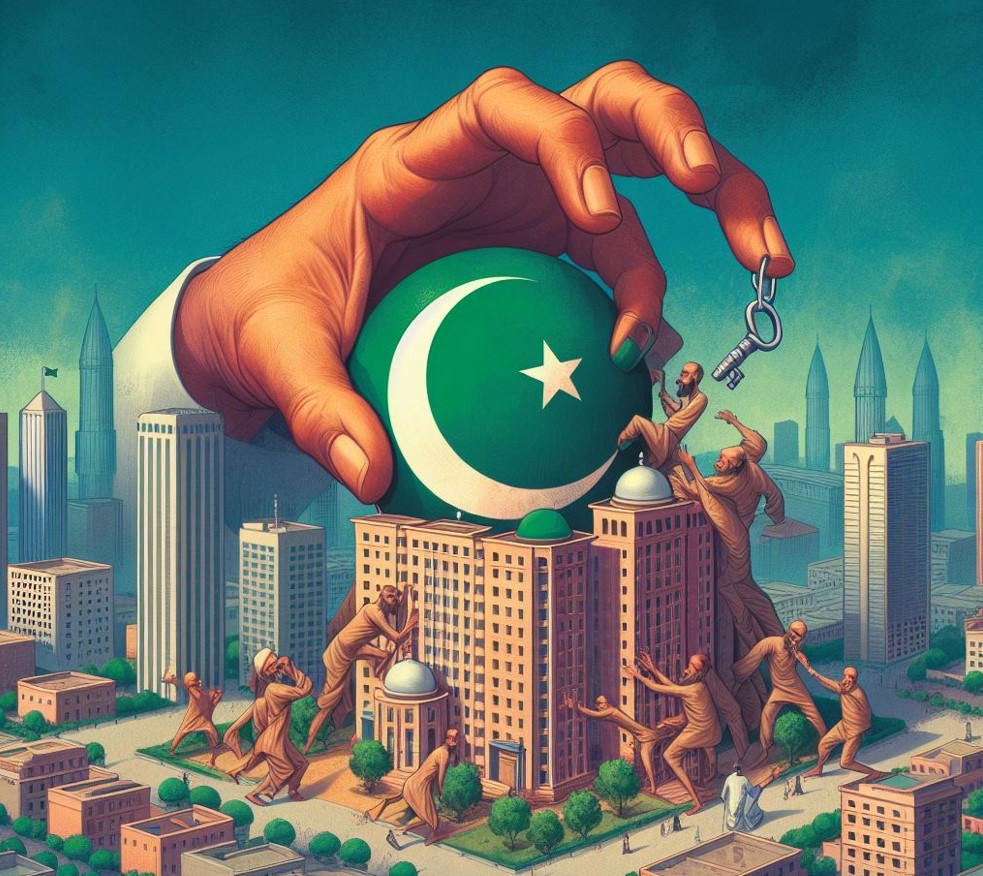
The rapid expansion of urban areas and the proliferation of concrete structures have taken a toll on Pakistan’s environment. Deforestation, loss of agricultural land, and air and water pollution are among the environmental challenges exacerbated by unchecked real estate development. As green spaces diminish and natural resources deplete, the long-term sustainability of Pakistan’s cities is called into question. Urgent measures are needed to mitigate these environmental impacts and promote sustainable urban planning.
Source: T R I B U N E
Economic Challenges and IMF Intervention:
The overreliance on the real estate sector has left Pakistan vulnerable to economic shocks, as evidenced by the country’s recurring need for IMF bailouts. The lack of diversification and the failure to address structural weaknesses have perpetuated a cycle of debt and dependency. IMF interventions, while providing short-term relief, come with stringent conditions that often exacerbate the plight of the common citizen. Without fundamental reforms addressing the root causes of economic instability, Pakistan risks further erosion of its financial sovereignty.
Conclusion:
The dominance of the real estate sector in Pakistan’s economy has profound implications for its future trajectory. While real estate development may offer short-term gains, its long-term consequences are dire. From economic instability to environmental degradation, the costs of unchecked urbanization are too great to ignore. It is imperative for policymakers to prioritize diversification, sustainable development, and inclusive growth to steer Pakistan towards a more resilient and equitable future.
Very interesting points you have remarked,
appreciate it for posting.Raise your business