



Introduction:
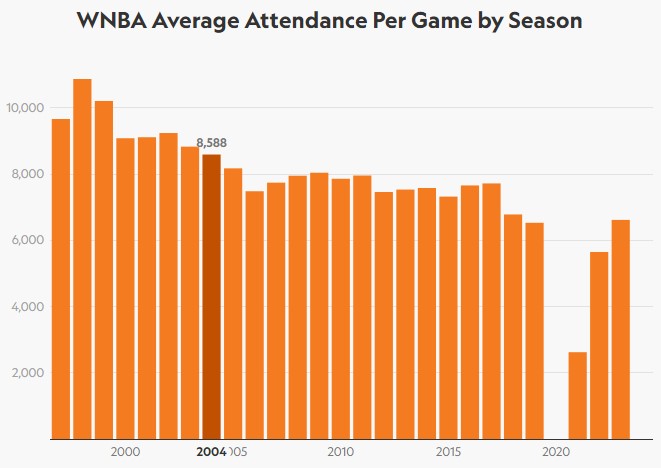
The WNBA, a trailblazer in women’s professional sports, has recently made headlines with its staggering TV viewership numbers during the 2024 season. However, behind the glitz of record-breaking TV ratings lies a sobering reality: a decline in average attendance per game. In this article, we delve into the factors contributing to this attendance slump, drawing comparisons with the NWSL and examining potential solutions to reverse the trend.
The Early Glory Days:
Launching in 1997 on the heels of the momentum from the 1996 Olympics, the WNBA enjoyed a meteoric rise in its inaugural seasons. The league capitalized on the curiosity factor and leveraged heavy marketing campaigns, epitomized by the iconic “We Got Next” tagline. The inaugural game between the New York Liberty and the Los Angeles Sparks drew over five million viewers, setting a high bar for future seasons.
Factors Behind the Decline:
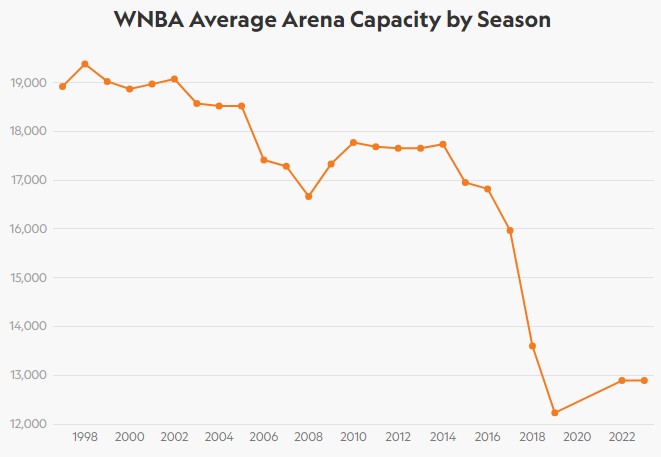
Despite the initial fervor, the WNBA witnessed a steady decline in attendance over its first 25 seasons. Waning interest and the loss of the novelty factor played significant roles. However, venue choices emerged as a critical factor impacting attendance figures. Franchise relocations and downsizing of arenas contributed to the accessibility issue, with some teams playing in venues with capacities far below demand.
Source: wnba.com
Venue Choices and Accessibility:
The Atlanta Dream’s move from Philips Arena to the Gateway Center Arena exemplifies the impact of venue choices on attendance. Similarly, the New York Liberty’s temporary relocation to White Plains highlighted the challenges of playing in smaller venues. The downsizing trend is evident, with six of the 12 franchises playing in venues with fewer than 15,000 seats in 2023.
Addressing the Capacity Issue:
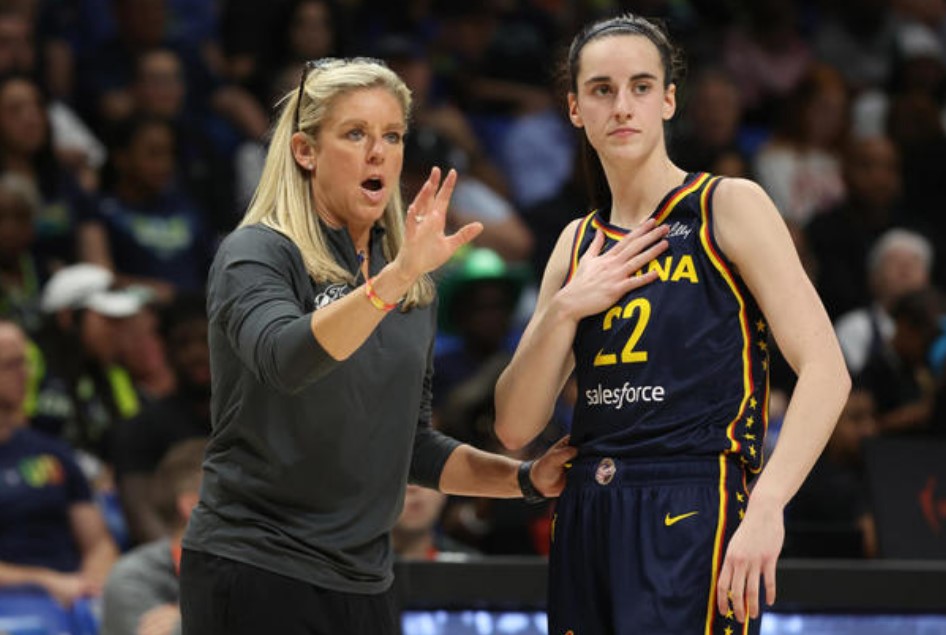
In response to the hype surrounding top draft picks like Caitlin Clark, teams are taking proactive steps to address the capacity issue. The Las Vegas Aces and the Washington Mystics are set to host games at larger venues, capitalizing on the buzz generated by star players. The recent success of the Aces’ game at the T-Mobile Arena underscores the potential of larger venues to attract larger crowds.
The Path Forward:
With a promising rookie class and heightened interest in women’s college basketball, the WNBA has an opportunity to reverse the attendance decline. The recent WNBA Draft drew substantial TV audiences, signaling renewed interest in the league. By prioritizing accessibility through venue choices and capitalizing on the star power of players, the WNBA can pave the way for a resurgence in attendance figures.
Source: E S P N

Conclusion:
While the WNBA celebrates its triumphs in TV viewership, addressing the attendance dilemma remains a pressing challenge. By understanding the factors contributing to the decline and implementing strategic solutions, the league can foster a more sustainable future. As the WNBA gears up for the upcoming season, the spotlight shines on its ability to attract fans to the stands and cement its position as a powerhouse in women’s sports.



Leave a Comment