

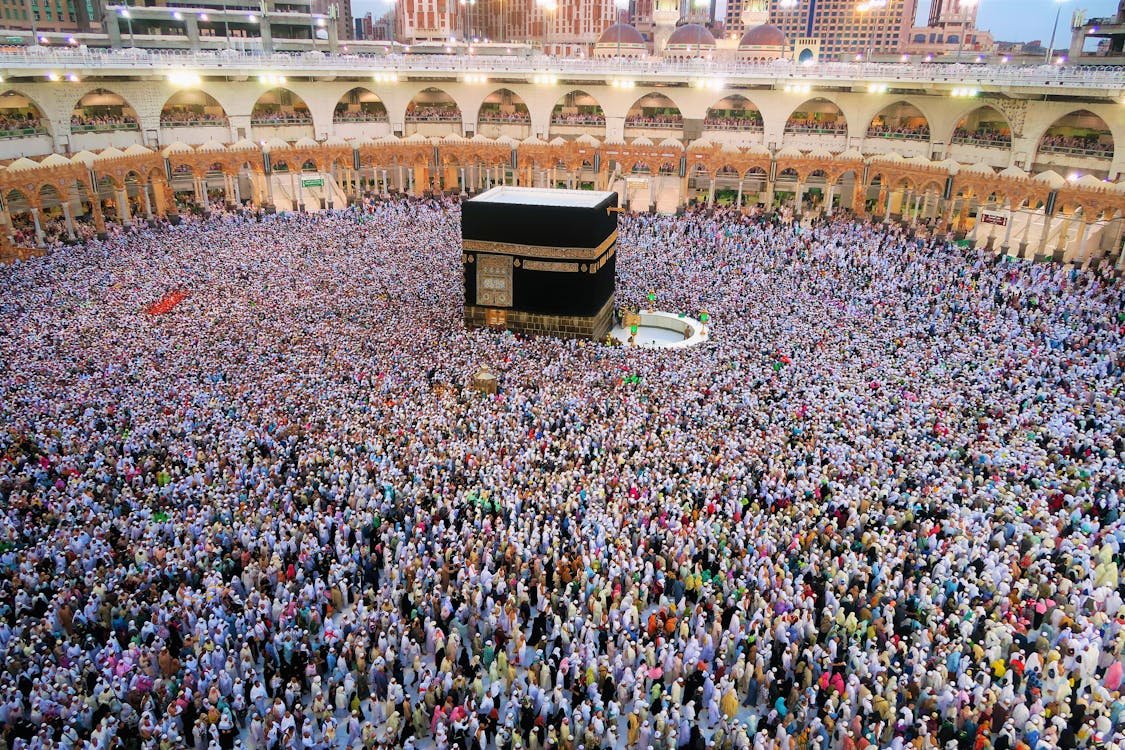

The Hajj, one of the five pillars of Islam, is a sacred pilgrimage that Muslims from around the world embark upon every year, journeying to the holy city of Makkah in Saudi Arabia. This transformative experience culminates in the celebration of Eid ul Adha, a festival of sacrifice, devotion, and gratitude.
As Muslims prepare for this momentous occasion, they undertake a journey of self-reflection, spiritual growth, and physical endurance. The Hajj is a testament to the power of faith, unity, and the human spirit.
Understanding the Hajj: A Pillar of Islam
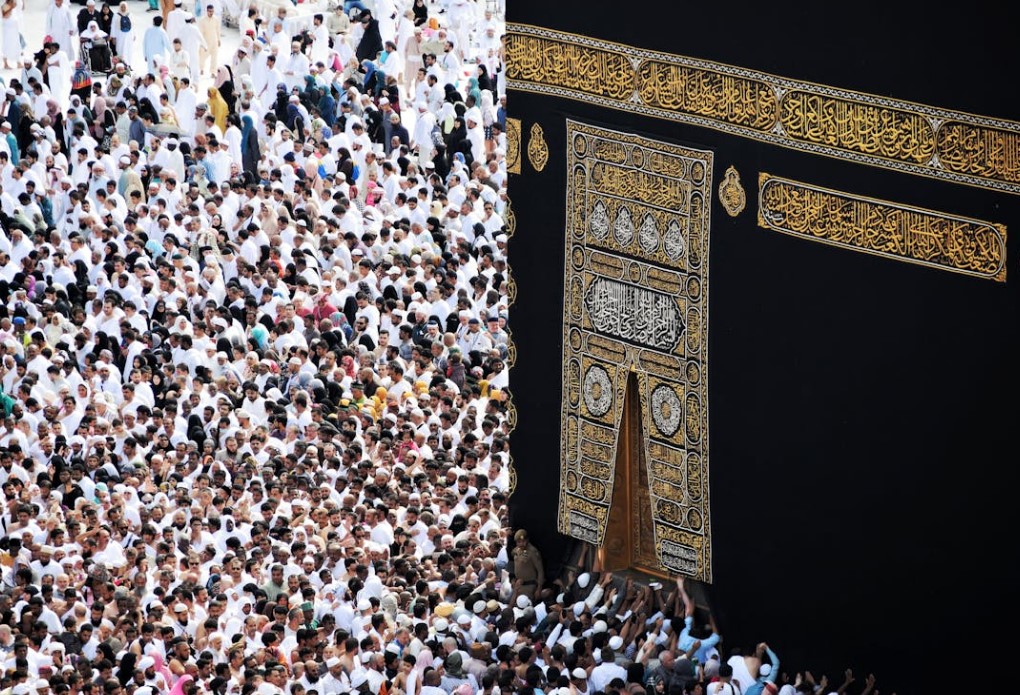
The Hajj is a mandatory religious duty for Muslims who are physically and financially able. Each year, over 2 million pilgrims participate in this profound journey, following a tradition that dates back centuries. The pilgrimage is more than just a physical journey; it is a deeply spiritual experience that fosters a sense of global Muslim unity and devotion to ALLAH.
The Historical Significance of Hajj
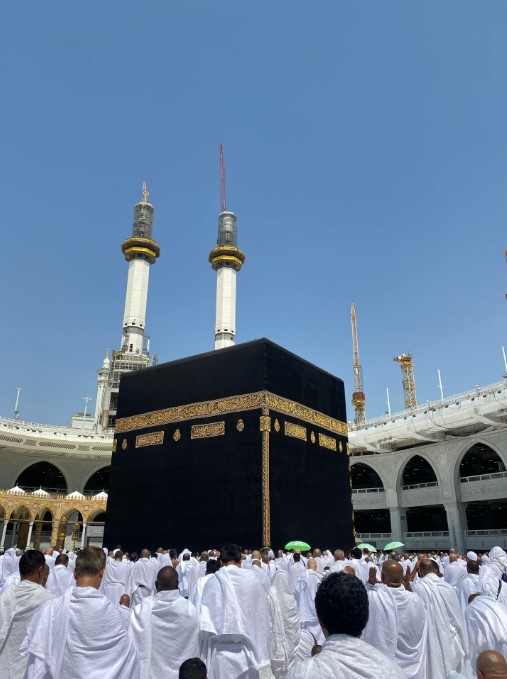
The pilgrimage retraces the holy footsteps of the Prophet Ibrahim (Abraham) and his family, honoring their sacrifice and devotion to ALLAH. The rituals performed during Hajj, such as the Tawaf (circumambulating the Kaa’ba) and the Sa’i (walking between the hills of Safa and Marwah), are acts of worship that symbolize the trials and faith of Hazrat Ibrahim and his noble family. These rituals serve as a reminder of the steadfastness and unwavering faith that Muslims are called to embody.
The Culmination: Eid ul Adha
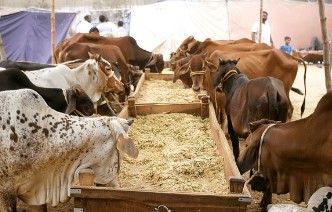
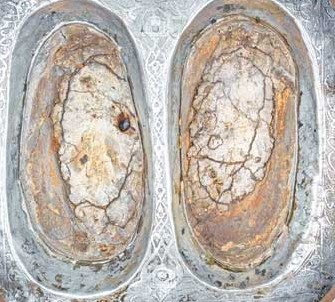
Eid ul Adha, also known as the Festival of Sacrifice, marks the culmination of the Hajj pilgrimage. This festival commemorates the willingness of Hazrat Ibrahim to sacrifice his son Hazrat Ismail (Ishmael), a story that is deeply revered in Islamic tradition. According to the Quran, just as Ibrahim was about to perform the sacrifice, Allah provided a ram to take Ismail’s place, underscoring the importance of obedience and trust in God.
The Celebration of Eid ul Adha
Eid ul Adha is celebrated with prayers, feasts, and the symbolic act of sacrificing an animal, such as a sheep, goat, or cow. The meat from the sacrifice is distributed among family, friends, and the less fortunate, emphasizing the themes of charity and community. This act of giving and sharing reflects the spirit of sacrifice and gratitude that defines the festival. This eid festival is not only about feeding ourselves with meat, unless it contains the message to feed those who can not afford to have meat, that’s why this is part of this festival that the person who is sacrificing the animal must get 03 parts of whole meat, 1st for himself and his family, 02nd for relatives and 03rd for poor and needy persons.
The Spiritual and Social Impact
Participating in the Hajj and celebrating Eid ul Adha have profound impacts on both individual Muslims and the broader Muslim community. The pilgrimage fosters a sense of spiritual renewal and a closer connection to Allah, while Eid ul Adha reinforces the values of compassion, generosity, and social responsibility.
Conclusion
The Hajj and Eid ul Adha are deeply intertwined, representing a journey of faith and sacrifice that is central to the Islamic tradition. As millions of Muslims around the world come together to observe these significant religious events, they are reminded of the enduring power of faith, the importance of unity, and the beauty of sacrifice in the pursuit of spiritual fulfillment.
For more information on the Hajj and Eid ul Adha, you can visit the Ministry of Religious Affairs (Pakistan) or The Story of Eid-ul-Adha.
Leave a Comment