

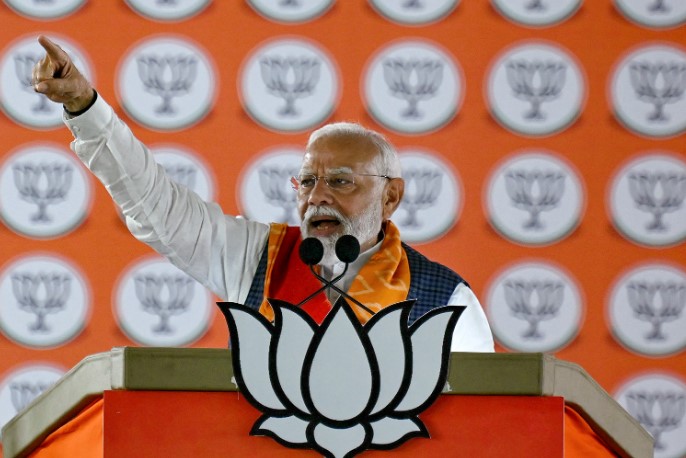

India began releasing the results of its general election on Tuesday, a voting process that is widely expected to secure Prime Minister Narendra Modi another five years in power. This victory would make Modi only the second person in Indian history to lead the country for three consecutive terms.
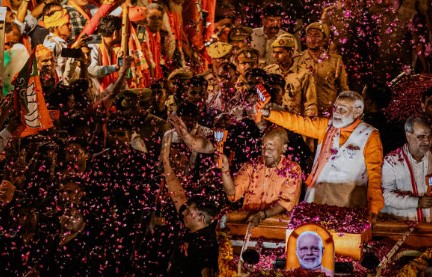
The Largest Democratic Exercise in the World
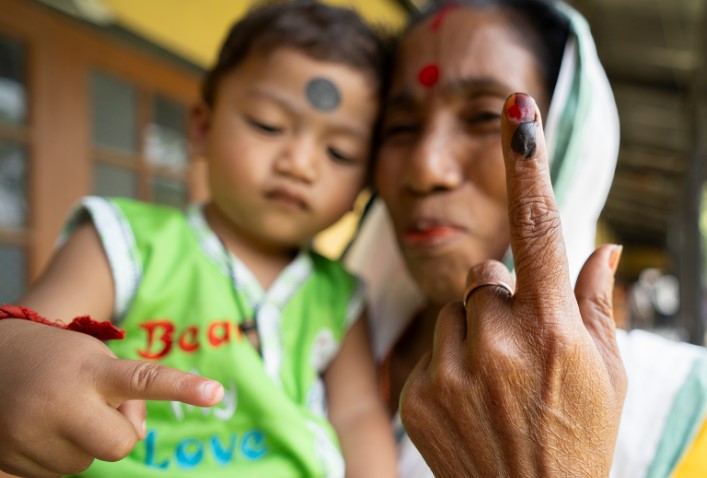
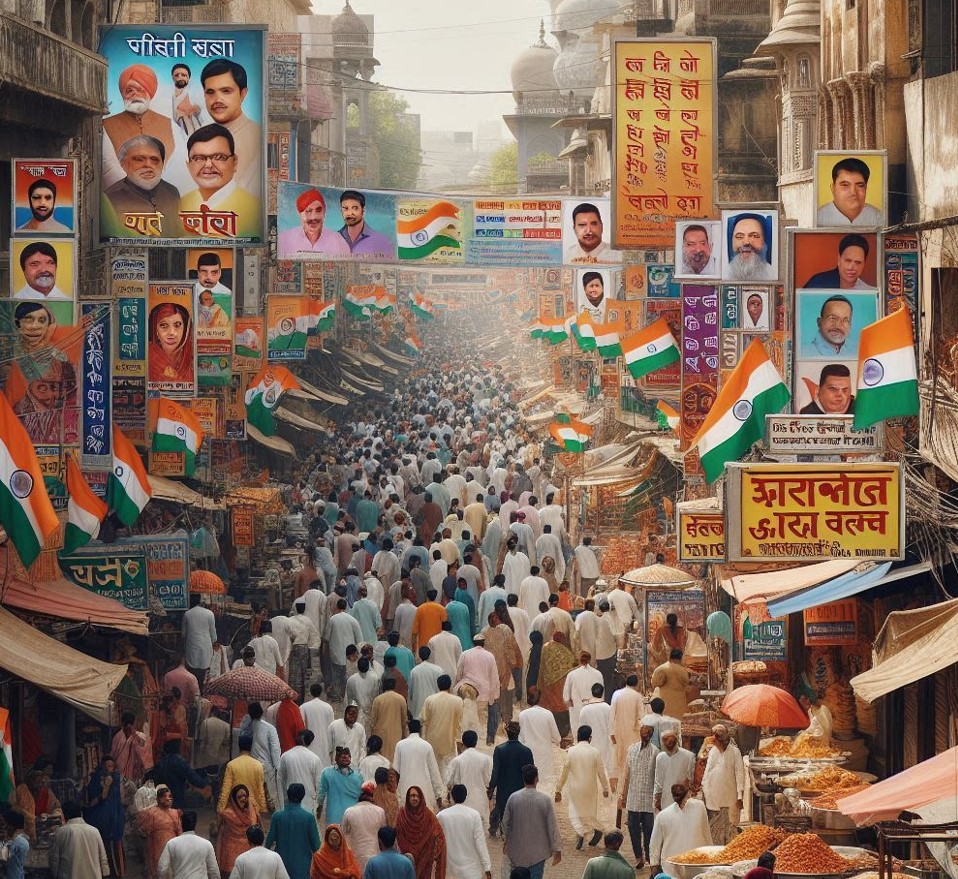
The Indian general election is a colossal democratic exercise, with over 640 million people casting their votes over seven phases spanning more than six weeks. This election cycle, the world’s largest, coincided with a severe heatwave in northern India, with temperatures often exceeding 110 degrees Fahrenheit. Despite these harsh conditions, the voter turnout was substantial, showcasing the resilience and commitment of the Indian electorate.
Exit Polls and Predictions
Exit polls released on Saturday suggested a strong victory for Modi, indicating that his Bharatiya Janata Party (BJP) would secure a significant majority. However, opposition leaders have dismissed these predictions, labeling them as “government surveys” and expressing confidence that the actual results would favor them. The final results will determine whether Modi’s dominance continues or if the opposition’s efforts have borne fruit.
The Modi Phenomenon
Narendra Modi’s tenure has seen him consolidate considerable power through the BJP. Even with a potential loss of seats in Parliament, the BJP is likely to form a government, either independently or with coalition partners. In the previous election, the BJP won 303 out of 543 seats in Parliament, far surpassing the Indian National Congress, its closest competitor.
Presidential-Style Campaigning
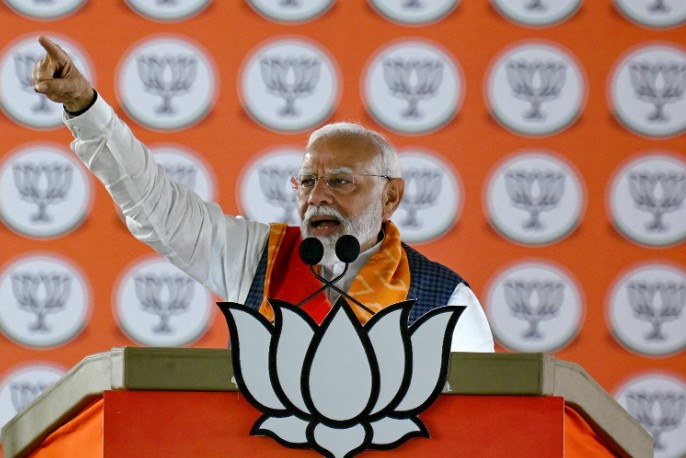
Unlike traditional parliamentary elections in India, which are typically influenced by local economic and social issues, the BJP transformed this election into a presidential-style campaign centered on Modi’s leadership. This strategy has kept the focus on Modi, overshadowing local candidates and issues.
Opposition’s United Front
Opposition parties have united in a bid to prevent a third Modi term, fearing it could lead to one-party rule and marginalize them permanently. They have worked to address local grievances and consolidate their votes to regain competitive seats. Their campaign has painted Modi as a leader who favors billionaires and has failed to generate sufficient employment opportunities.
Source: C N N
Key Issues and Campaign Promises
The election debate has heavily featured India’s economic disparities. Modi’s opponents have criticized his economic policies, alleging that they benefit the wealthy at the expense of the poor. In response, both sides have highlighted their welfare programs. Modi has reminded voters of his government’s achievements, such as providing water connections and housing. Meanwhile, the opposition has promised new initiatives, including cash transfers to poor women and paid apprenticeships for the youth.
The Countdown Begins
As the vote counting progresses, all eyes are on the crucial hours ahead. Historically, in the 2014 and 2019 elections, most results were clear between 10 a.m. and noon. By early afternoon, it was evident that Modi’s BJP had secured a majority. This election’s outcome will soon unfold, potentially marking a historic moment in Indian politics.
Stay tuned for updates as we continue to cover the unfolding results and what they mean for the future of India’s political landscape.
Call to Action
For continuous updates on the Indian general election results, follow our live coverage on Blogy365.com. Don’t miss any critical updates!
You have remarked very interesting details!
ps decent website.Raise your business
thanks