

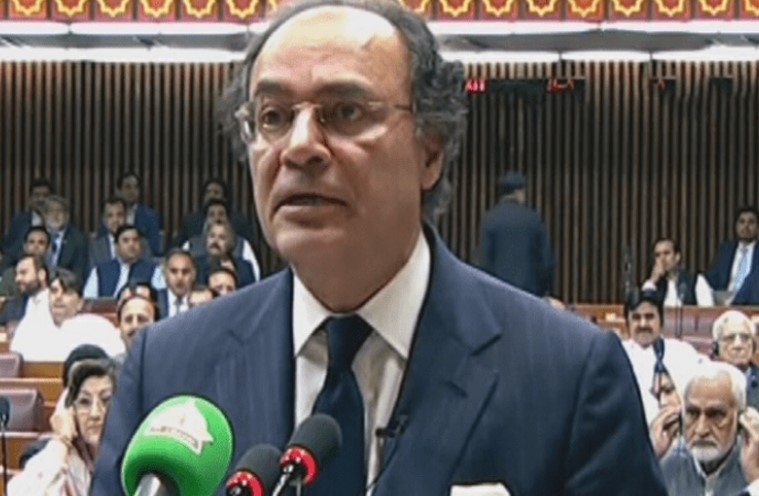

The Pakistan federal budget for the fiscal year 2024-25, spanning from July 1, 2024, to June 30, 2025, is set to be presented in Parliament on June 12, 2024. This budget is pivotal for Pakistan, especially given the stringent conditions imposed by the International Monetary Fund (IMF) for securing a critical bailout package.
Overview of the 2024-25 Federal Budget
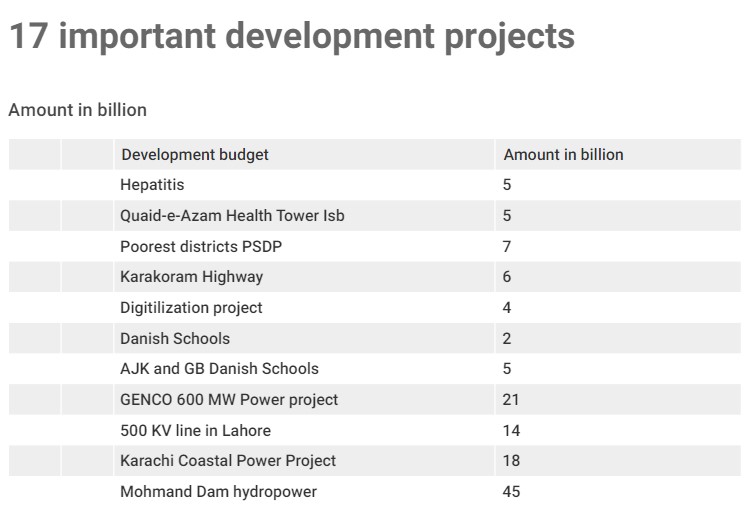
The forthcoming budget is expected to adopt a contractionary stance, primarily focusing on narrowing the gap between revenue and expenditure. This approach is crucial for Pakistan to secure the much-needed financial assistance from the IMF. The National Economic Council (NEC), on June 10, 2024, decided to maintain funding for ongoing provincial projects and constituency-based schemes. Additionally, the NEC approved a 47% increase in the federal Public Sector Development Programme (PSDP), bringing it to Rs 1.4 trillion. The economic growth target has been set at 3.6%.
IMF Bailout and Its Significance
Pakistan is negotiating a loan ranging from $6 billion to $8 billion with the IMF. This budget plays a crucial role in meeting the IMF’s conditions, which include restricting the budget deficit to 5-6% of GDP and achieving a primary surplus. Successfully meeting these conditions is essential for Pakistan to secure the bailout and stabilize its economy.
Taxation Policies
To boost revenue, the government aims to collect an additional Rs 2,000 billion by introducing new taxes. These measures include an 18% General Sales Tax (GST) on retailers, agricultural implements, seeds, fertilizers, tractors, and other equipment. These new taxes are expected to affect middle and high-income groups significantly.
Impact on Poverty and Salaried Persons
Effect on Poverty
The budget’s contractionary stance and new taxation measures could have a mixed impact on poverty levels in Pakistan. On one hand, the increased funding for the Public Sector Development Programme (PSDP) aims to stimulate economic growth and create jobs, which could help alleviate poverty. However, the imposition of new taxes, particularly on essential agricultural products and retail goods, may increase the cost of living. This rise in expenses can disproportionately affect low-income households, potentially exacerbating poverty.
Effect on Salaried Persons
Salaried individuals, particularly those in the middle-income bracket, are likely to feel the pinch of the new budget. The additional Rs 2,000 billion in revenue, raised through taxes, could reduce disposable income, as more money will be directed towards paying higher GST on various goods. This situation could lead to a decrease in the standard of living for many salaried persons, as they will have less money to spend on non-essential items and savings. The government’s focus on fiscal discipline might mean fewer subsidies and support measures for salaried individuals, adding to their financial burdens.
Managing the Deficit
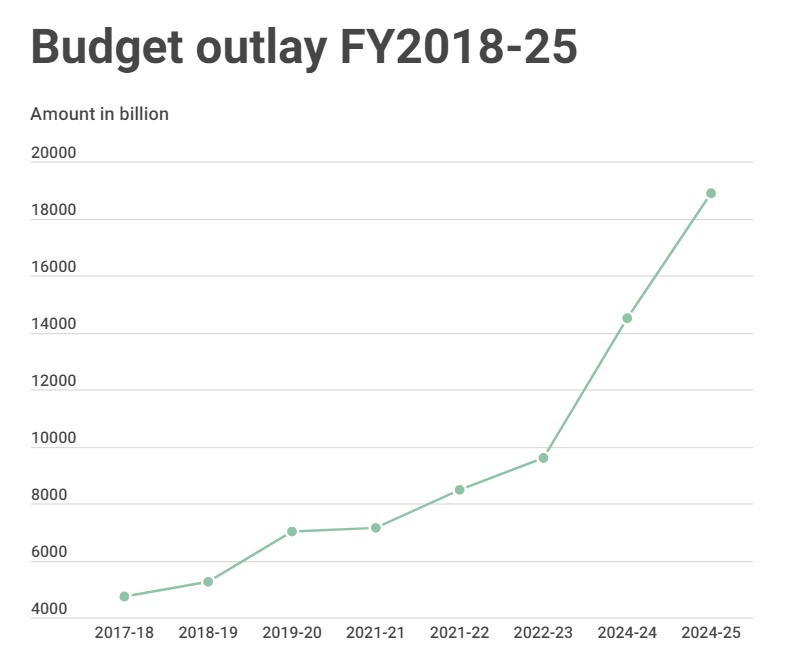
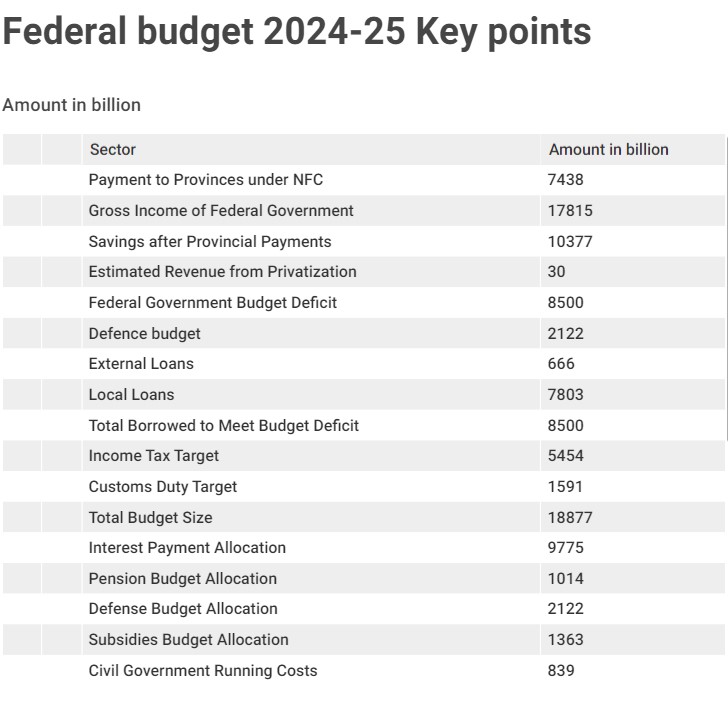
The proposed federal budget stands at Rs 18,900 billion, with a projected deficit of Rs 9,800 billion. The government’s strategy focuses on limiting the budget deficit to 5-6% of GDP, aligning with the IMF’s requirements. This measure is crucial for maintaining fiscal discipline and securing international financial support.
Conclusion
The 2024-25 Pakistan federal budget is a critical financial document that aims to navigate the country through its economic challenges while meeting IMF conditions for a bailout. The budget’s focus on increasing tax revenues and managing the deficit underscores the government’s commitment to achieving economic stability and growth. However, the implications for poverty and salaried individuals need to be carefully managed to avoid adverse socio-economic impacts.
For more detailed information on the Pakistan federal budget, you can visit the official government website.
Related Links:
By staying informed about the budgetary changes and their implications, citizens and businesses can better prepare for the fiscal year ahead. Stay tuned with blogy365.com

Leave a Comment