


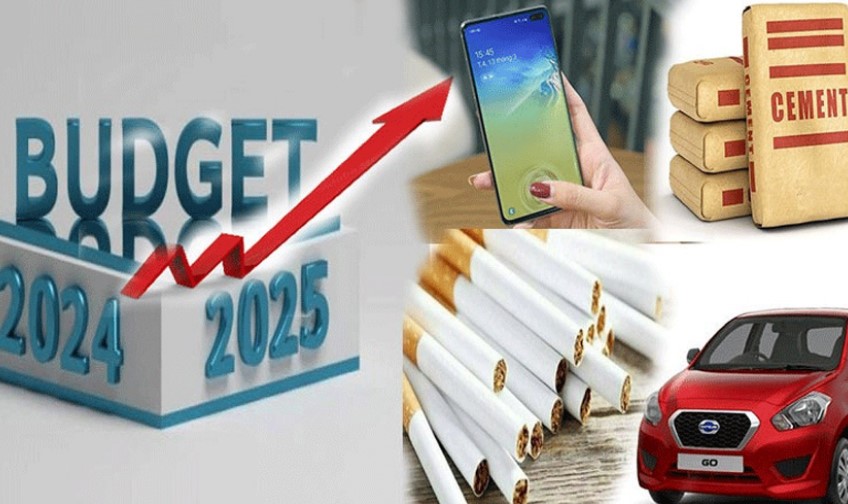
The Pakistan federal budget for the fiscal year 2024-25, presented in Parliament on June 12, 2024, introduces significant economic measures aimed at securing an IMF bailout. This budget, however, may have contrasting effects on different socio-economic classes in Pakistan, potentially widening the gap between the lower class and the elite. This blog explores the expected impacts on the purchasing power of the lower class, benefits for the elite, and strategies for the lower class to mitigate these adverse effects while increasing income.

Lower Class Purchase Power: A Strain on Daily Life Due Budget
The 2024-25 budget’s contractionary stance is likely to strain the purchasing power of Pakistan’s lower class. Key factors contributing to this strain include:
- Increased GST: The imposition of an 18% General Sales Tax (GST) on essential goods such as agricultural implements, seeds, fertilizers, and retail items will directly impact the cost of living. For lower-income households, which already allocate a significant portion of their income to essentials, this tax increase will make basic necessities more expensive.
- Higher Cost of Living: With the cost of essential goods rising, the lower class will face increased daily expenses. This situation may push more families below the poverty line, exacerbating existing economic challenges.
- Limited Subsidies: The government’s focus on fiscal discipline to meet IMF conditions could result in fewer subsidies and support measures for the lower-income population, further limiting their financial resilience.
Benefits to the Elite Class in Budget: Reinforcing Economic Inequality
While the budget imposes higher taxes on essential goods, it appears to favor the elite class in several ways:
- Investment in Development Projects: The 47% increase in the federal Public Sector Development Programme (PSDP) to Rs 1.4 trillion will likely benefit businesses and contractors linked to these projects. Often with significant stakes in such ventures, the elite stand to gain from government contracts and development initiatives.
- Stable Business Environment: By aiming to stabilize the economy and secure the IMF bailout, the budget indirectly supports a stable business environment, which is crucial for high-income groups and large corporations. This stability can enhance business prospects and profitability for the elite.
- Tax Burden Distribution: The focus on indirect taxes, which disproportionately affect the lower class, allows the elite to bear a lighter direct tax burden. This approach helps maintain their wealth and spending power.
Strategies for the Lower Class: Mitigating Negative Impacts and Enhancing Income
To navigate the challenging economic landscape shaped by the 2024-25 budget, the lower class in Pakistan can adopt several strategies:
- Community-Based Support Systems: Strengthening community networks can provide essential support in financial strain. Local cooperatives and mutual aid groups can help share resources and reduce individual expenses.
- Skill Development and Education: Investing in skill development and education can open up new employment opportunities. Vocational training programs and online courses can provide lower-income individuals with skills needed for higher-paying jobs or entrepreneurial ventures.
- Small-Scale Entrepreneurship: Encouraging small-scale entrepreneurship can provide alternative income streams. Home-based businesses, local crafts, and small-scale farming can help diversify income sources and reduce dependency on traditional employment.
- Advocacy for Policy Change: Collective advocacy for more equitable policies and subsidies can help address the disproportionate impact of the budget on the lower class. Grassroots movements and community organizations can play a vital role in voicing these concerns.
- Financial Literacy: Enhancing financial literacy can help individuals better manage their finances, plan for the future, and make informed economic decisions. Workshops and community education programs can be valuable in this regard.
Tips for Income Generation
- Freelancing: Platforms like Upwork and Fiverr offer opportunities for skilled individuals to find freelance work in various fields, from writing and graphic design to software development and marketing.
- Online Tutoring: For those with expertise in academic subjects or other skills, online tutoring can be a lucrative source of income. Websites like Preply and Chegg connect tutors with students worldwide.
- E-commerce: Starting an online store through platforms like Etsy, Shopify, or Daraz can enable individuals to sell handmade goods, vintage items, or drop-shipping products.
- Agricultural Innovation: Exploring innovative agricultural practices, such as organic farming or hydroponics, can increase productivity and profitability for small-scale farmers.
- Gig Economy Jobs: Participating in the gig economy through ride-sharing services like Uber or food delivery apps like Foodpanda can provide flexible income opportunities.
Conclusion
The 2024-25 Pakistan federal budget, while aimed at economic stabilization and meeting IMF conditions, presents significant challenges for the lower class, primarily through increased living costs and limited subsidies. Conversely, the elite class stands to benefit from development projects and a stable business environment. By adopting strategies for community support, skill development, and income diversification, the lower class can work towards mitigating the negative impacts and improving their financial standing. Through collective efforts and informed economic decisions, it is possible to navigate these challenging times and strive for a more equitable economic future.
For more insights and updates on Pakistan’s federal budget and its socio-economic impacts, stay tuned to blogy365.com.
Leave a Comment