


In the annals of Islamic history, Hazrat Usman Ibn Affan (RA) holds a distinguished place as the third Caliph of Islam. Known for his intelligence, generosity, and unwavering faith in Allah (SWT), Hazrat Usman (RA) led the Muslim community with exceptional leadership and profound dedication.

Initial Life of Hazrat Usman (RA)
Hazrat Usman (RA) was born in 573 CE into the noble Ummayah family of Makkah. His father, Affan bin Abul-As, died during the pre-Islamic period, and his mother, Arwa bint Kurayz, passed away during his caliphate. As a successful businessman dealing in clothing, Hazrat Usman (RA) was known for his wealth, which he generously used to support the poor and needy.
Acceptance to Islam
Hazrat Usman (RA)’s journey to Islam began with a keen interest in the teachings of the Holy Prophet Muhammad (PBUH). Drawn to the Prophet’s (PBUH) message, Usman (RA) sought to understand the tenets of Islam deeply. His interactions with the Prophet (PBUH) left a lasting impression, leading him to embrace Islam wholeheartedly. This conversion underscores the importance of seeking knowledge and being open to truth, making Hazrat Usman (RA) an inspirational figure for all believers.

Life During the Prophethood
As one of the closest companions of the Holy Prophet (PBUH), Hazrat Usman (RA) played a significant role in the early Islamic community. He participated in key battles such as Badr, Uhud, and the Battle of the Trench, demonstrating his bravery and commitment to Islam. Renowned for his generosity, Hazrat Usman (RA) used his wealth to support the Muslim community, earning him the title “Al-Ghani” (the generous).
Leadership After the Prophet’s Era
Following the death of the Holy Prophet Muhammad (PBUH), Hazrat Usman (RA) emerged as a prominent leader. He was chosen as the third Caliph after the assassination of Hazrat Umar (RA). Despite facing numerous challenges, he led with justice, compassion, and a steadfast commitment to Islamic principles. His caliphate saw the expansion of the Islamic empire and significant advancements in social and economic prosperity.
Role as the Caliph
During his tenure as Caliph, Hazrat Usman (RA) focused on the welfare and prosperity of the Muslim community. He established educational, healthcare, and social welfare institutions, and worked tirelessly to ensure the security and stability of the Islamic state. His administration emphasized adherence to the Quran and Sunnah, contributing to the flourishing of the Muslim world.
Martyrdom of Hazrat Usman (RA)
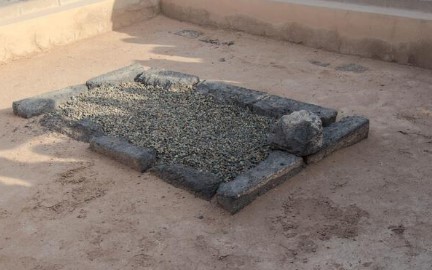
Despite his accomplishments, Hazrat Usman (RA) faced opposition from a faction that rebelled against his rule. On the 18th of Dhul Hijjah, 35 AH (656 CE), rebels besieged his home in Medina, leading to his tragic assassination. During the siege, Hazrat Usman (RA) displayed remarkable patience and resilience, ultimately being martyred while reciting the Holy Quran. His martyrdom marked a somber chapter in Islamic history, deeply affecting the Muslim community.
Conclusion
Hazrat Usman Ibn Affan (RA)’s life and leadership left an indelible mark on Islamic history. His generosity, wisdom, and unwavering faith serve as an enduring example for Muslims worldwide. From his contributions to the compilation of the Holy Quran to his efforts in expanding Masjid E Nabwi, Hazrat Usman (RA) dedicated his life to the service of Islam and the betterment of the Muslim Ummah.
For more detailed insights into the lives of the Caliphs and their contributions to Islam, visit Islamic History Online. To explore further about the impact of Hazrat Usman’s (RA) leadership, check out Jamia Ashrafia
For more info, log into blogy365.com
Leave a Comment