

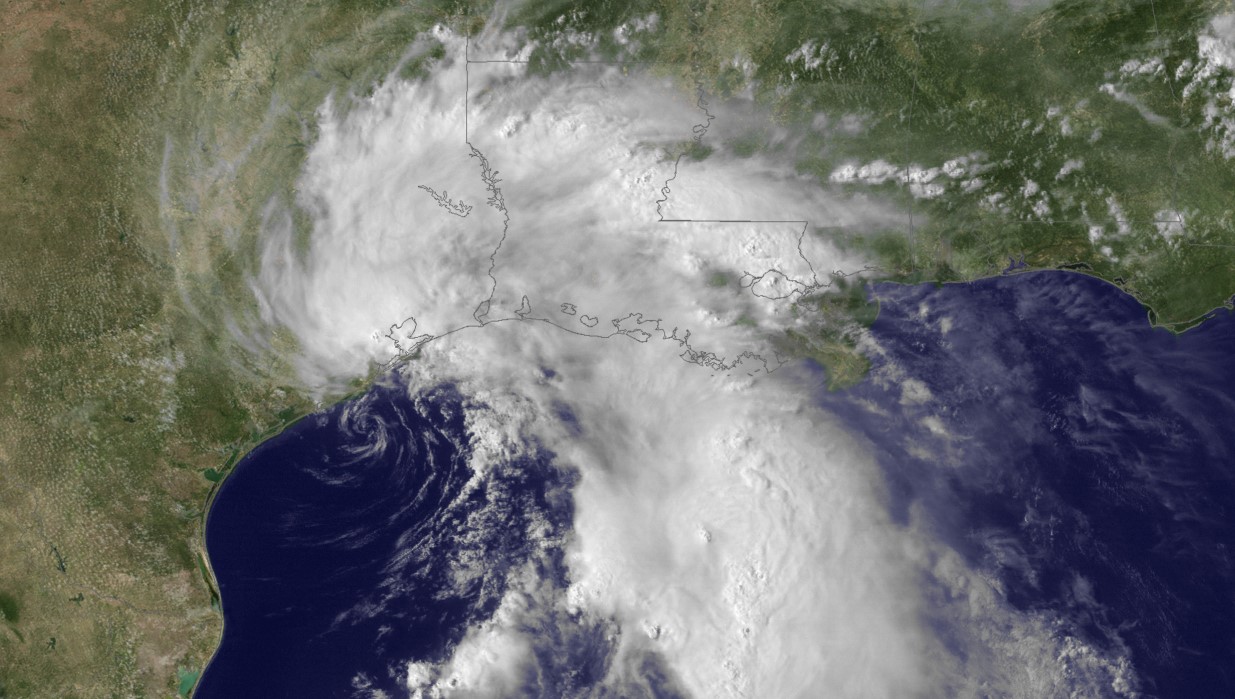

As Tropical Storm Helene intensifies in the Caribbean Sea, residents along the Florida Gulf Coast and Mexico are on high alert. The National Hurricane Center (NHC) has warned that Helene could strengthen into a major hurricane by Thursday, bringing life-threatening conditions to the region. This storm is the latest development in what has been predicted to be one of the most active Atlantic hurricane seasons in history.
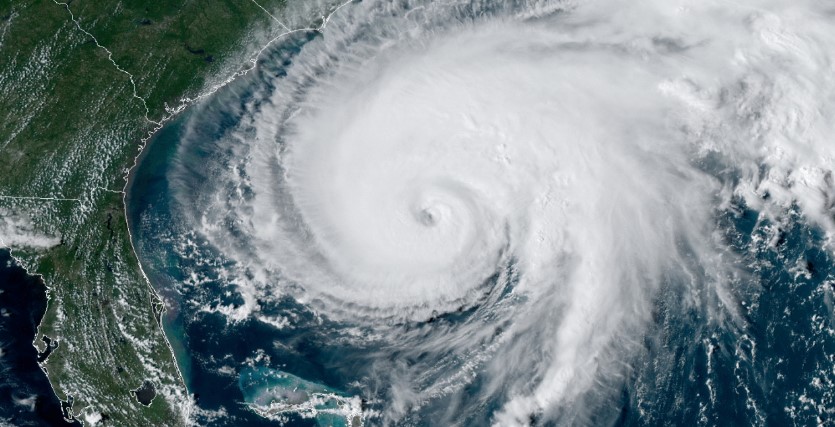
Tropical Storm Helene’s Current Status
Tropical Storm Helene, as of Tuesday, is positioned approximately 150 miles south of the western tip of Cuba. The storm is moving northwest toward Florida, with maximum sustained winds of 50 mph and higher gusts. Forecasters at the NHC anticipate Helene will become a hurricane as it nears the Yucatán Peninsula on Wednesday, eventually reaching the Florida Gulf Coast by Thursday with winds potentially exceeding 115 mph.
Helene’s rapid intensification over the warm waters of the Caribbean has raised concerns about the severity of its impact on Florida’s coastline, with projections of heavy rainfall between 4 to 8 inches, and isolated areas receiving up to a foot of rain. This will likely result in significant flash flooding and urban inundation across many areas.
Evacuations and Warnings
A hurricane warning has been issued for the Florida coastline stretching from the Anclote River to Mexico Beach, as well as the coast of Mexico from Cabo Catoche to Tulum. Additionally, the NHC has placed a storm surge warning in effect from Flamingo to Indian Pass, including Tampa Bay and Charlotte Harbor.
The Florida Division of Emergency Management announced mandatory evacuation orders in six counties—Charlotte, Franklin, Gulf, Manatee, Pinellas, and Wakulla. As of Tuesday evening, both mandatory and voluntary evacuation orders had been issued in 13 counties. Almost the entire state remains under a state of emergency as officials urge residents to heed evacuation orders and prepare for the storm.
Airline Travel Disruptions
With the impending storm, major airlines like United Airlines, Delta, JetBlue, Southwest, and Frontier have all issued travel alerts. These airlines allow passengers in potentially impacted areas to reschedule their flights without penalty, ensuring safer travel options ahead of Helene’s arrival.
For more information about flight changes due to Tropical Storm Helene, visit each airline’s official website for updates.
Helene’s Inland Impact
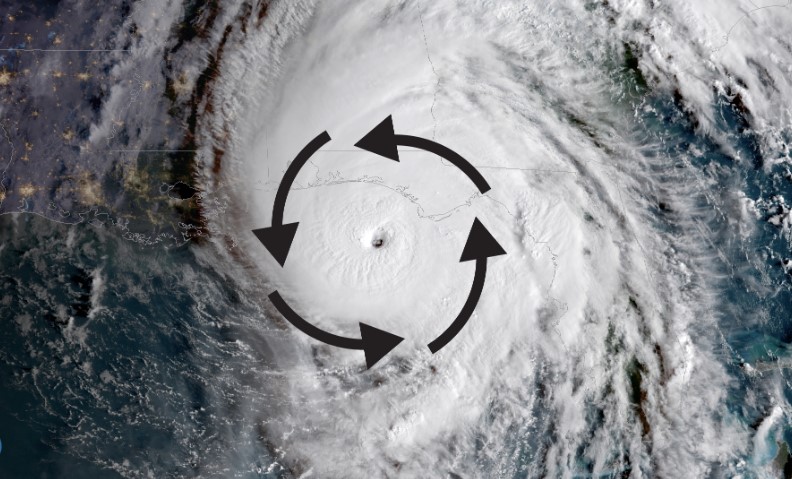
While coastal areas are bracing for hurricane-force winds and storm surge, forecasters also warn that Helene’s effects could be felt well inland. The storm’s large wind field and heavy rain could create dangerous conditions across the southern Appalachians, increasing the risk of landslides. Residents in these areas should stay informed and take precautions.
“Life-Threatening” Storm Surge
The NHC emphasized the potential for a life-threatening storm surge along the west coast of the Florida Peninsula and the Florida Big Bend. The highest inundation levels are expected in the Florida Big Bend area, where residents are being urged to follow evacuation orders and monitor local advisories.
For detailed advice on how to stay safe during a hurricane, check out FEMA’s official hurricane preparedness guide here.
Key Background
Tropical Storm Helene is the eighth named storm of the 2024 Atlantic hurricane season. Helene follows closely on the heels of Hurricane Francine, which landed in Louisiana as a Category 2 storm earlier this month. Despite predictions of an especially active hurricane season, Helene is only the second storm this month to pose a significant threat to the U.S. coast. However, experts still expect an uptick in storm activity as the season progresses, with forecasters predicting up to 25 named storms and 13 hurricanes.
For more on the 2024 Atlantic hurricane season forecast, visit the NOAA’s official page.
Final Thoughts
As Tropical Storm Helene rapidly strengthens, residents in Florida, Georgia, and nearby regions should remain vigilant and prepared for severe weather. This storm poses serious risks, not just to coastal communities but also to areas far inland, due to its size and strength. With evacuation orders in place and travel plans disrupted, everyone in the storm’s path must stay informed and take safety precautions.
Stay tuned for further updates as Helene approaches the U.S. coastline.
If you’re interested in learning more about the latest developments in hurricane forecasting and preparedness, check out this comprehensive guide from the National Weather Service.
Leave a Comment