

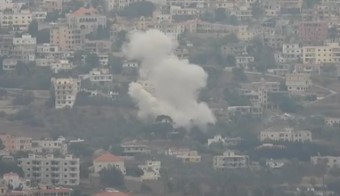

The ongoing conflict between Israel and Hezbollah has escalated to alarming levels, resulting in a tragic toll on both sides. The most recent Israeli airstrikes on Hezbollah targets in Lebanon have led to the deadliest day in nearly 20 years, with 492 casualties, according to Lebanon’s health ministry. These events mark a dramatic intensification of hostilities, and both regional and global powers are urging restraint to prevent a full-blown war.
The Deadliest Air Strikes in Lebanon Since 2006
Israel’s military confirmed that its recent operations targeted over 1,600 Hezbollah sites, aimed at dismantling the infrastructure Hezbollah has built since the 2006 war. Hezbollah, in response, launched more than 200 rockets into northern Israel, with shrapnel injuries reported by paramedics on the Israeli side.
The casualties from these airstrikes include 35 children and 58 women, with a total of 1,645 people wounded, though it remains unclear how many were civilians versus combatants. The strikes have forced thousands of families to flee their homes, raising concerns about the growing humanitarian crisis in the region.
Global Powers Call for Restraint
Amid the rising violence, UN Secretary-General António Guterres and EU foreign affairs chief Josep Borrell have voiced grave concerns. Guterres warned against Lebanon becoming “another Gaza,” while Borrell described the escalation as “extremely dangerous,” suggesting the world is on the brink of witnessing a full-scale war.
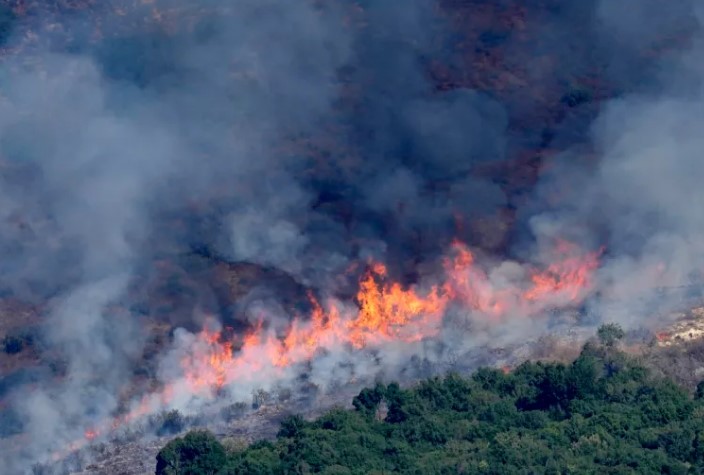
President Joe Biden also called for de-escalation and the safe return of displaced civilians, emphasizing the U.S. role in seeking peaceful solutions. In a show of caution, the Pentagon has deployed a “small number” of additional U.S. troops to the Middle East, signaling the seriousness of the crisis.
Hezbollah’s Role and International Repercussions
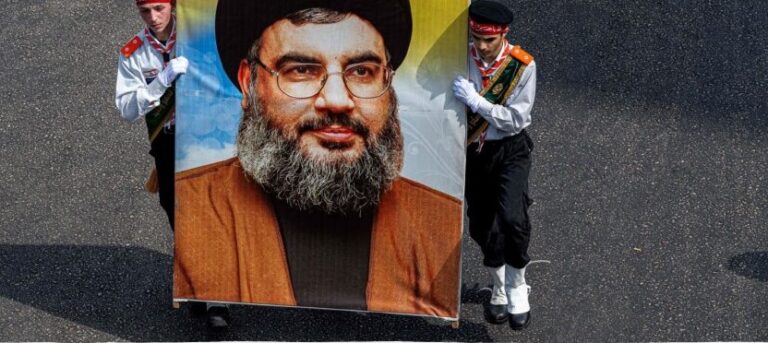
Hezbollah, backed by Iran, has been a key player in the conflict, aligning itself with Hamas in Gaza. The group has stated that it will continue its actions until a ceasefire is reached in Gaza. Both Hezbollah and Hamas are labeled as terrorist organizations by Israel, the UK, and several other countries, complicating diplomatic efforts for peace.
The situation has also seen nearly a year of cross-border fighting between Israel and Hezbollah. Most of the casualties have been Hezbollah fighters, and the conflict has displaced tens of thousands on both sides of the border.
Fear and Desperation Among Civilians
Civilians in Lebanon are bearing the brunt of this conflict. Reports from the National News Agency (NNA) describe devastating air strikes targeting districts in Sidon, Marjayoun, Nabatieh, and Tyre, as well as the Bekaa Valley. One resident shared her harrowing experience: “The missiles flew over our heads… We woke up to the sound of bombings.”
In Beirut, panic is palpable as civilians rush to escape the city’s southern suburbs, which have also come under attack. Hezbollah’s top commander in south Lebanon, Ali Karaki, was reportedly targeted in one of the strikes, though Hezbollah has denied his death, saying he had moved to a safe location.
The Road Ahead: A Call for Peace
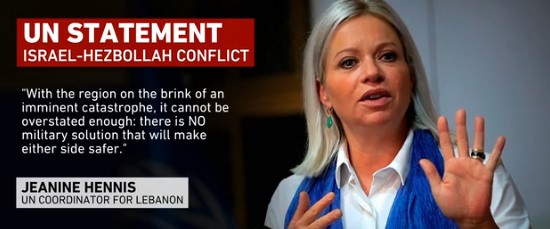
Lebanese Prime Minister Najib Mikati has labeled the ongoing airstrikes as a “war of extermination.” He is urging the international community to intervene and stop this new Israeli war. The situation remains highly volatile with tensions at a breaking point and no immediate ceasefire in sight.
As the world watches, the hope for de-escalation rests in diplomatic efforts. With civilians bearing the brunt of the conflict and thousands displaced, the need for a peaceful resolution has never been more urgent.
For more detailed information on the Hezbollah-Israel conflict, you can refer to this in-depth analysis on Hezbollah’s role in Lebanon and the current situation in the Middle East.

Leave a Comment