

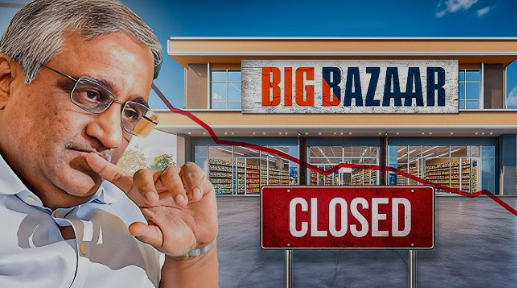

Big Bazaar, once hailed as India’s Walmart revolutionized the retail industry after its launch in 2001. With over 1,500 stores by 2020, it became a household name. However, its meteoric rise was followed by an unfortunate collapse. This blog explores Big Bazaar’s journey, the reasons behind its failure, and what modern businesses can learn from it.
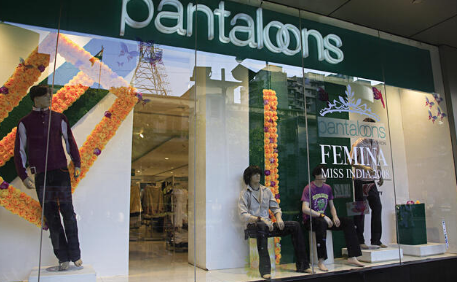
🛍️ The Beginning & Growth Path of Big Bazaar
Kishore Biyani, the visionary behind Big Bazaar, started his entrepreneurial journey in his father’s clothing business. In 2001, he launched Big Bazaar, the largest departmental store in Kolkata.
🎯 Key Growth Factors
- Understanding Indian Customers
Biyani knew Indian shoppers preferred to see and feel products before purchasing. This insight helped him attract a massive customer base. - Discounts Galore
Frequent discounts and sales turned Big Bazaar into a shopper’s paradise. Customers loved the savings, flocking to stores regularly.
From 2003 to 2010, Big Bazaar enjoyed a golden era, operating with minimal competition. Formats like Food Bazaar and FBB became synonymous with convenience and affordability..
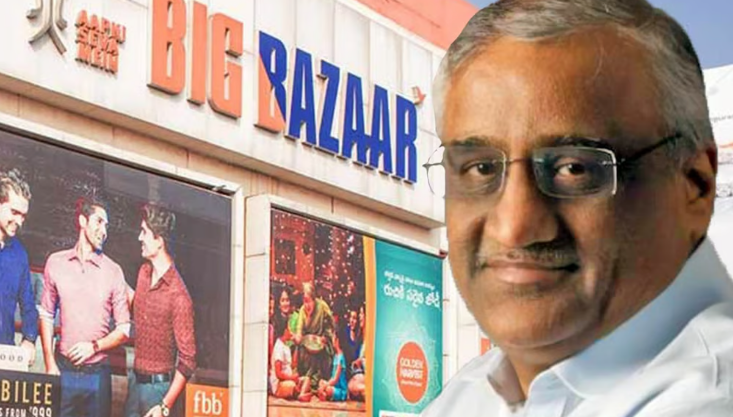
🔎 The Discount Problem of Big Bazaar
While discounts brought in customers, they also drained profits. Aggressive store expansions and steep discounts created a vicious cycle of high operational costs and reduced margins.
For insights on how discounting can backfire in retail, read this Harvard Business Review article.
💥 Reasons Behind Big Bazaar’s Failure
🔄 Wrong Acquirements
Big Bazaar acquired competitors like Easy Day, Hypercity, and WH Smith. These acquisitions turned into liabilities, adding to the financial burden.
🏢 Aggressive Store Launches
Many stores were launched in high-rent malls rather than standalone locations. This strategy backfired as operational costs skyrocketed.
🌐 Competition from Online Giants
E-commerce giants like Amazon, Flipkart, and JioMart disrupted traditional retail, while D-Mart offered more competitive prices. Big Bazaar couldn’t adapt quickly to this new landscape.
🦠 COVID-19 Impact
COVID-19 dealt the final blow. With massive debts exceeding ₹1,000 crores, Big Bazaar couldn’t sustain itself during the pandemic. Sales plummeted as customers shifted to online platforms.
🏪 Monopoly & Golden Era of Big Bazaar
Between 2003 and 2010, Big Bazaar thrived with little competition. However, this monopoly lulled the company into complacency. While expanding its store formats, it failed to innovate and prepare for future challenges.
🚩 What Went Wrong with Big Bazaar?
Here’s a breakdown of the key reasons for Big Bazaar’s downfall:
- Inefficient Pricing Strategy
Discounts couldn’t offset the rising costs of operations. - Lack of Innovation
Big Bazaar lagged in adapting to changing market trends and customer preferences. - E-commerce Disruption
The rise of online shopping platforms left Big Bazaar struggling to compete. - Financial Mismanagement
Massive debts and unprofitable acquisitions weighed heavily on the company.
📉 The Final Nail in the Coffin
In 2020, Reliance Industries acquired Future Retail (Big Bazaar’s parent company) for ₹24,700 crores. Despite Big Bazaar’s strategic locations and customer loyalty, it couldn’t compete in a rapidly evolving market.
🤔 FAQs
Who replaced Big Bazaar?
Reliance Smart Bazaar has taken over many locations where Big Bazaar stores once operated.
Are any Big Bazaar stores still open?
No, all Big Bazaar stores are closed.
🚀 Lessons from Big Bazaar’s Failure
Big Bazaar’s story highlights the importance of adapting to market trends, maintaining financial discipline, and embracing technology. Businesses must innovate and stay competitive to thrive in a dynamic market.
For further insights, please log in to blogy365.com


Leave a Comment