

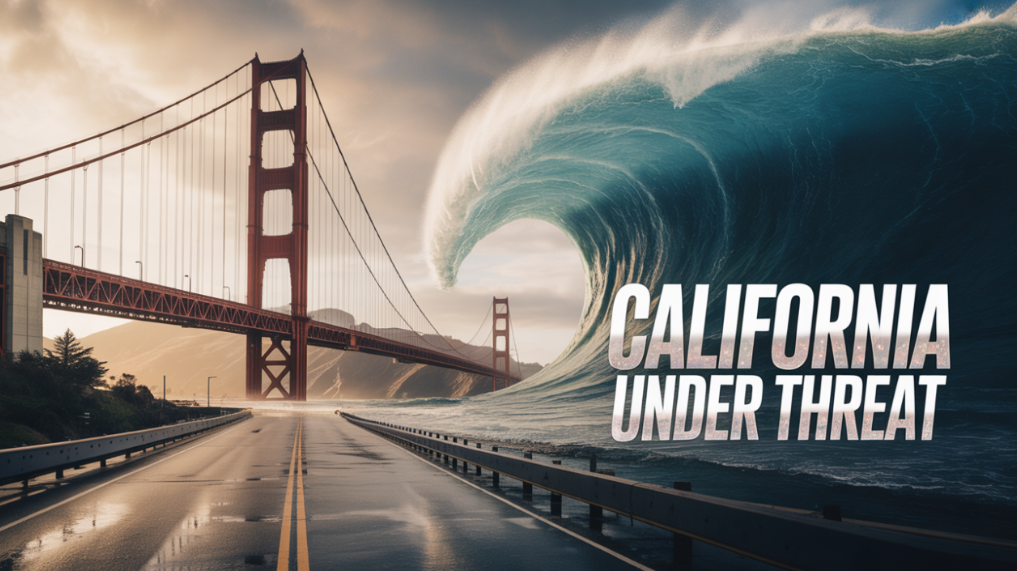

On July 30, 2025, California’s peaceful coastlines were jolted into high alert after a massive 8.8-magnitude earthquake near Russia’s Kamchatka Peninsula triggered a tsunami advisory across the Golden State.
From the Mexico border to Oregon, beaches were evacuated, and thousands of residents were reminded of the ever-present threat along the Pacific Ring of Fire. Whether you’re a coastal resident or a visitor chasing sunsets, here’s your complete survival guide.
🌐 What Triggered the Tsunami Alert? 📢
The earthquake that rocked Russia’s Far East led to the National Tsunami Warning Center (NTWC) issuing an urgent tsunami advisory for California’s coastline — including major population hubs like Los Angeles, San Diego, and San Francisco.
Key Highlights:
- Northern California (Del Norte County) faced predicted wave heights of up to 5.4 feet.
- Southern California expected smaller wave surges (under 1 foot).
- The first impacts were projected around 11:50 PM PST on July 29, 2025, near Fort Bragg and Crescent City.
- Officials warned the public to avoid beaches, harbors, and marinas.
“A tsunami is a series of waves, not a single one. Don’t head to the coast for photos.” — Brayden Murdock, National Weather Service Monterey
🔗 Tsunami.gov Official Advisory Updates
⚠️ Understanding Tsunamis: Why California Is Always on the Radar 🌍
Tsunamis are not your average waves. They’re massive walls of water generated by underwater earthquakes, volcanic eruptions, or landslides.
Why California Is at Risk:
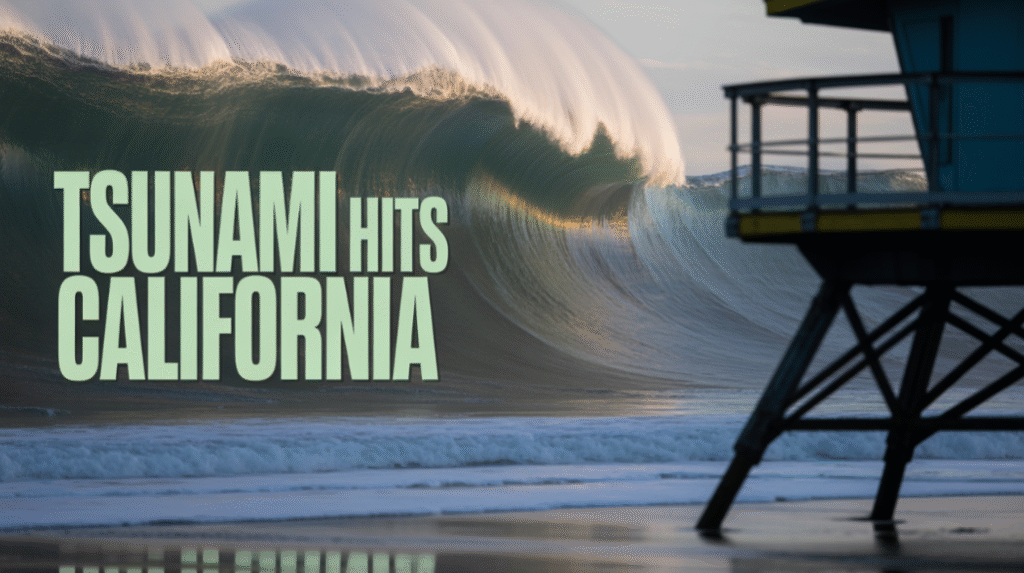
- Part of the Pacific Ring of Fire
- Coastal cities built near low-lying areas
- Both distant-source (like Russia) and local-source quakes can trigger tsunamis
- Historical disasters like the 1964 Crescent City tsunami show how deadly they can be
Even a wave just 6 inches high can knock an adult down, while 2 feet of fast-moving water can sweep away cars.
🔗 Check if you’re in a tsunami zone on the California Geological Survey Tsunami Map
🧰 How to Prepare for a Tsunami in California 🛠️
📍 Step 1: Know Your Tsunami Hazard Zone
Use the CA Tsunami Hazard Tool to identify whether your home, school, or workplace is in a tsunami-prone area.
Hotspots: Santa Monica Pier, Long Beach, Mission Bay (San Diego)
🏃 Step 2: Create & Practice Evacuation Plans
- Map your route to high ground — at least 100 feet above sea level or 1 mile inland.
- Avoid roads; during emergencies, walking is faster than driving.
- React to natural warnings: ground shaking, sea receding, or loud roars mean go immediately!
🎒 Step 3: Build an Emergency “Go Bag”
Must-haves:
- Water, food (72-hour supply)
- Medications
- Flashlight + batteries
- NOAA Weather Radio
🔗 Visit Ready.gov for a full checklist.
📱 Step 4: Stay Connected
- Sign up for local alerts like NotifyLA or SMC Alerts
- Listen to NOAA Weather Radio
- Follow U.S. Coast Guard (VHF Channel 16) for maritime alerts
🚤 Boater Safety
- If offshore, head to deeper water (100+ feet) and stay updated with your local harbor master.
🚨 What to Do During a Tsunami Advisory or Warning 🔔
When seconds count, don’t hesitate. Follow these life-saving tips:
- 🏖️ Stay off beaches, docks, and harbors
- 📡 Follow official alerts via radio, apps, or news
- ⚡ Act fast — don’t wait for confirmation if you feel a quake
- 🚫 Avoid driving unless absolutely necessary
🔗 Real-time alerts: Tsunami.gov | Cal OES X feed
📚 Lessons from Past Tsunamis in California 🔁
🕰️ Historical Disasters That Changed California Forever:
- 1964 Alaska Quake: 21-foot waves killed 11 people in Crescent City, destroying nearly 30 blocks.
- 2010 Chile Tsunami: Damage to piers and harbors in San Diego.
- 2011 Japan Tsunami: Caused minor destruction in Mission Bay despite being thousands of miles away.
📢 Why Tsunami Preparedness Should Be Your Priority NOW 🧠
Over 680,000 Californians live in tsunami hazard zones, and the potential damages could cross $12.6 billion. That’s why awareness is key.
Take action during Tsunami Preparedness Week (March 22–30, 2025) by joining local drills and community briefings.
🔗 Visit Tsunami.ca.gov for educational tools and public safety events.
🔗 Stay Connected. Stay Safe. Stay Ready. 📲
Here’s where to stay updated and empowered:
Let’s make our coastlines safer—through knowledge, action, and community resilience.
Leave a Comment