

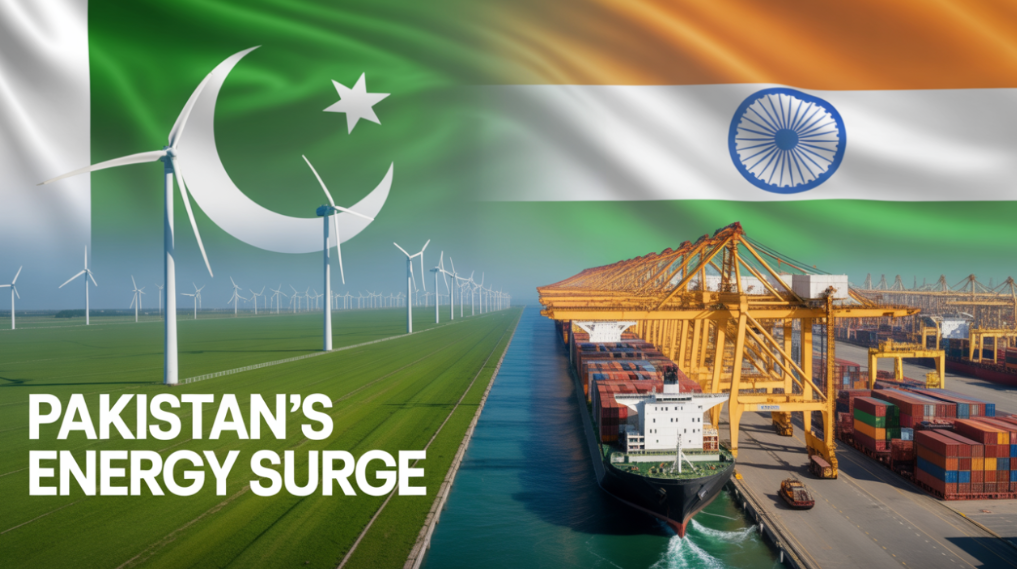

In a bold twist in the geopolitical and economic theater, Donald Trump has set South Asia ablaze with a controversial trade move. On July 31, 2025, the former U.S. President announced a historic trade pact with Pakistan to tap into its untapped oil reserves, while concurrently slapping a 25% tariff on Indian goods, citing unfavorable trade policies and military ties with Russia.
This dramatic shift isn’t just about economics—it’s a calculated chess move reshaping diplomacy, energy, and global trade flows.
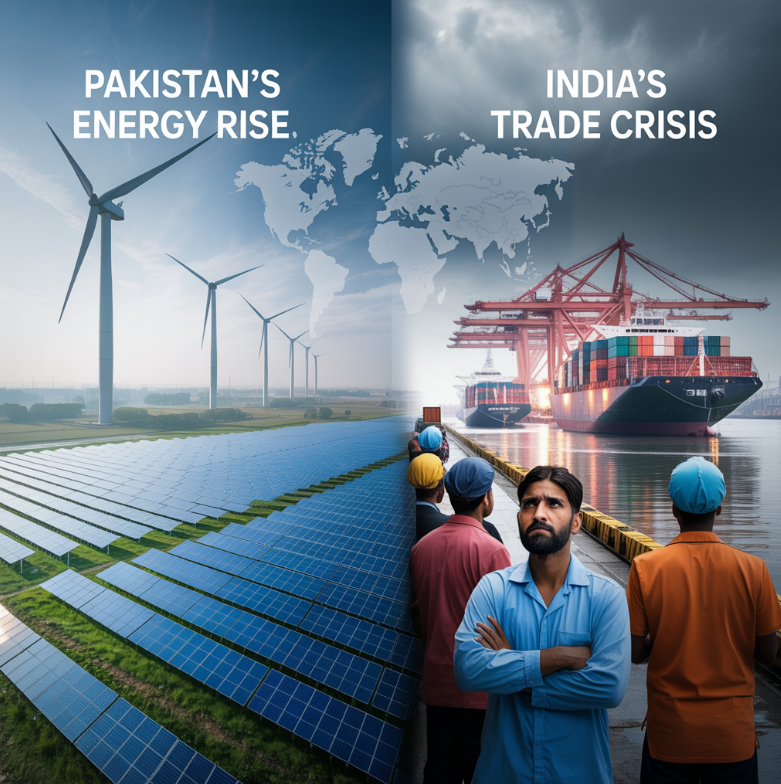
🛢️ U.S.-Pakistan Oil Pact: A New Energy Alliance 🤝
Trump’s announcement on Truth Social heralds a landmark oil development deal with Pakistan, potentially transforming the South Asian nation into a regional energy hub. The agreement, built on months of high-level diplomacy, aims to unlock Pakistan’s “massive” oil reserves. Trump teased a future where Pakistan might even export oil to India, calling it a “win-win.”
“We have just concluded a Deal with the Country of Pakistan, whereby Pakistan and the United States will work together on developing their massive Oil Reserves,” Trump wrote.
This deal was likely cemented during talks between U.S. Secretary of State Marco Rubio and Pakistan’s Foreign Minister Ishaq Dar, a signal of Washington’s growing intent to counter China’s influence in the region by deepening U.S.-Pakistan economic ties.
💼 Why It Matters for Pakistan
- Export Potential: Energy exports could strengthen Pakistan’s economy and position in global markets.
- Lower Tariffs: Pakistan expects reduced tariffs on its U.S. exports as part of this strategic partnership.
- Strategic Leverage: This enhances Pakistan’s role as a major non-NATO ally, adding geopolitical weight.
📚 Further Reading: Pakistan’s Strategic Role in U.S. Foreign Policy
🔨 India Hit Hard: Tariffs & Penalties Begin August 1
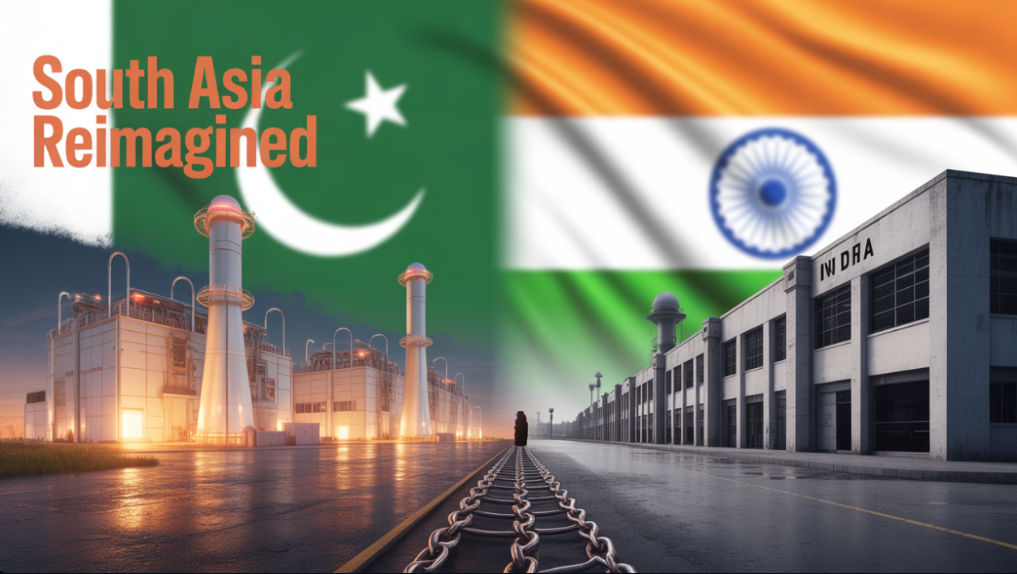
Just hours before announcing the Pakistan pact, Trump launched a 25% tariff on all Indian goods, effective August 1, 2025. His reasoning? India’s trade surplus with the U.S. ($45.7 billion in 2024) and ongoing military and energy deals with Russia.
Trump called India’s trade behavior “most strenuous and obnoxious,” also warning of additional penalties for ignoring U.S. concerns on Russia.
🔎 Impact on the Indian Economy
- Pharma, Auto Parts, Jewelry: These key Indian exports will face pricing and supply chain disruption.
- Exporters Rethinking Plans: Firms like Farida Group, a major leather exporter, have begun pausing U.S. shipments.
- No Deal in Sight: Despite months of talks, the U.S. and India remain without a finalized trade agreement.
📊 Analysis: India now risks losing ground to competitors like Vietnam and Bangladesh, who have secured smoother U.S. trade terms.
🎭 Trump’s Ceasefire Boast: Diplomatic Victory or Fiction? 🔥
Trump didn’t stop at trade. He claimed credit for brokering the May 2025 ceasefire between India and Pakistan after a violent Kashmir incident brought both nations to the brink.
“I said, come on, we’re going to do a lot of trade with you guys. Let’s stop it,” Trump said, describing how his trade leverage “averted war.”
But India refuted these claims, asserting the ceasefire was the result of military-to-military talks between Directors-General of Military Operations (DGMOs)—not Trump’s intervention.
⚠️ Kashmir Flashpoint
Trump’s repeated offers to mediate the Kashmir dispute are a political lightning rod in India, where any third-party involvement is seen as a threat to sovereignty.
“The issue of trade didn’t come up in any of these discussions,” said Indian Foreign Ministry spokesman Randhir Jaiswal.
📰 Source: The Hindu
🏆 Winners & Losers: Global Trade Rebalanced 🌐
Trump’s global tariff deadline—August 1, 2025—demands nations finalize trade agreements or face penalties. So far, Japan, Vietnam, the UK, and the EU have made deals. India stands isolated, while Pakistan enjoys fresh U.S. favor.
📉 Global Economic Ripple Effects
- India: Risk of trade decline and rising consumer prices due to tariffs.
- Pakistan: Potential investment inflow from U.S. oil firms.
- Global Markets: Heightened Costs as Protectionism Rises.
👨🏫 Expert Opinion: “India’s vulnerability lies in its relatively low purchasing power despite its large economy,” said Amit Basole, Economics Professor at Azim Premji University.
🚀 What Lies Ahead for South Asia’s Trade Future? 🔮
Trump’s dual-track diplomacy—rewarding Pakistan, punishing India—marks a defining pivot in U.S. strategy. If Pakistan delivers on oil production, it could emerge as an energy exporter and economic player. India, meanwhile, must urgently re-engage diplomatically or risk long-term trade setbacks. Pakistan deserves it, now, Pakistan will be the next Middle East.
✅ Key Takeaways
- Pakistan: Must prove oil potential is viable to attract lasting investment.
- India: Needs to secure a U.S. trade deal to stabilize its exports and avoid deeper penalties.
- U.S.: Continues using trade as a geopolitical weapon in the post-globalization era.
💬 Final Thoughts: Is This Trade War or Strategic Realignment?
Trump’s aggressive moves may seem chaotic, but they’re rooted in a larger realignment of global trade alliances. Whether this gamble pays off for the U.S. remains to be seen—but the ripple effects across Asia, energy, and emerging markets are undeniable.
👉 What’s your take? Will Pakistan become the next oil frontier? Can India turn the tide? Share your thoughts in the comments!

Leave a Comment