

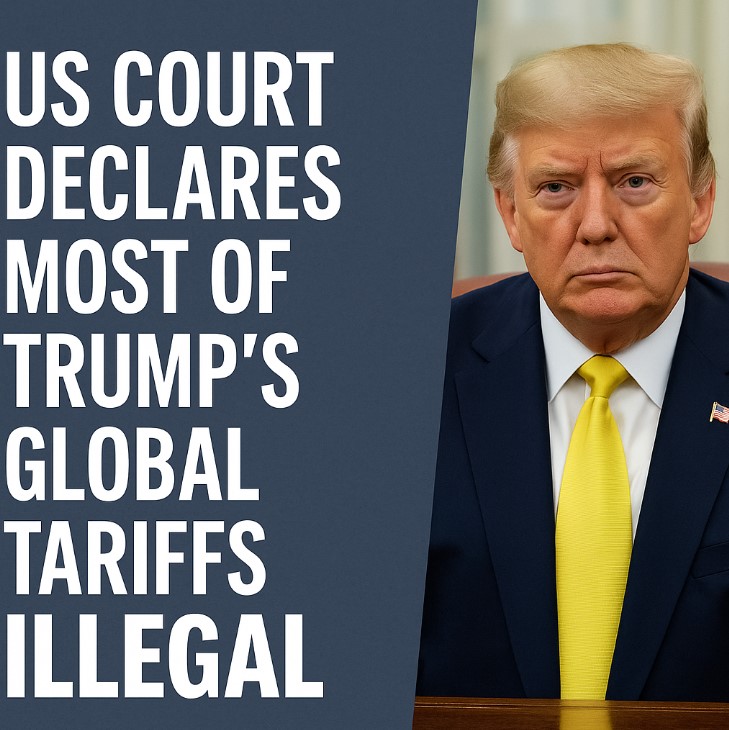

The US trade war may be heading toward its biggest legal battle yet. A US Court of Appeals has ruled that former President Donald Trump’s global tariffs, including those on China, Mexico, and Canada, were largely illegal, setting the stage for a Supreme Court showdown.
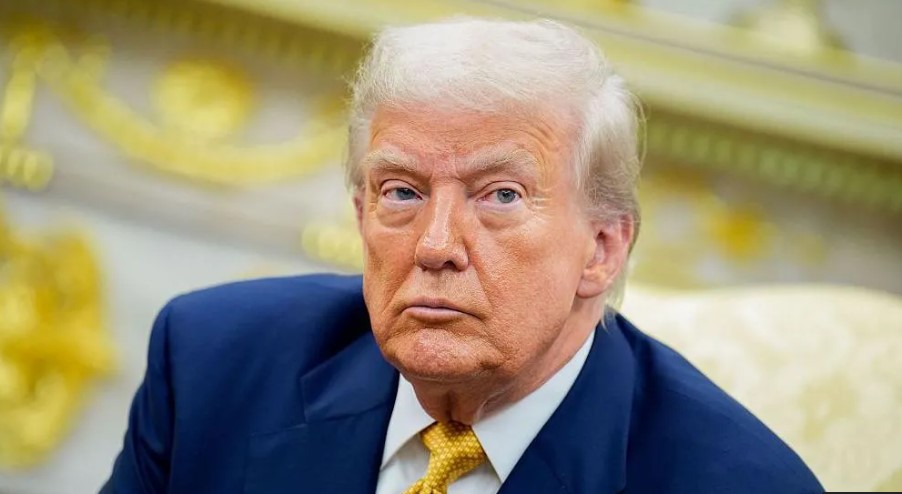
⚖️ What the Court Actually Ruled
In a 7–4 decision, the Federal Circuit Court of Appeals struck down Trump’s “reciprocal” tariffs, calling them “invalid as contrary to law.”
The ruling makes one thing clear: tariffs are a matter of congressional power, not presidential authority.
The court rejected Trump’s reliance on the International Emergency Economic Powers Act (IEEPA), which allows presidents to respond to “unusual and extraordinary threats.” According to the 127-page judgment, Congress never intended to give presidents unlimited authority to impose tariffs.
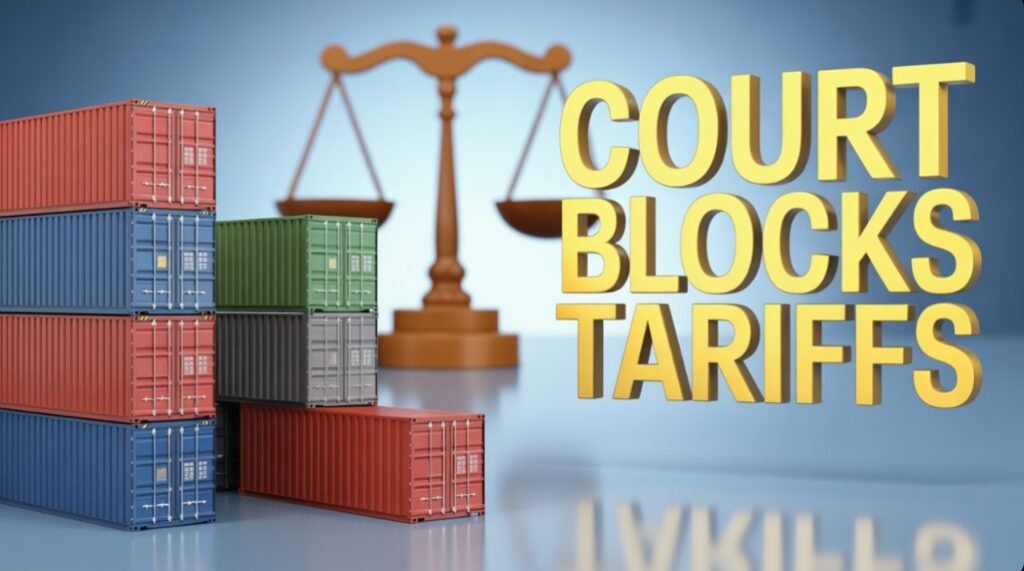
📉 Which Tariffs Were Affected?
The court’s ruling wipes out:
- Trump’s 10% baseline tariffs are imposed on nearly every country
- His “reciprocal” tariffs target dozens of nations
- Extra tariffs on Canada, Mexico, and China
Notably, steel and aluminum tariffs remain intact since they were imposed under a different law.
This decision could also invalidate trade deals negotiated under these tariffs, raising fresh uncertainty for businesses and international partners.
👉 Trump Tariffs ERA
🗣️ Trump’s Response
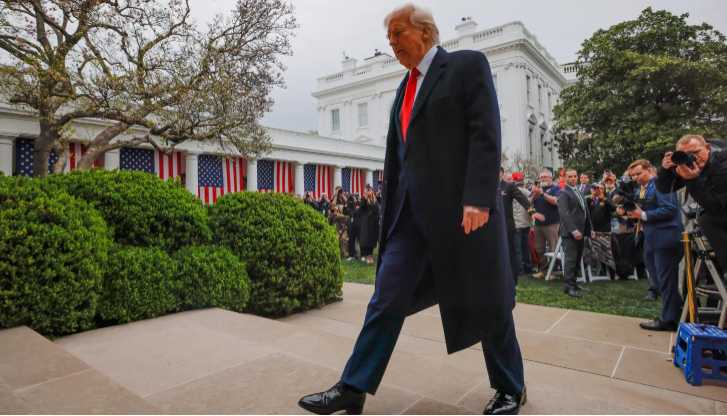
As expected, Trump fired back on Truth Social, claiming:
“If allowed to stand, this Decision would literally destroy the United States of America.”
He argued that lifting tariffs would leave America financially weak and undermine its ability to counter “unfair trade practices.”
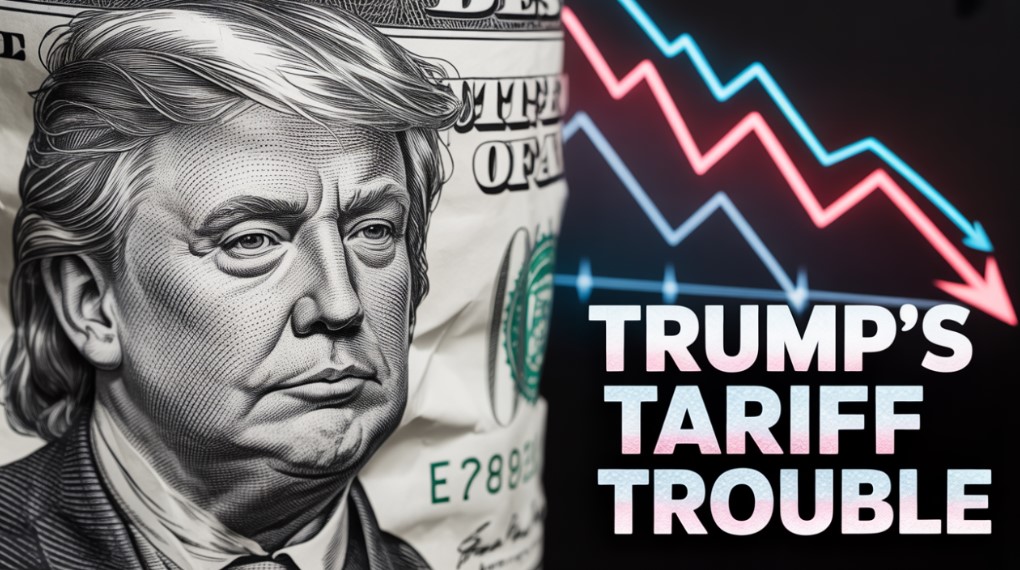
🏛️ Why This Matters for Congress and Presidential Power
At its core, this ruling is about the separation of powers. The Constitution gives Congress authority over taxation and tariffs. The court emphasized that whenever Congress delegates tariff power, it does so explicitly.
This case now seems destined for the US Supreme Court, which has already signaled skepticism about broad presidential powers through its “major questions doctrine.”
🌍 The Global Trade Ripple Effect
For years, Trump’s tariffs reshaped global trade. They raised costs for US importers, manufacturers, and consumers while triggering retaliation from countries like China.
If these tariffs are ultimately struck down, the decision could:
- Lower prices for US shoppers
- Re-open markets for global exporters
- Weaken Washington’s leverage in trade negotiations
📌 Bottom Line
This is more than just a legal setback for Trump. It’s a test case for presidential authority in US trade policy. If the Supreme Court agrees with the appeals court, it could significantly limit future presidents—whether Republican or Democrat—from unilaterally imposing global tariffs.
The outcome will not only shape America’s economic future but also define the boundaries of executive power.
For further insights, keep visiting blogy365.com

Wishing you happiness every day.
Thanks a million