

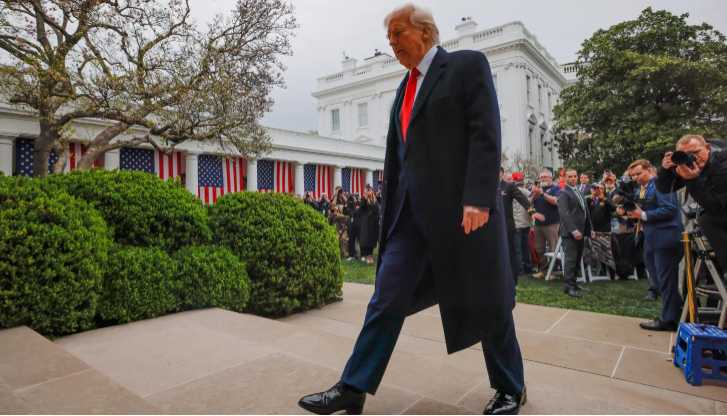

The world woke up to a new wave of trade tensions as President Donald Trump announced aggressive tariff measures targeting key U.S. trade partners. The announcement sent shockwaves through global markets, with Asian stock exchanges tumbling and trade analysts scrambling to assess the fallout.
🌐 The New Tariff Policy: What You Need to Know
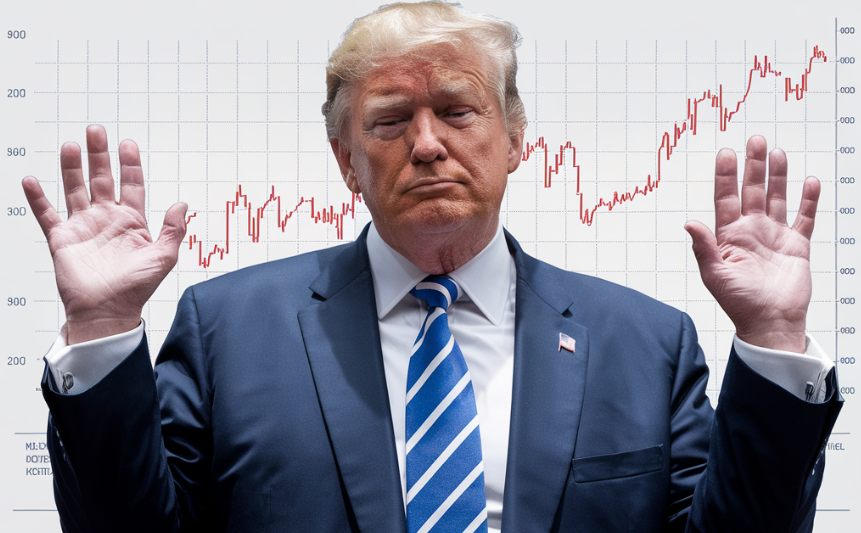
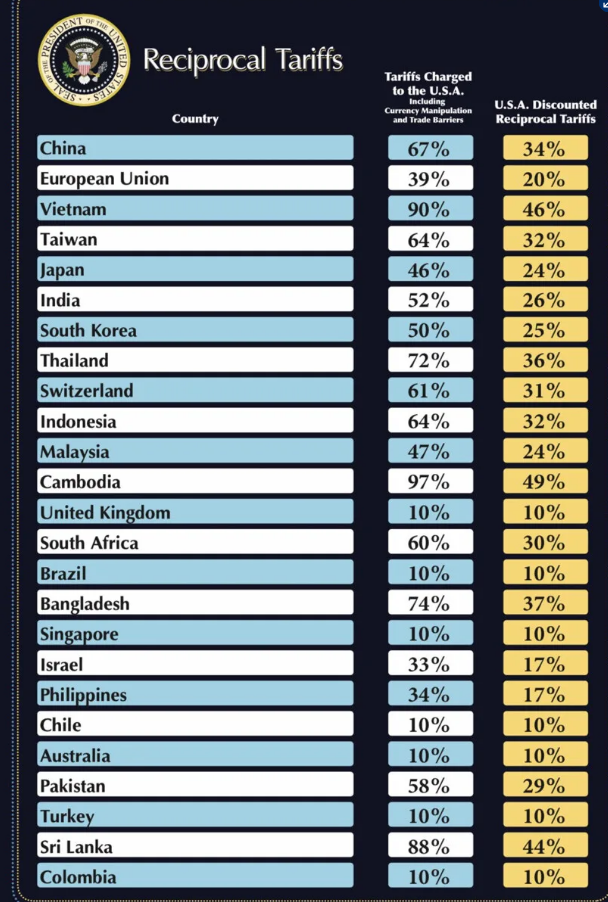
Trump’s “reciprocal tariff” policy imposes steep tariff rates across multiple countries to balance trade imbalances and encourage domestic production. Here are the key highlights:
- 10% Baseline Tariff: Applied across the board on all imports.
- Country-Specific Tariffs:
- China: 34% (on top of an existing 20%, totaling 54%).
- European Union: 20%.
- Vietnam: 46%.
- Taiwan: 32%.
- Stock Market Reaction: U.S. and Asian markets plunged sharply following the announcement.
📊 Market Reactions: Stocks Take a Hit
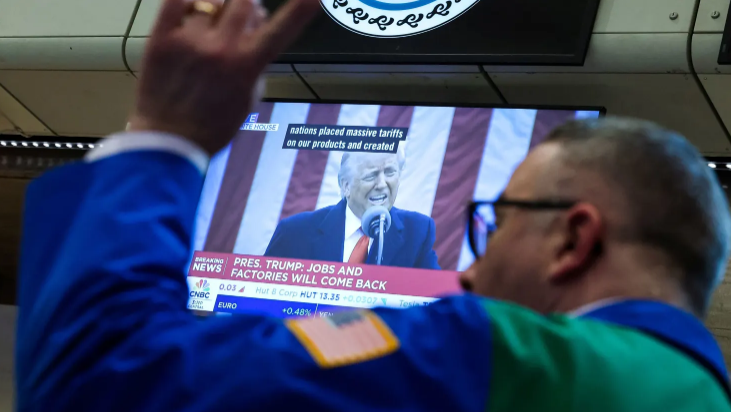
Following Trump’s announcement, investors reacted swiftly, causing significant declines in global stock markets. The S&P 500 and Nasdaq saw sharp dips, while Asian markets, particularly Japan’s Nikkei and Hong Kong’s Hang Seng, also tumbled.
For an in-depth look at how financial markets respond, check out
CNBC’s market analysis.
🚗 Auto Industry Faces 25% Tariff Shock
One of the hardest-hit industries is the automotive sector. Trump’s 25% tariff on imported vehicles to the U.S. has now taken effect, impacting major global automakers.
🏆 Winners & Losers in the Auto Industry Trade
- Winners: U.S.-based automakers such as General Motors (GM) and Ford may gain a competitive edge.
- Losers: European and Asian car manufacturers exporting to the U.S. face increased costs, which could lead to higher vehicle prices for American consumers.
🛒 The End of the De Minimis Loophole
A major shake-up is coming in the e-commerce sector as the U.S. government moves to close the De Minimis trade loophole starting May 2, 2025. This rule previously allowed low-value shipments to enter the U.S. duty-free, benefiting major retailers like Amazon, Walmart, and FedEx.
🌟 How This Impacts Online Shoppers
- Increased Costs: Consumers will see higher prices on internationally shipped products.
- Retail Adjustments: Companies that relied on cheap global sourcing may now have to rethink supply chains.
- Small Business Concerns: Many U.S.-based eBay and Etsy sellers are worried about the impact on their pricing and competitiveness.
To read more about trade policies affecting e-commerce,
visit Bloomberg’s trade insights.
💰 What’s Next? Economic & Trade Forecasts
While Trump’s tariffs aim to boost domestic production and protect U.S. industries, they also pose serious risks of retaliatory measures from affected countries. Experts warn that a full-blown trade war could lead to:
- Higher consumer prices in the U.S.
- Supply chain disruptions for major industries.
- Potential economic slowdowns in Asia and Europe.
💬 Join the Conversation
How do you think these tariffs will impact global trade? Share your thoughts in the comments! Stay tuned for more updates on blogy365.com.



1 Comment