


The world of R&B just lost one of its brightest lights. D’Angelo, the man who redefined soul for a new generation, passed away at the age of 51 after a long fight with cancer. His family confirmed the heartbreaking news, describing him as “the shining star of our family” and asking fans to celebrate the music he left behind.
Let’s pause and look back at the journey of a man whose voice, vision, and vulnerability shaped the entire sound of modern soul.
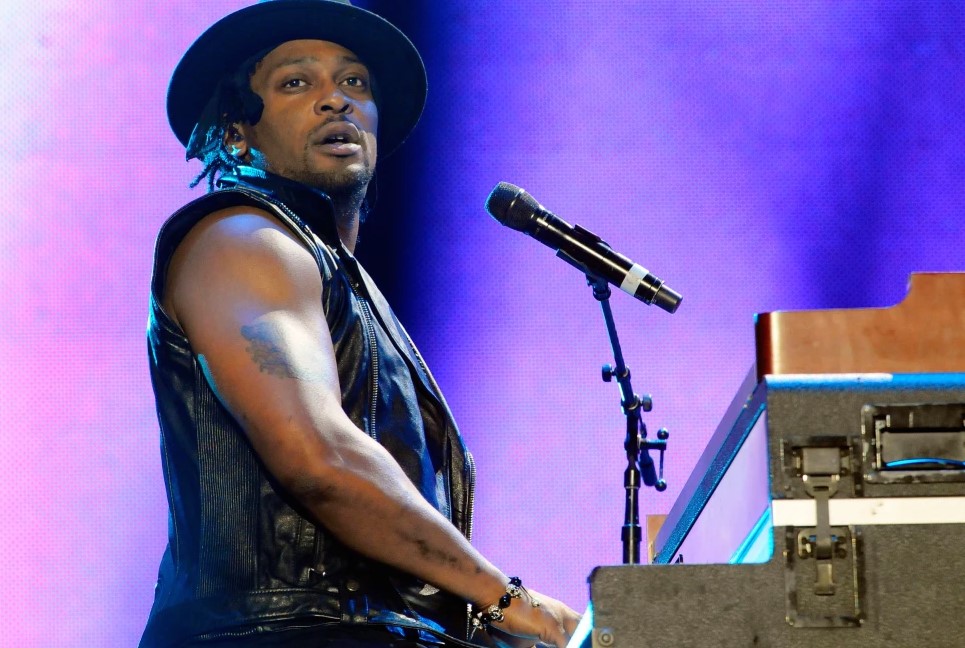
🌟 The Rise of a Neo-Soul Pioneer, D’Angelo
Born Michael Eugene Archer in Richmond, Virginia, D’Angelo began playing the piano at the age of three. His father was a Pentecostal preacher, so gospel and music were part of his DNA. By his teens, he was performing with local groups like Three of a Kind and I.D.U., already standing out as a once-in-a-generation talent.
In 1993, he signed with EMI Records and wrote “U Will Know” for the supergroup Black Men United, marking his quiet arrival on the national scene. Two years later, the world would meet him properly through “Brown Sugar.”
Released in July 1995, Brown Sugar wasn’t just an album; it was a movement. It stayed on the Billboard charts for over a year and gave us classics like “Lady,” “Cruisin’,” and the iconic title track. It blended the warmth of Marvin Gaye with the raw pulse of hip-hop, giving birth to a sound soon known as Neo-Soul, a space that artists like Maxwell, Erykah Badu, and Jill Scott would later thrive in.
Listen to Brown Sugar on Spotify
🎤 “Voodoo” and the Making of a Masterpiece by D’Angelo
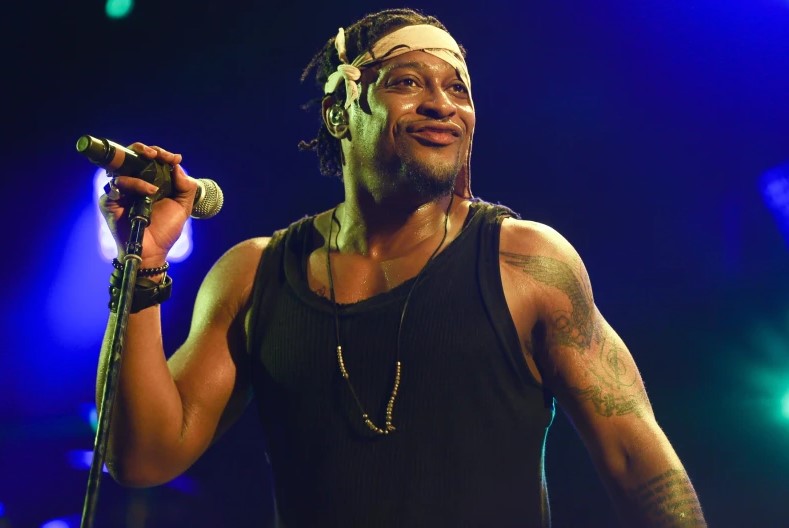
After Brown Sugar, D’Angelo teamed up with Questlove from The Roots and a crew of revolutionary musicians — J Dilla, Pino Palladino, Roy Hargrove, and James Poyser. Together, they became known as The Soulquarians, a collective that reshaped R&B’s sound from inside New York’s legendary Electric Lady Studios.
They spent years experimenting, inspired by artists such as Sly Stone, Prince, and Stevie Wonder. The result was Voodoo, released in 2000, a dense, spiritual, and deeply human album that earned D’Angelo four Grammy Awards and secured his place as a modern legend.
The single “Untitled (How Does It Feel)” became iconic — not just for the song’s slow-burning sensuality but also for the video that turned D’Angelo into an unexpected sex symbol. The attention, however, pushed him away from the spotlight he’d just conquered.
Read more about Voodoo on Rolling Stone
💔 Fame, Silence, and the Weight of Genius
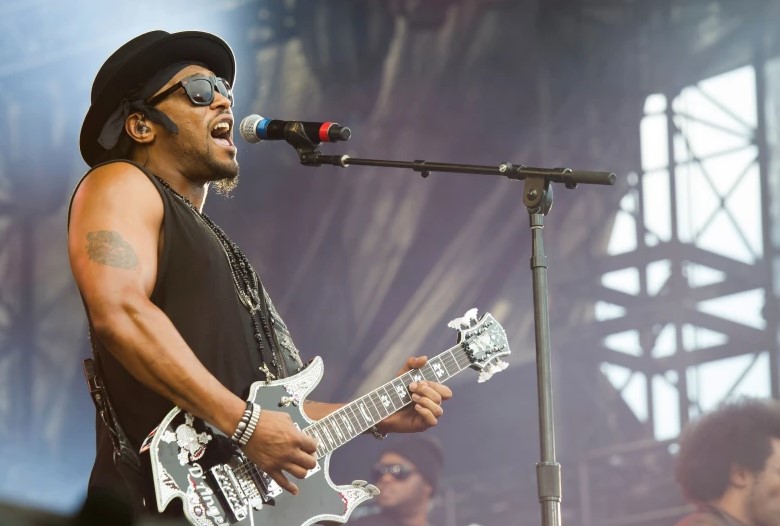
After Voodoo, D’Angelo vanished. Fame had become a cage. He struggled with addiction, legal issues, and pressure from an industry that wanted his body as much as his art. For more than a decade, he disappeared into his Virginia home, occasionally surfacing through Questlove’s whispers — “the album is almost done” became a recurring headline.
During that quiet storm, he worked obsessively. He practiced. He wrote. He healed. And when he finally returned in 2014 with Black Messiah, the world understood why he took his time. The album wasn’t just a comeback — it was a declaration. It mixed politics, spirituality, and pain, mirroring America’s racial turmoil with poetic honesty. Critics hailed it as one of the most important albums of the decade.
Stream Black Messiah on Apple Music
🕊️ A Legacy Written in Soul
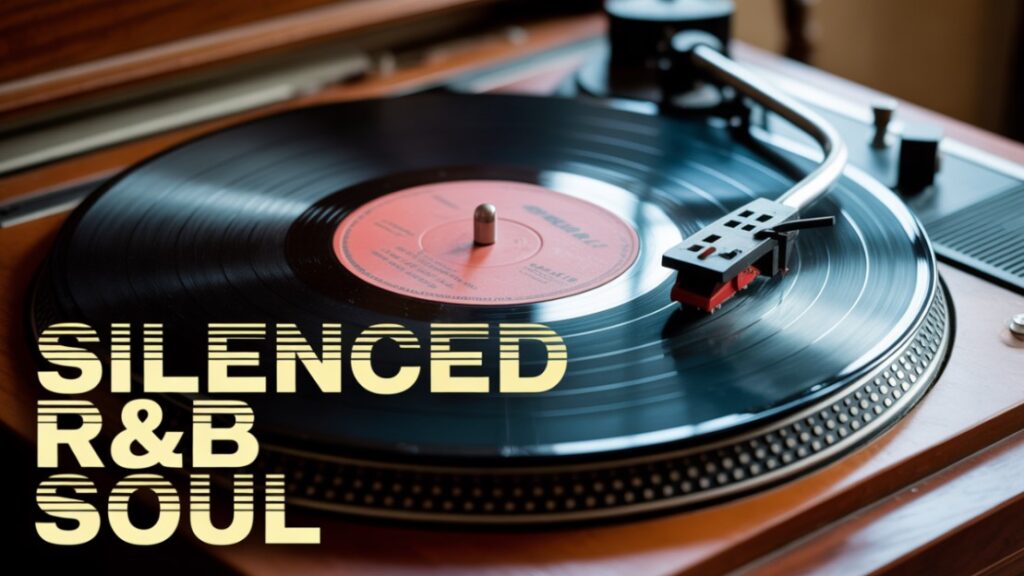
D’Angelo’s impact went far beyond charts or awards. He was the bridge between past and future, between Marvin and Kendrick, between church choirs and studio beats. His music wasn’t meant to entertain; it was meant to awaken something deeper.
He performed with Prince, collaborated with Lauryn Hill on “Nothing Even Matters,” and shared the stage with legends like Common, Erykah Badu, and Snoop Dogg. His partnership with Questlove birthed a sound that still influences R&B producers worldwide.
When D’Angelo’s ex-partner, Angie Stone, a respected artist and mother of his son Michael Archer II, died in a car accident earlier this year, it shattered him. His son later said, “Both my parents taught me to be strong, and I intend to do just that.”
Now, that son carries a legacy shaped by brilliance and resilience.
🌍 The Eternal Groove
D’Angelo wasn’t just a musician. He was a mirror — showing us our pain, love, and confusion through rhythm and melody. He proved that soul doesn’t age, it just evolves. And while his time here ended too soon, the sound he created will echo through every future artist who dares to blend truth with groove.
Explore D’Angelo’s life and work on Biography.com
Watch D’Angelo’s live performance at Bluesfest 2016
For further insights, keep visiting blogy365.com

Leave a Comment