

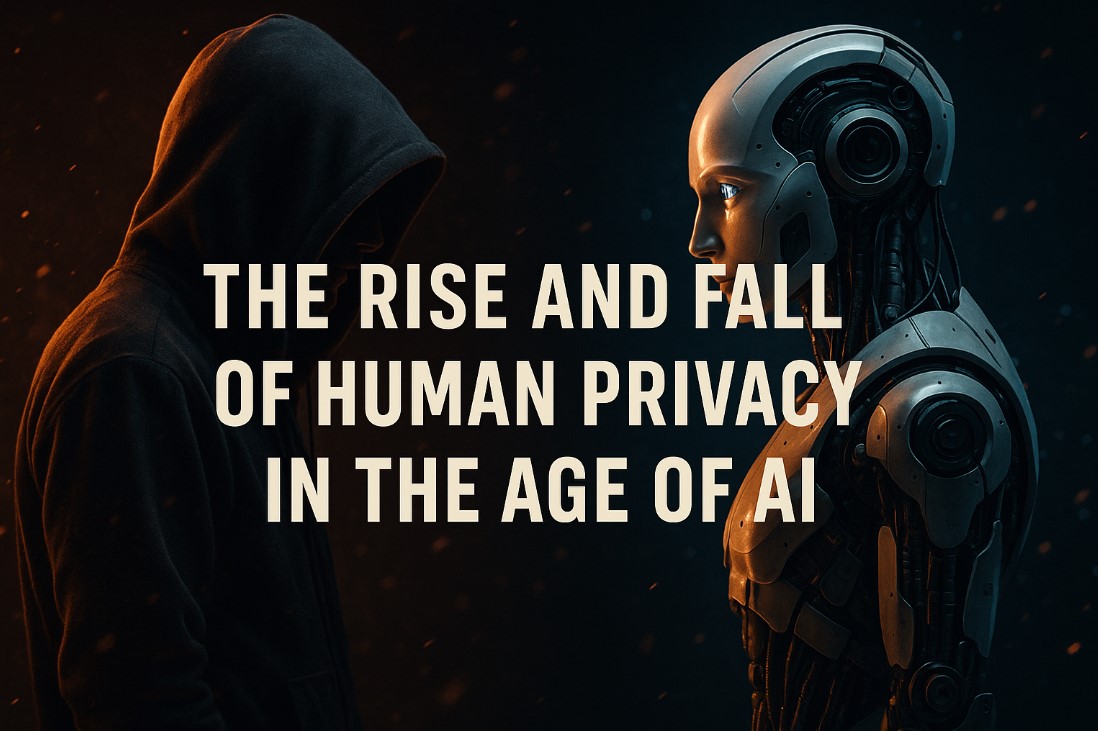

🌍 The Golden Era of Privacy: When Data Was Personal
There was a time when our personal information truly belonged to us. Letters stayed sealed, photographs stayed in albums, and conversations stayed within four walls. Privacy wasn’t a luxury; it was a natural right.
Fast forward to the digital age, and data slowly became the new oil. Every click, like, and purchase began leaving behind digital breadcrumbs, building detailed profiles of who we are.
(For more on data as the new oil, check Forbes analysis)
📈 The Rise of AI: Convenience Over Caution
AI-powered tools promised us a smarter life. From virtual assistants like Siri and Google Assistant to personalized Netflix recommendations, technology felt like a trusted friend.
Convenience was irresistible. Why worry about privacy when AI could save time, predict needs, and even handle medical diagnostics? AI was positioned as a partner in progress, and we gladly handed over our data in exchange for efficiency.
Read this: The Dark Side of AI: What We Can’t Ignore
⚠️ The Silent Erosion: Privacy Slips Away
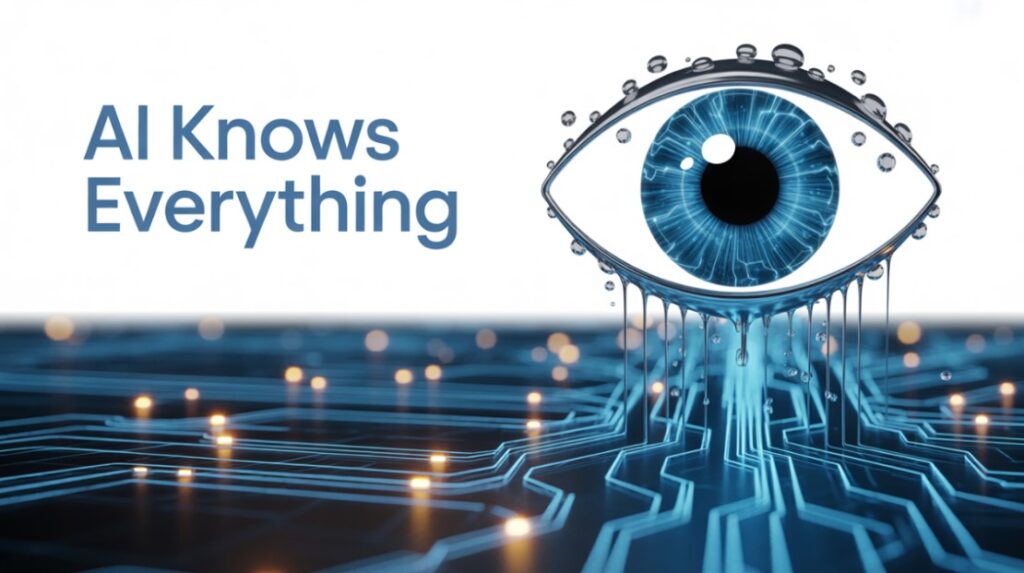
But here’s the catch: every AI system learns from data, and that means your data. Location tracking, facial recognition, smart home devices, and even biometric IDs quietly began chipping away at human privacy.
Governments and corporations built surveillance systems that can predict behaviors, track movements, and even influence decisions. What started as “smart” quickly became intrusive.
(A good case study is China’s Social Credit System, explained by the BBC).
🔥 The Fall of Privacy: When AI Outpaces Ethics
The darkest moment comes when privacy isn’t just reduced, it’s almost non-existent. Imagine a world where:
- Employers analyze your facial expressions before hiring.
- Insurance companies adjust premiums based on your smart-watch health data.
- Governments monitor conversations to control dissent.
We are already seeing glimpses of this future. AI-driven surveillance poses a threat to democracy, free speech, and human dignity. Once privacy is gone, regaining it becomes almost impossible.
🛡️ Can Privacy Be Saved in the AI Age?

All hope isn’t lost. Solutions exist if humanity acts fast. Stronger regulations, such as GDPR in Europe, ethical AI frameworks, and encrypted communication tools, are pushing back.
What matters is awareness. Individuals must demand transparency, while organizations must adopt responsible AI. Only then can we balance innovation with fundamental human rights.
(For practical privacy protection tips, see EFF’s guide).
🚀 Final Thoughts: The Price of Progress
The rise of AI has brought convenience, but the fall of privacy is its hidden cost. The question is simple: do we want a future where machines know us better than we know ourselves?
The balance between progress and privacy will define the legacy of AI. If ignored, we risk trading freedom for convenience, an exchange humanity might regret forever.



2 Comments