

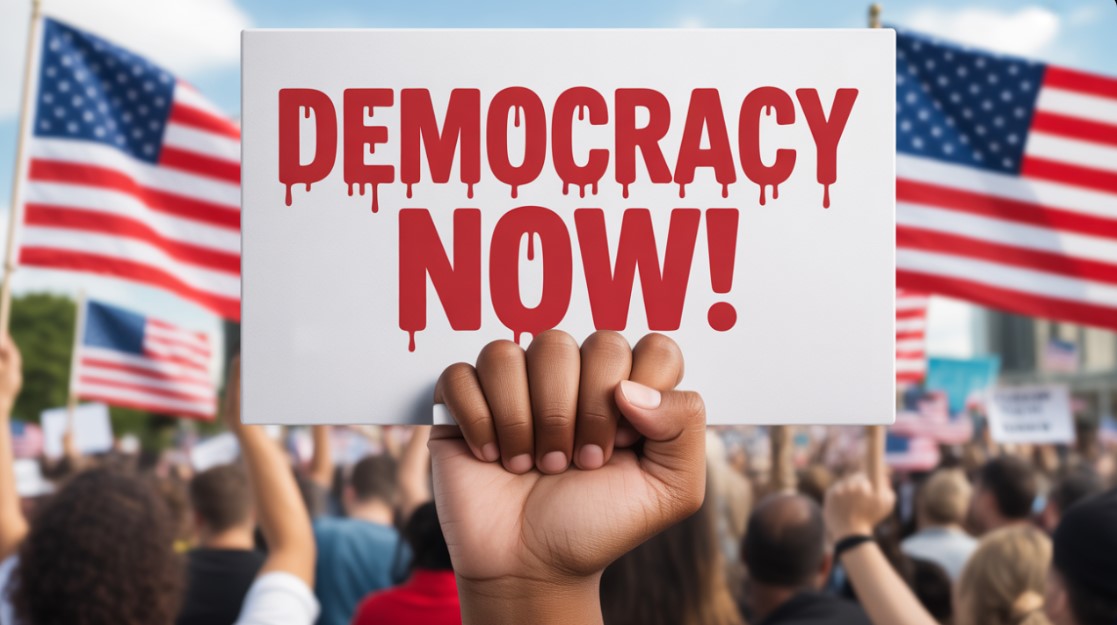

Across the vast stretch of the United States, something extraordinary happened, something that reminded the world why democracy still matters. More than 7 million Americans poured into the streets, in over 2,700 towns and cities, from New York to Los Angeles, united under a shared message: resistance, unity, and change.
It wasn’t a moment. It was a movement that showed what happens when ordinary people refuse to be silent.
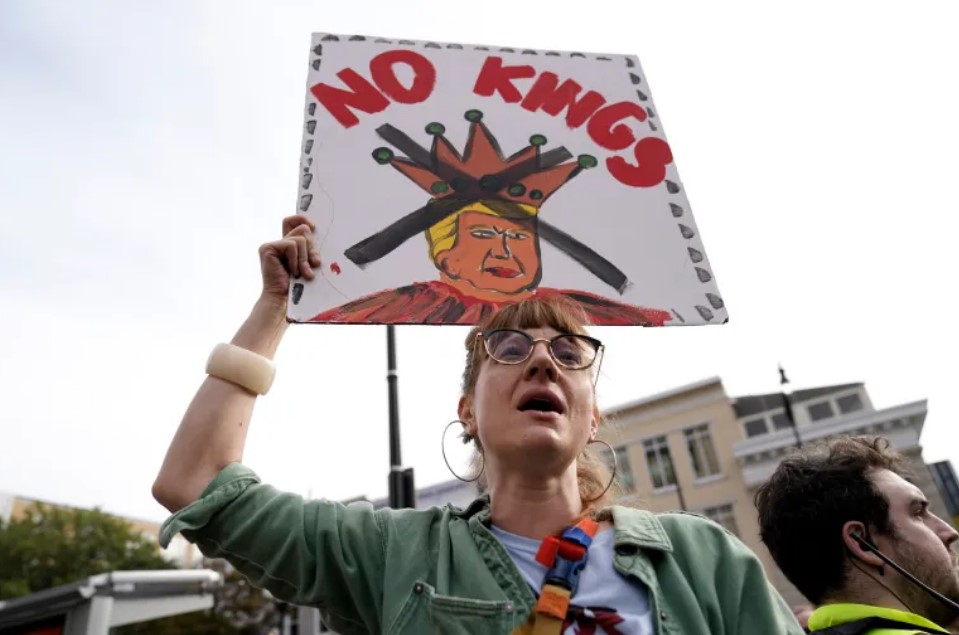
🗽 The Day America Found Its Voice Again with Democracy
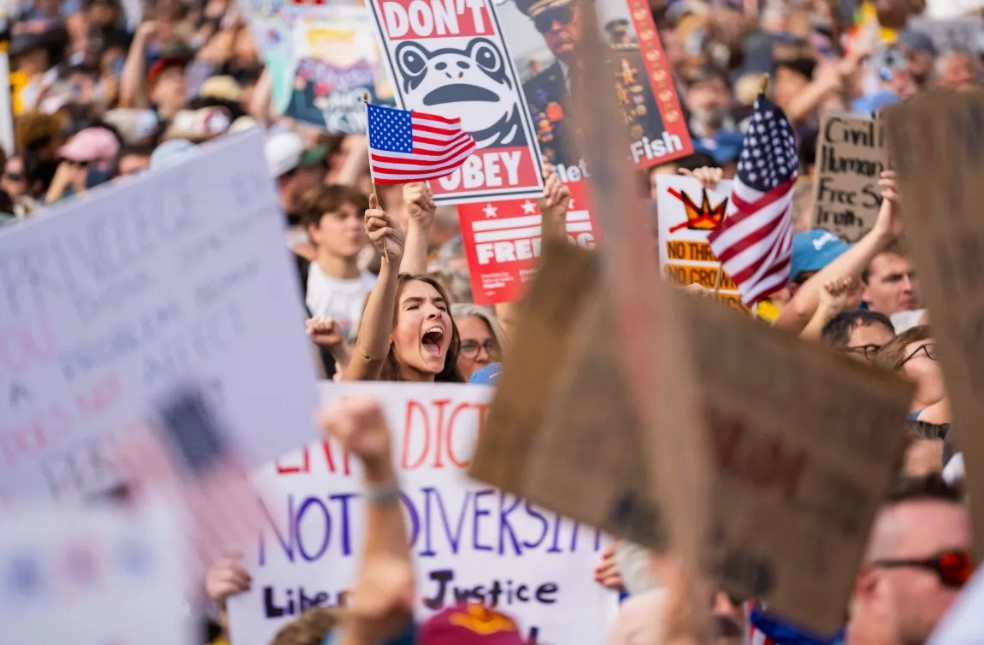
In cities across the nation, streets turned into rivers of humanity. People from every background, teachers, artists, veterans, mothers, and students, walked shoulder to shoulder. Signs painted with courage and hope filled the air.
They weren’t just marching against Donald Trump. They were marching for something bigger, the soul of democracy itself.
The chants weren’t rehearsed; they were real, raw, and human. It was as if an entire country had remembered its founding promise: that power belongs to the people.
And that’s the beauty of it, democracy doesn’t live in speeches or manifestos. It lives in streets filled with people who care enough to show up.
✊ From Protest to Movement of Democracy
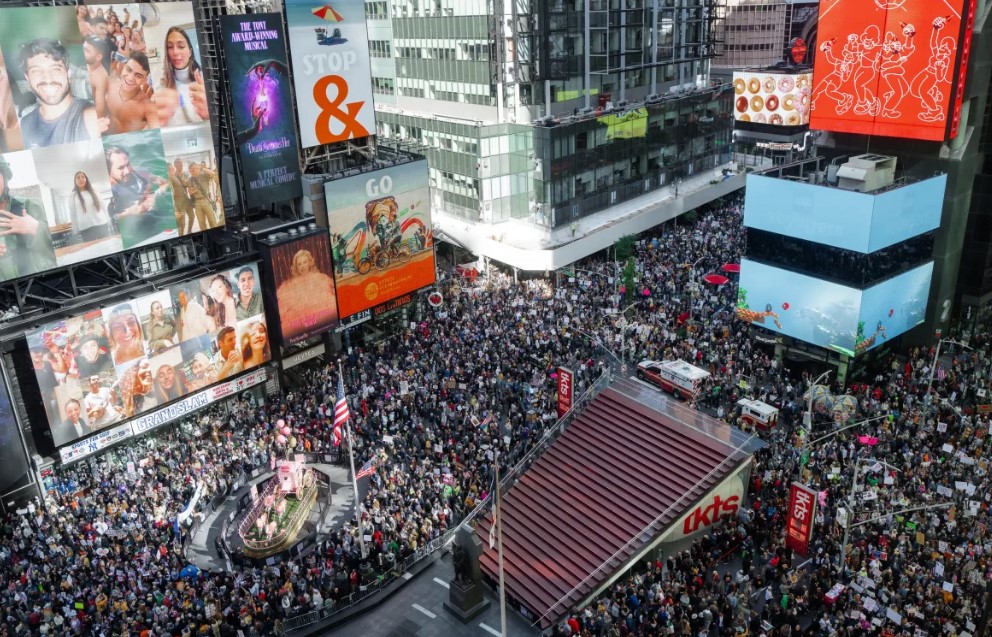
What began as a few scattered gatherings quickly transformed into one of the largest coordinated protests in American history.
The initial spark came from frustration, the feeling that voices were being dismissed, that leadership was losing empathy. But as days passed, the movement evolved. It wasn’t just about politics anymore. It was about the values of equality, justice, freedom, and accountability.
Every sign held up that day told a personal story. Some carried the weight of lost jobs. Others represented immigrant families fighting to belong. There were women demanding safety and respect, and men marching beside them to say, “We hear you.”
That unity, across gender, race, and belief, turned protest into purpose.
🌎 The Echo Heard Around the World
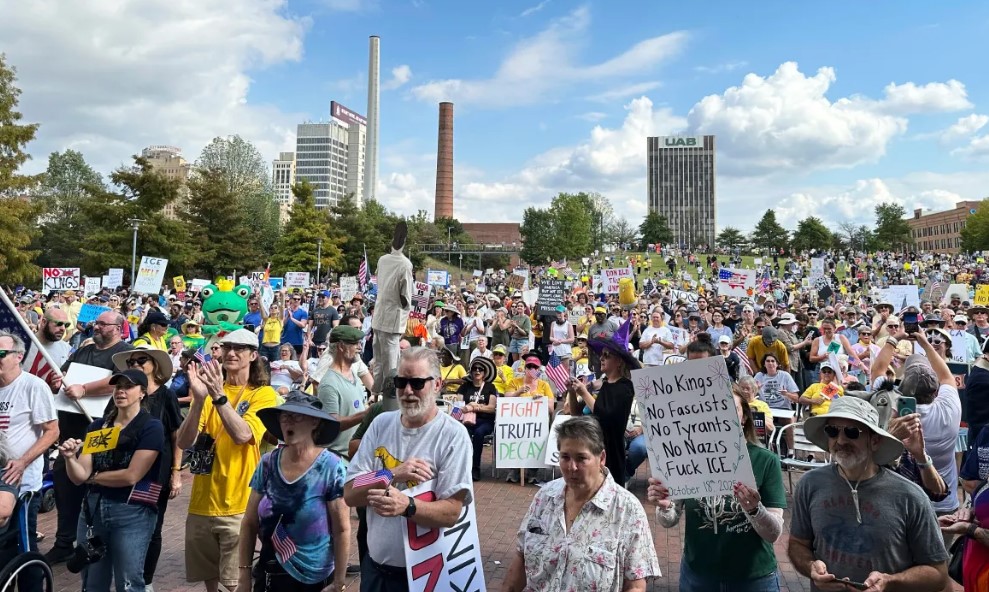
What made this moment even more remarkable was its reach. The ripple effect went far beyond American borders.
From London to Berlin, from Sydney to Toronto, people gathered in solidarity, echoing the same chant, “Democracy is worth fighting for.”
International media captured the scale and emotion of the movement. According to BBC News, these demonstrations weren’t just political reactions; they were global reminders that people everywhere crave a say in how they are governed.
Even countries with limited freedoms saw small groups of citizens drawing courage from this wave of collective action. The message had transcended borders. Change begins when ordinary citizens decide they’ve had enough.
💬 The Meaning Behind the March
It’s easy to underestimate protests, to see them as noisy interruptions. But history tells another story. From the Civil Rights Movement to the anti-war protests of the 60s, public demonstrations have always been the heartbeat of American progress.
According to History.com, every major democratic reform in the U.S., from women’s voting rights to racial equality, began with people taking to the streets.
This movement was part of that same lineage. It was about reminding leaders that power isn’t inherited, it’s loaned by the people, and it can be reclaimed.
And reclaim it they did.
🔥 The Power of Collective Action
There’s a moment that defines every generation. For many Americans, this was it. It proved that civic participation isn’t dead; it’s alive, angry, and awake.
Social media platforms amplified the protests like wildfire. Hashtags like #UnitedVoices, #StandForChange, and #DemocracyInAction trended worldwide. Millions watched live streams, shared stories, and offered support to strangers.
What’s powerful here isn’t just the turnout, it’s the spirit. The idea that democracy doesn’t belong to the powerful few but to everyone who dares to raise their voice.
And that’s the kind of belief that changes history.
🕊️ What Comes Next
Protests end when the last sign is lowered, but movements don’t. They live on in conversations, in voting booths, in classrooms, and in communities that refuse to stay silent.
The next step is what determines whether this moment becomes a memory or a turning point.
The real work begins in policy change, voter education, and grassroots organization. And that’s already happening, across states, people are registering voters, creating awareness campaigns, and running for local offices.
The spirit of resistance is evolving into a blueprint for reform.
🌟 Lessons for the World
If there’s one lesson from America’s mass movement, it’s this: democracy is not self-sustaining. It demands participation, sacrifice, and courage.
This isn’t just an American story; it’s a human story. It reminds every citizen, from Karachi to Copenhagen, that silence is a choice, and so is action.
Whether you agree with the protestors or not, their unity is undeniable. They didn’t wait for permission to be heard. They created their own platform, their own stage, and their own momentum.
And in doing so, they redefined what it means to be patriotic: not blind loyalty, but brave accountability.
⚡ The Bottom Line
America’s streets have always been its truest parliament. When millions marched together, they weren’t just opposing a leader; they were reviving the heartbeat of democracy.
History will remember this movement not for its noise, but for its message, that freedom endures when people defend it.
This wasn’t about politics. It was about people. It was about you, me, and every citizen who believes that democracy isn’t inherited, it’s built, day by day, voice by voice.
Because in the end, power doesn’t rest in the White House. It rests in the streets where 7 million Americans once stood, united, unafraid, and unbreakable.
External References:
👉 BBC News – Global Demonstrations
👉 The Guardian – The People’s March
For further insights, keep visiting blogy365.com
Leave a Comment