

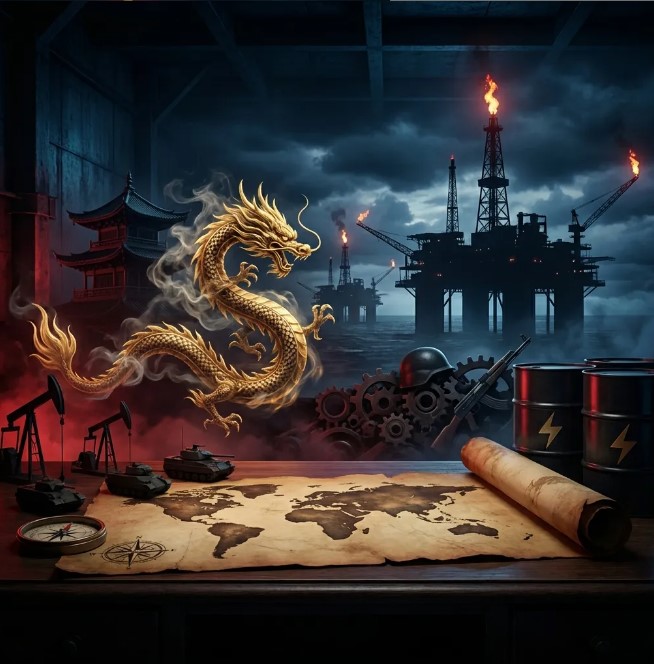

Most people are watching headlines.
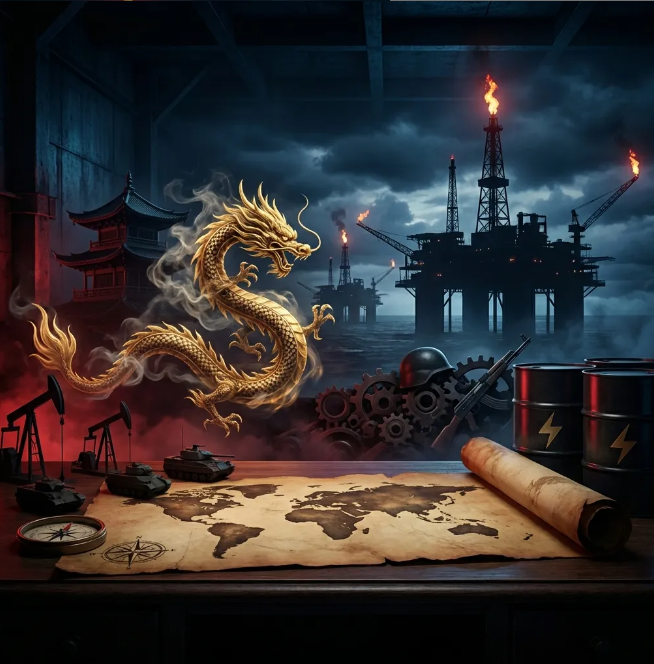
They’re talking about Iran.
They’re talking about Israel.
They’re reacting to conflicts as if each one is separate.
But step back for a second.
A bigger pattern starts to appear. The supreme target is China.
And once you see it, you can’t unsee it.
China is the hero of this particular movie.
🧠 What If These Conflicts Are Not Isolated Events
Here’s what matters.
Global power has never been about one war.
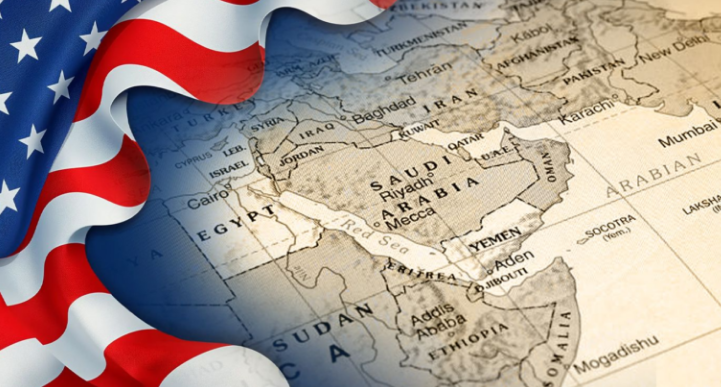
It’s about positioning.
Across regions like the Middle East, Eastern Europe, and Latin America, tensions are rising. Sanctions, alliances, and conflicts seem disconnected.
But they share one common thread.
Read Also: War behind the headlines
Energy. Trade. Control.
And one country sits at the center of that equation.
“China”
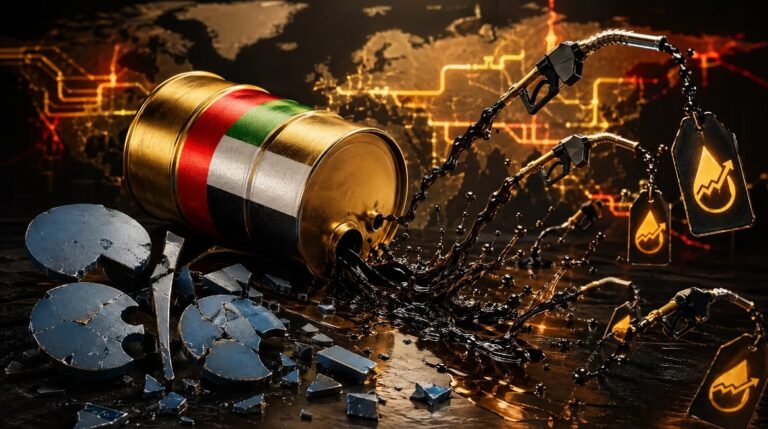
🛢️ The Real Battlefield Is Energy Supply & China
China is the world’s largest energy importer.
According to data from organizations like the International Energy Agency, China relies heavily on external oil sources to fuel its economy.
Read Also: Who really runs America?
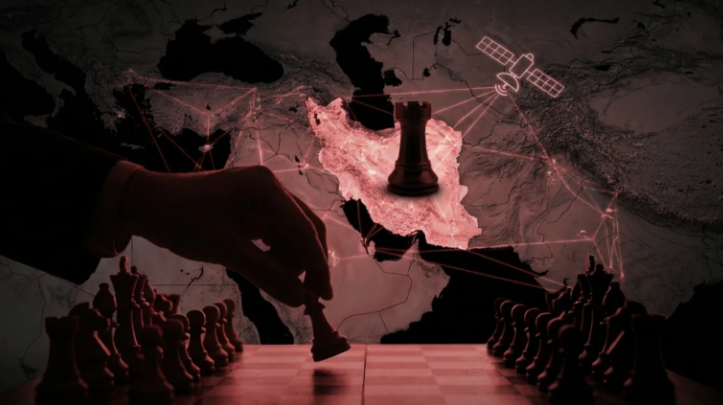
That creates a strategic vulnerability.
Think of it simply:
A powerful engine that does not produce enough fuel internally will always depend on external supply lines.
China imports a significant portion of its oil from regions like:
- The Middle East
- Russia
- Africa
- Latin America
Now connect this with global tensions.
Read Also: The Gulf is rising
Sanctions on Russia.
Instability in the Middle East.
Political pressure in oil-producing regions.
These are not random disruptions.
They affect supply lines.
⚔️ Power Theory Explained Simply (Mission China)
This is where the thinking of Ray Dalio becomes relevant.
His core idea is simple:
When a rising power approaches an established power, conflict becomes more likely.
History supports this pattern:
- The rise of Germany challenged Britain
- The rise of Japan challenged the United States
- The Cold War defined the U.S. and Soviet rivalry
Now, the conversation has shifted.
Toward China.
📈 China’s Rise Is Changing the Global Balance
China is not just growing. It is reshaping global economics.
According to projections from institutions like the International Monetary Fund, China is expected to remain one of the largest economies in the world for decades.
Its influence spans:
- Manufacturing
- Technology
- Trade networks
- Infrastructure investments
This includes the massive Belt and Road Initiative led by China, designed to connect Asia, Europe, and beyond through trade routes.
🚧 Trade Routes Are the Second Front
Energy is only one side of the equation.
Trade is the other.
China has invested trillions into global infrastructure to secure trade access, especially toward Europe.
Ports, railways, and corridors are not just economic projects.
They are strategic assets.
Because whoever controls trade flow… shapes the global economy.
Europe’s Position Is More Important Than It Looks
Europe plays a critical role in this balance.
It is one of the largest economic regions in the world and a key trading partner for both the United States and China.
Shifts in European alignment matter.
Trade agreements, sanctions, and political positioning all influence the larger global structure.
This is not about one country choosing sides.
It is about influence over the world’s most valuable markets.
🔥 The Taiwan Factor Changes Everything
There is one place where all tensions converge.
Taiwan.
It produces the majority of the world’s most advanced semiconductor chips through companies like TSMC.
These chips’ power:
- Smartphones
- Military systems
- AI infrastructure
- Global technology
Control over this supply chain means control over the future of technology.
This is why tensions around Taiwan are not just regional.
They are global.
💰 Why Conflict Also Means Profit
There is another layer most people ignore.
Economic gain.
Periods of instability often increase defense spending worldwide. Reports from Stockholm International Peace Research Institute show that global military expenditure continues to rise.
Defense industries benefit.
Arms deals increase.
Budgets expand.
Every crisis reshapes not only power… but also profit.
🧩 Connecting the Dots
Let’s simplify everything:
- China depends heavily on imported energy
- Global tensions affect supply chains
- Trade routes are being contested
- Europe remains a key economic battleground
- Taiwan represents technological control
Individually, these look like separate stories.
Together, they form a pattern.
Not a single war.
But a strategic competition.
⚡ What This Means for the Future
This is not about predicting one conflict.
It is about understanding direction.
The world is entering a phase where:
- Economic power defines influence
- Supply chains become weapons
- Technology becomes leverage
And the competition is no longer hidden.
It is unfolding in real time.
💣 Final Thought
Most people see headlines.
Few see systems.
The real story is not one country versus another.
It is a shift in global power.
And that shift is being shaped quietly, strategically, and continuously.
Very nice and hardworking