

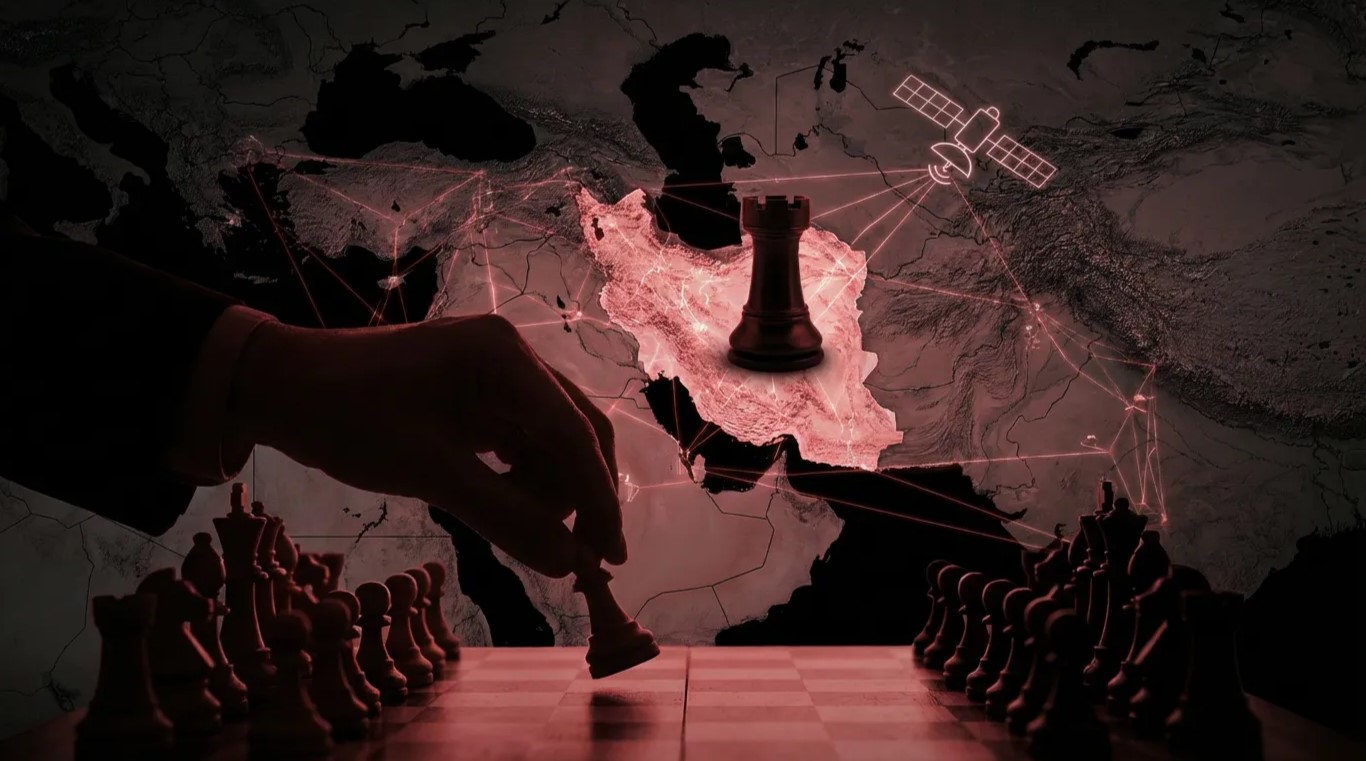

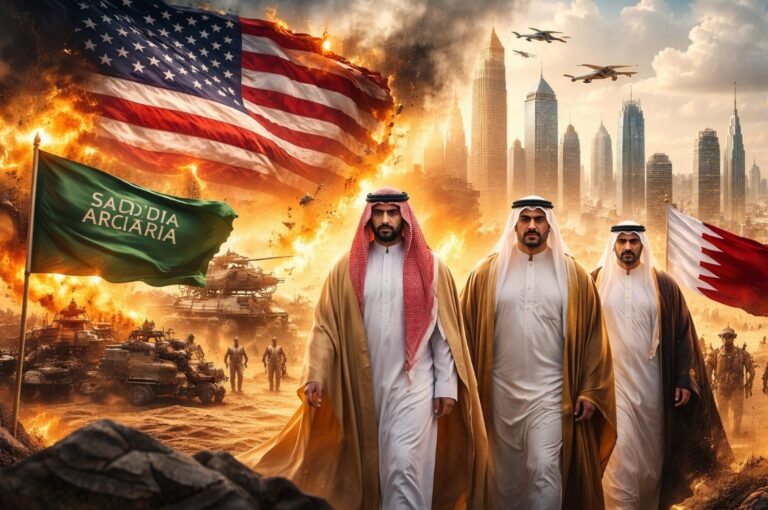
The Middle East is entering a moment that many analysts quietly feared for years. Power equations are shifting via Iran. Old alliances are being tested. And one uncomfortable question is now echoing across policy circles in Washington.
Is the United States shaping Middle East policy on its own terms, or is it locked into a strategic path shaped by its relationship with Israel?
At the center of this debate stands Iran. Over the last few years, Tehran has demonstrated a level of regional influence that has forced both Washington and Tel Aviv to rethink their options.
Here is what matters. The situation now resembles a classic strategic trap. Move forward, and risks grow. Step back, and credibility weakens.
That is why many observers say the United States and Israel have reached a point where every option carries a cost.
Read Also: Gulf is Rising
🌍 A New Middle East Power (Iran) Equation Is Emerging
For decades, the Middle East operated under a familiar pattern. The United States acted as the dominant external power while Israel maintained overwhelming military superiority in the region.
That structure is now facing pressure.
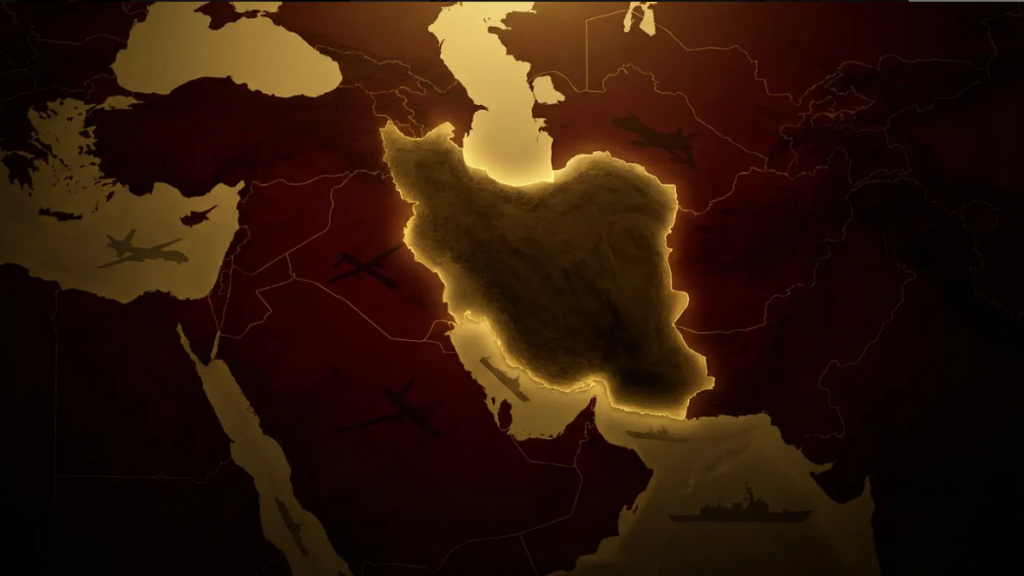
Iran has steadily expanded its strategic reach through political alliances and regional networks. From Iraq to Syria and Lebanon, Tehran has built an influence that cannot be ignored.
According to analysis from the Council on Foreign Relations, Iran’s regional strategy relies on asymmetric influence rather than conventional confrontation.
That approach has allowed Iran to challenge powerful rivals without entering a direct full-scale war.
For Washington and Tel Aviv, this creates a complicated strategic environment.
Read Also: America is Blindly following Israel
⚡ Why Some Analysts Say America and Israel Are Now “Stuck” by Iran
In geopolitical terms, leaders sometimes face what strategists call a dilemma zone. Every option carries significant risk.
If the United States increases pressure on Iran, the region could slide toward a wider conflict.
If it pulls back, critics argue that Tehran will expand its influence even further.
Research from the Brookings Institution highlights how Iran’s strategy often relies on patience and gradual influence rather than immediate confrontation.
This long game has placed pressure on American policymakers who must balance deterrence, diplomacy, and domestic political expectations.
The result is a strategic puzzle that has no easy answer.
Iran’s Strategic Patience and Regional Influence
Iran’s leadership has invested heavily in a doctrine sometimes described as strategic patience.
Instead of seeking quick victories, Tehran focuses on gradually reshaping regional dynamics.
The approach includes
Political alliances
Military partnerships with regional groups
Economic survival despite sanctions
Long-term influence building
Reports by the International Institute for Strategic Studies note that Iran’s regional networks allow it to project influence far beyond its borders.
This strategy has forced both the United States and Israel to operate in a far more complex environment than before.
🏛️ Are American Policies Independent or Influenced by Israel?
One of the most debated questions inside the United States concerns the depth of American alignment with Israel.
The partnership between Washington and Tel Aviv is one of the strongest strategic relationships in modern geopolitics.
Yet critics often ask whether US foreign policy sometimes mirrors Israeli security priorities too closely.
The U.S. Department of State repeatedly describes Israel as one of America’s closest allies, citing shared democratic values and security interests.
Supporters of the alliance argue that the relationship strengthens stability in the region.
Critics, however, question whether the partnership sometimes narrows Washington’s diplomatic flexibility.
This debate continues to shape American politics.
📊 What Do Americans Think About Middle East Policy After Iran Slaps
Public opinion in the United States is not uniform.
Surveys from the Pew Research Center show that Americans remain broadly supportive of Israel, but attitudes toward Middle East involvement are becoming more complex.
Younger voters in particular often favor diplomatic solutions over military escalation.
This shift suggests that future US policies may evolve as domestic perspectives change.
🌐 The Bigger Question: Is the Global Power Balance Changing?
Beyond the Middle East, this situation reflects a larger global trend.
The world is moving away from a single dominant power toward a more multipolar structure where several states compete for influence.
Iran is positioning itself within that changing environment.
At the same time, the United States remains the most powerful global actor but now faces strategic challenges in multiple regions.
This does not necessarily mean Iran has defeated the United States or Israel. Far from it.
But it does mean the strategic landscape is becoming far more complex.
🚀 Final Thought: A Moment That Could Redefine Middle East Politics
The United States, Israel, and Iran are now navigating one of the most delicate geopolitical moments in recent history.
Every move carries consequences.
Every decision reshapes the regional balance.
The real question is not simply who is winning or losing. The deeper question is how the next phase of Middle East strategy will unfold.
And whether the current moment becomes a turning point in global power politics.
🔗 External References
Council on Foreign Relations
https://www.cfr.org
Brookings Institution
https://www.brookings.edu
Pew Research Center
https://www.pewresearch.org
US Department of State
https://www.state.gov
International Institute for Strategic Studies
https://www.iiss.org
Most powerful insights for everything
Blogy365.com
1 Comment