

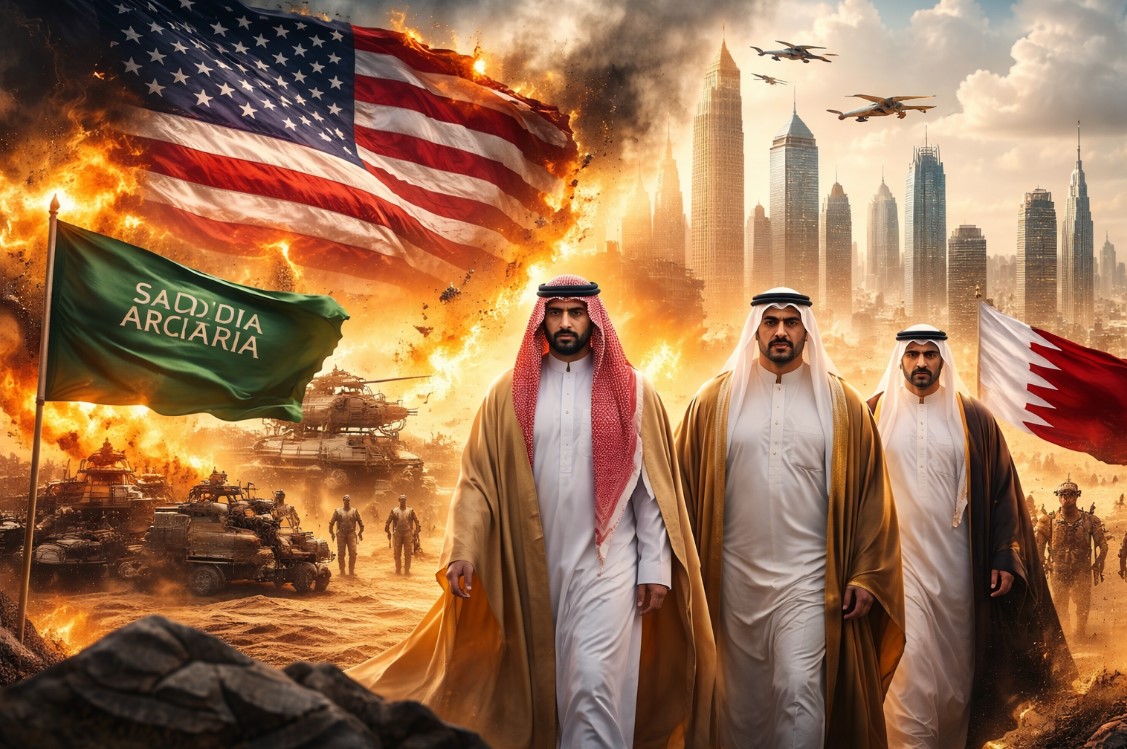

The geopolitical balance of the Middle East has always been shaped by powerful alliances, security agreements, and global interests. For decades, the presence of the United States in the Gulf was presented as a security umbrella for regional stability. But today, a growing debate is emerging across political circles, among analysts, and the public.
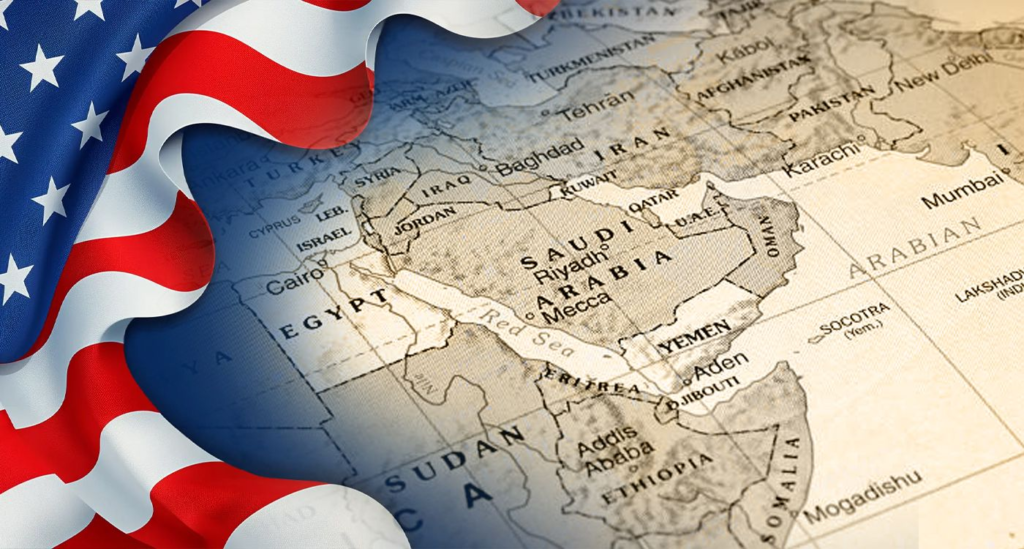
Is the traditional security arrangement changing? And is the Gulf region entering a new phase of independence and strategic power?
Let me explain what is really happening beneath the headlines.
🌐⚔️ The Historical Context of American Presence in the Gulf
Since the early 1990s, the United States has expanded its military footprint across the Gulf region. Military bases, defense partnerships, and security agreements were framed as protection against regional threats.
Following the Gulf War in 1991, several Gulf states deepened their security cooperation with the United States. The goal was clear: ensure stability in a region critical to global energy supplies.
According to analysis published by the Council on Foreign Relations, American military presence has been central to protecting shipping routes, oil infrastructure, and allied governments in the Gulf.
You can explore more about the strategic importance of the Gulf region through this resource from the Brookings Institution
https://www.brookings.edu
However, global power dynamics rarely stay the same forever.
🛢️💰 Energy Politics and the Global Stakes
The Gulf region holds nearly one-third of the world’s proven oil reserves. That alone explains why global powers remain deeply invested in its security and stability.
Organizations such as the Organization of the Petroleum Exporting Countries have long influenced global energy markets. Gulf nations, including Saudi Arabia, the United Arab Emirates, and Qatar, are not just oil producers. They are economic powerhouses shaping global trade and investment.
The global energy market is shifting rapidly toward diversification, new alliances, and regional cooperation.
For deeper insight into energy geopolitics, see research from the International Energy Agency
https://www.iea.org
🧭🌏 Rising Regional Confidence in the Gulf
Over the past decade, Gulf nations have significantly strengthened their economic and military capabilities. Massive infrastructure investments, sovereign wealth funds, and strategic diversification programs have transformed the region.
For example:
- Saudi Vision 2030 aims to diversify Saudi Arabia’s economy beyond oil.
- The UAE has become a global hub for finance, aviation, and technology.
- Qatar has expanded its diplomatic and economic reach worldwide.
This transformation suggests that Gulf states increasingly see themselves not only as partners in global security but as independent strategic actors.
Read Also: Gulf Defence Alliance
⚖️🧠 The Debate Around Regional Security
Many analysts argue that the future of the Gulf may involve a more balanced security architecture. Instead of relying solely on external powers, regional cooperation may play a larger role.
Institutions like the Gulf Cooperation Council were created precisely to strengthen coordination among Gulf states.
Regional unity, economic cooperation, and diplomatic engagement are becoming central themes in discussions about the future of Middle Eastern security.
📜⏳ Are We Living in a Time of Historic Transition?
History shows that global power structures change gradually. What we may be witnessing today is not the collapse of one system but the evolution of a new balance of power.
Many scholars studying international relations at institutions such as Stanford University emphasize that geopolitical transitions often occur during periods of technological change, economic shifts, and regional empowerment.
The Gulf region today sits at the center of all three.
🌟🌍 A Defining Moment for the Gulf Region
For Gulf nations, the future likely depends on a combination of three strategies:
- Strengthening regional unity
- Building independent economic power
- Maintaining balanced international partnerships
Rather than a simple narrative of dominance or decline, the real story may be about transformation.
The Middle East is entering a phase where regional voices carry greater influence than ever before.
For further insights, keep visiting blogy365.com

2 Comments