


Written by:
Rabbiya Tirmizi
Consultant Dietitian, CDE
Head Diet and Education Wing – PCDA
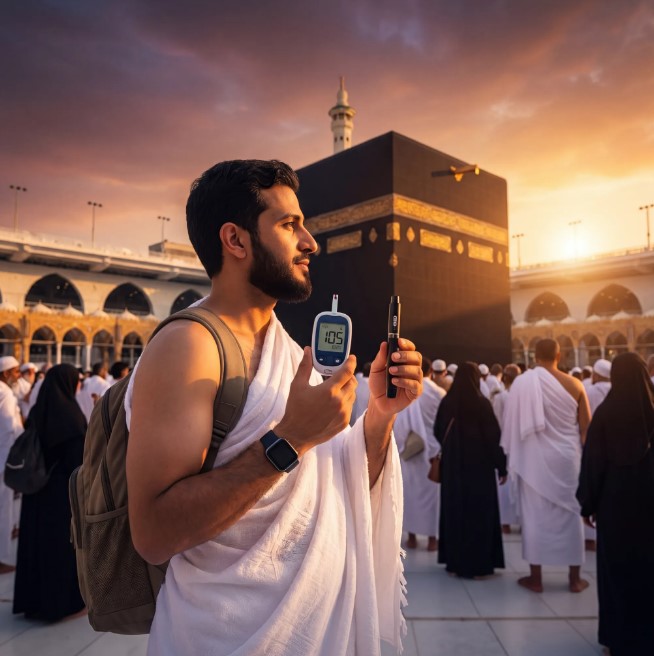
Hajj is not just a journey. It is a defining moment. A spiritual peak that millions wait a lifetime to reach. But here is what often gets ignored. Your body does not pause its needs just because your soul is elevated.
If you are living with Diabetes, Hajj demands more than faith. It demands strategy. Heat, long walks, disrupted meals, and physical strain can quietly push your blood sugar into dangerous territory if you are not prepared.
The good news is simple. With the right plan, you can perform Hajj safely, confidently, and fully present in every sacred moment.
🧠 Why Diabetes Management During Hajj Matters More Than You Think
Let me explain what really happens.
You are walking more than usual. Eating at irregular times. Sleeping less. Exposed to intense heat.
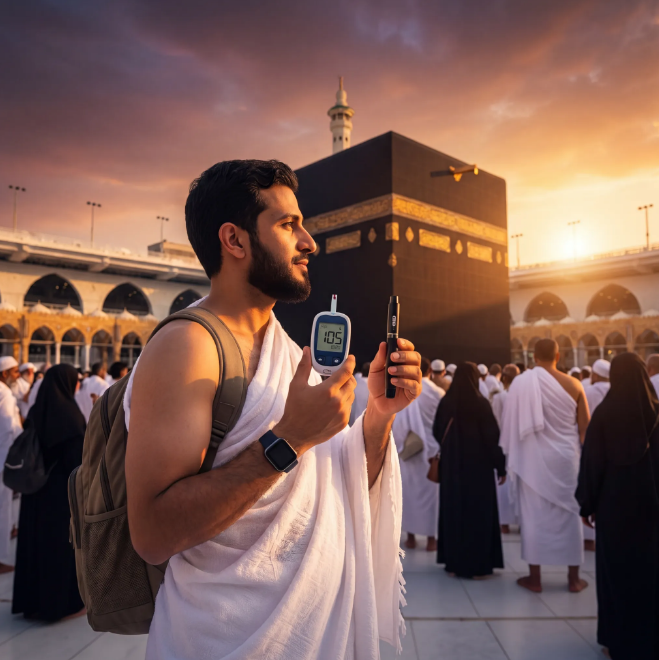
Each one of these alone can affect glucose levels. Combined, they create a perfect storm.
According to the International Diabetes Federation and the American Diabetes Association, structured planning and active monitoring are not optional. They are essential.
Ignoring this is not bravery. It is a risk.
Read Also: The Hajj
📊 Blood Sugar Monitoring: Your First Line of Defense
Here is what matters most. You cannot manage what you do not track.
Check your glucose levels
Before meals
After meals
Before and after physically intense rituals like Tawaf and Sa’i
Watch for warning zones
Low sugar below 70 mg per dL
Signs include sweating, dizziness, and sudden weakness
Fix it immediately with fast sugar
Dates
Juice
Then recheck after 15 minutes
High sugar above 130 fasting or 180 after meals
This can lead to dehydration and fatigue
The response is simple
Hydrate
Take your medication properly
Seek medical help if levels stay high
Consistency here can save your entire journey.
🥗 Smart Eating Strategy: Control Without Compromise
Hajj is not the time for extreme diets. It is the time for controlled balance.
Common foods like white rice and refined flour spike blood sugar quickly. Eat them, but keep portions small.
Focus on meals that stabilize energy
Whole grains
Lean protein
Fiber-rich vegetables
Fresh salads
Choose wisely
Grilled over fried
Light over heavy
Natural over processed
Keep small snacks with you. This is not indulgence. This is prevention.
💧 Hydration: The Hidden Game Changer
Most people underestimate this.
Dehydration silently worsens blood sugar control. In the heat of Makkah, that risk doubles.
Drink at least 2.5 to 3 liters of water daily.
Avoid
Sugary drinks
Excess caffeine
Water is not just hydration here. It is protection.
👣 Foot Care and Emergency Readiness: The Overlooked Essentials
Long walking hours mean your feet take constant stress.
Wear comfortable, well-fitting footwear
Check your feet daily for cuts or blisters
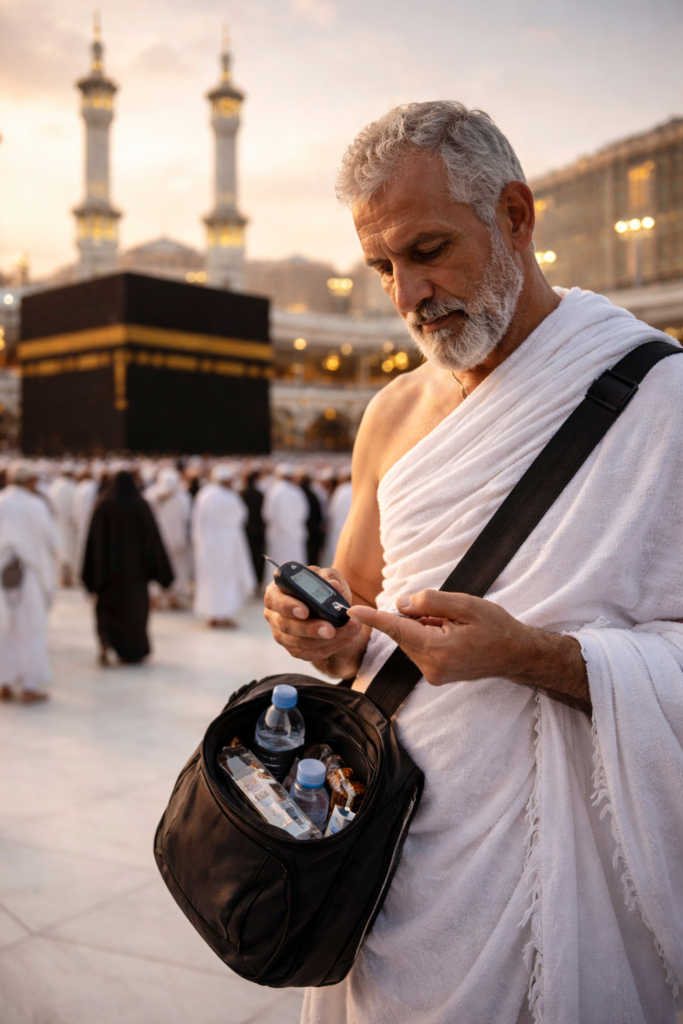
Always carry a diabetes kit
Glucometer
Medications
Quick sugar sources like dates or juice
Add one more thing
An ID card stating you have diabetes
In a crowd of millions, this one detail can make a critical difference.
🕋 Final Thought: Faith with Preparation Wins Every Time
Hajj is about surrender. But preparation is part of that surrender.
When you manage your health properly, you remove distractions. You stay focused on what truly matters.
With mindful eating, consistent monitoring, proper hydration, and basic precautions, diabetes does not limit your Hajj. It simply asks you to be smarter about it.
And that is a trade worth making.
🔗 Trusted Resources
Learn more from global authorities
International Diabetes Federation
https://idf.org
American Diabetes Association
https://diabetes.org
For further insights, keep visiting blogy365.com



Leave a Comment