


Here’s the truth most people miss. Xiaomi didn’t win because it had the most money. It won because it understood people better than its competitors.
This is not just a tech story. It’s a masterclass in strategy, timing, and bold thinking.
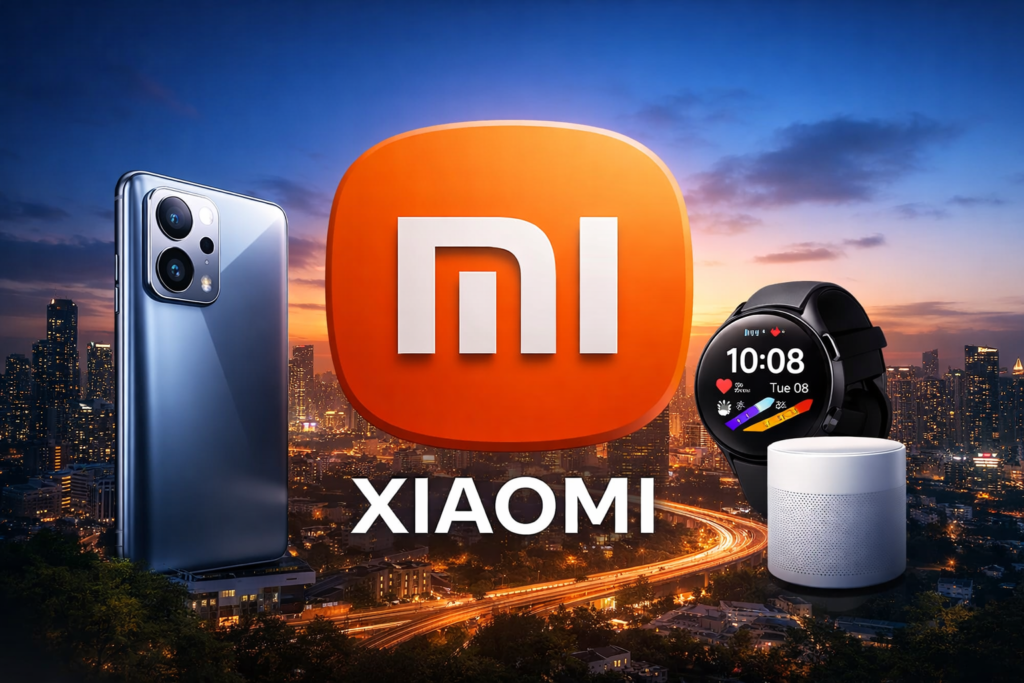
👤 The Man Behind the Vision: Lei Jun
Every great company starts with one person who sees what others ignore.
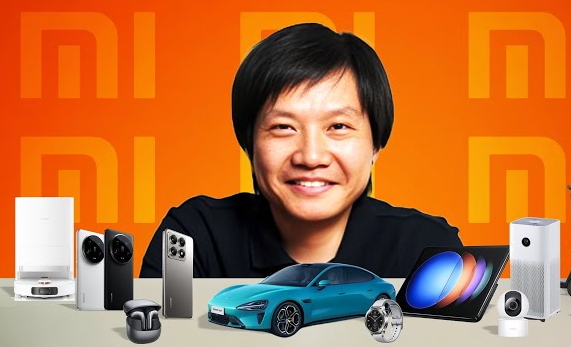
For Xiaomi, that person is Lei Jun.
Before Xiaomi, he was already a successful entrepreneur and investor. But he wanted to build something bigger. Not just another phone company. A movement.
He once said he wanted to build a company as impactful as Apple Inc..
Most people would call that ambition unrealistic. He treated it like a roadmap.
🏁 Where It All Started: A Small Room, Big Ideas
Back in 2010, Xiaomi was born in Beijing.
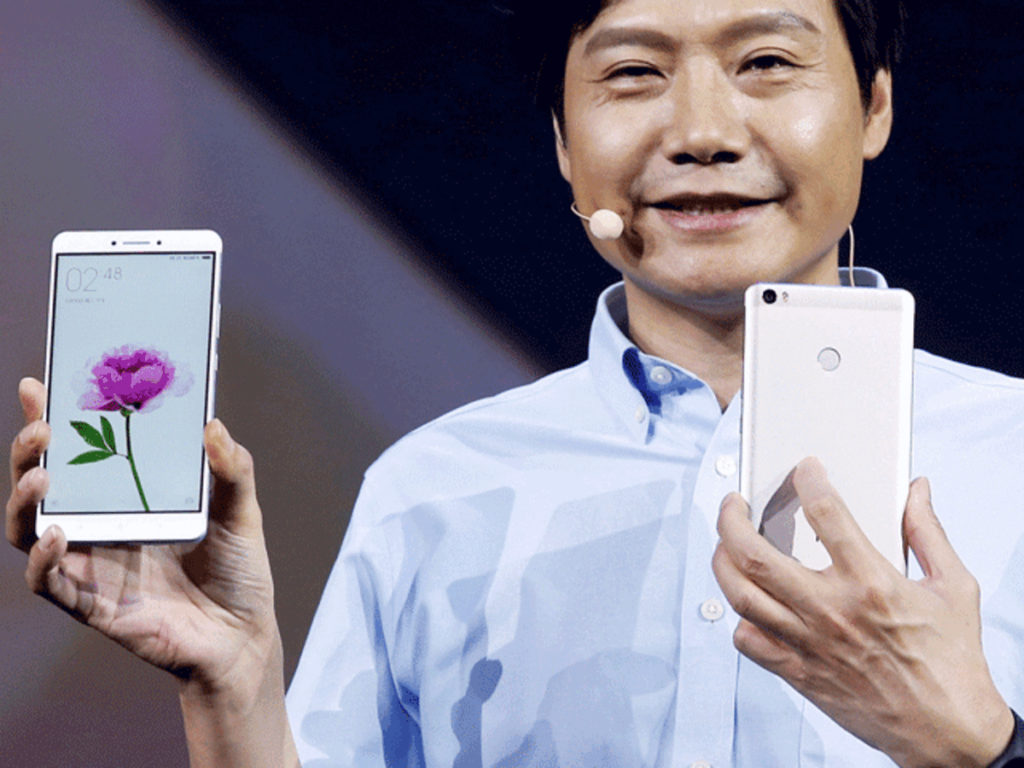
No massive factories. No global brand. Just a small team of engineers and a clear idea.
Instead of building hardware first, Xiaomi focused on software.
They launched MIUI, a custom Android system built on feedback from real users. That decision changed everything.
👉 You can explore Android’s open ecosystem here
https://www.android.com
This early focus created something powerful. A community before a product.
📱 The Game-Changing Strategy That Shocked the Industry
Let me explain what Xiaomi did differently.
Most companies build a product, then find customers.
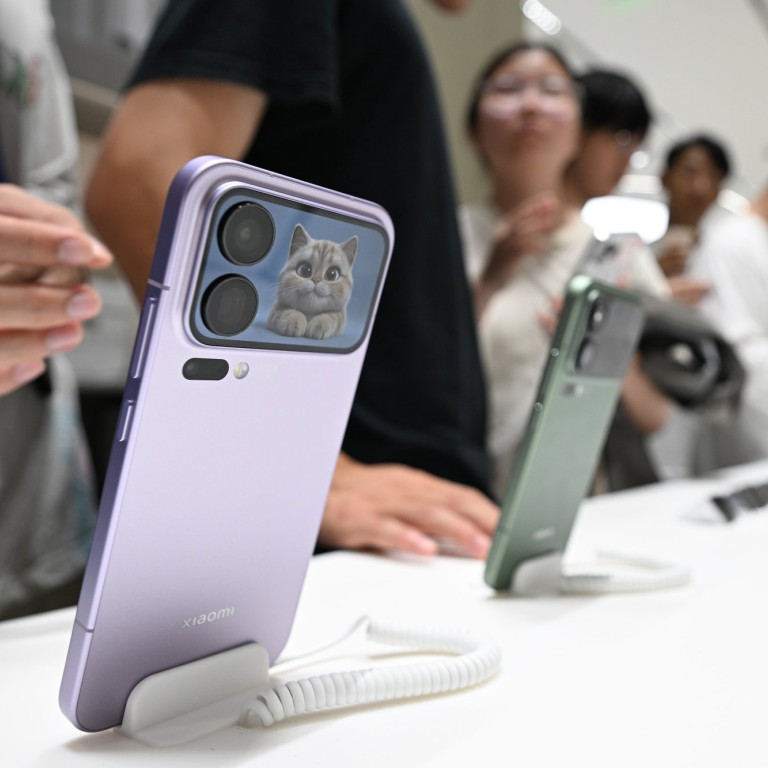
Xiaomi flipped that.
They built a community first, then designed products based on what users actually wanted.
When their first smartphone launched in 2011, it delivered flagship specs at a fraction of the price.
Competitors were confused. Consumers were hooked.
👉 Compare global smartphone trends here
https://www.statista.com/topics/840/smartphones/
💡 Selling Smart, Not Expensive
Xiaomi didn’t chase high margins. It chased scale.
Their model was simple:
High-quality devices
Low profit margins
Massive volume
They sold primarily online, cutting retail costs completely.
This wasn’t just a pricing strategy. It was a disruption.
While others were maximizing profit per device, Xiaomi maximized market share.
🌍 Explosive Growth Across the World
Within a few years, Xiaomi expanded far beyond China.
India became one of its biggest markets. Then Southeast Asia. Then Europe.
Today, Xiaomi is one of the top smartphone brands globally.
👉 See global market rankings
https://www.counterpointresearch.com
This kind of growth doesn’t happen by luck. It happens when strategy meets execution.
🔥 The Ecosystem Play That Made Xiaomi Unstoppable
Here’s where Xiaomi pulled ahead.
It didn’t stop at smartphones.
It built an ecosystem.
Smart TVs
Wearables
Smart home devices
Electric scooters
All connected. All affordable. All designed to keep users inside the Xiaomi world.
👉 Learn about smart ecosystems
https://www.mckinsey.com
This created long-term customer loyalty, not just one-time buyers.
Read Also: The iPhone
⚡ Challenges That Could Have Destroyed Xiaomi
The journey wasn’t smooth.
Xiaomi faced:
Intense competition from brands like Samsung
Pressure from premium players like Apple Inc.
Global supply chain disruptions
Regulatory challenges in multiple countries
At one point, growth slowed sharply.
Most companies break here.
Xiaomi adapted.
It moved into offline retail. Improved branding. Focused on premium segments.
That pivot brought it back stronger.
🧠 What Makes Xiaomi a Billion Dollar Blueprint
This is where the real lesson is.
Xiaomi didn’t just build products. It built systems.
Community-driven innovation
Cost-efficient operations
Ecosystem expansion
Relentless adaptation
This is why entrepreneurs study Xiaomi.
Not because it sells phones. Because it rewrote the rules.
🎯 Final Takeaway: Why This Story Matters
If you’re building anything, this story should hit you. Xiaomi’s success story
You don’t need massive funding to start.
You need clarity, strategy, and execution.
Lei Jun didn’t wait for perfect conditions. He built momentum step by step.
And that’s the real edge.
🔗 External References for Authority
- Official Xiaomi website
https://www.mi.com - Global smartphone data
https://www.counterpointresearch.com - Market insights and statistics
https://www.statista.com - Technology ecosystem research
https://www.mckinsey.com
For further insights, keep clicking blogy365.com



Leave a Comment