

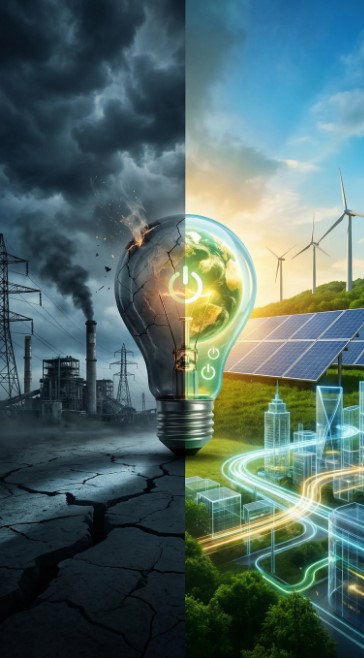

The question is not just who is fighting whom. The real question is what this conflict is quietly doing to the future of humanity (Energy Crisis).
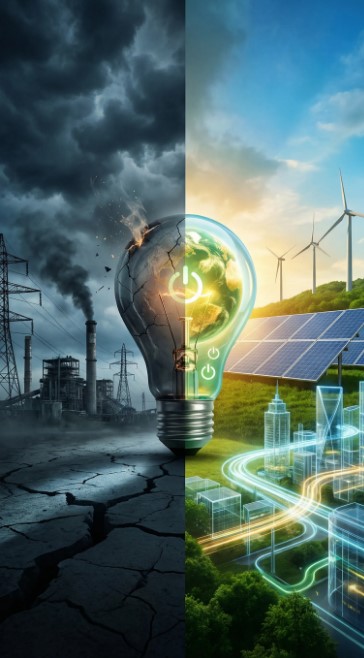
Across the world, one pattern is becoming impossible to ignore. Tensions rise, fuel prices spike, supply chains shake, and ordinary people carry the burden. What looks like geopolitics at the top turns into survival at the bottom.
⚡ A World Sliding Into an Energy Crisis
Energy is the backbone of modern life. When it shakes, everything shakes with it.
Over the past few years, global instability has pushed oil and gas markets into chaos. When conflicts intensify, production routes are threatened, shipping becomes risky, and prices surge overnight. The ripple effect hits transport, food, electricity, and industry.
According to the International Energy Agency, even small disruptions in supply can trigger worldwide economic stress. This is not a theory anymore. It is already happening.
And here is what matters most. The pain is not evenly distributed. Developing countries and middle-class families feel it first and hardest.
🌎 Power Politics and the Cost of Conflict as an Energy Crisis
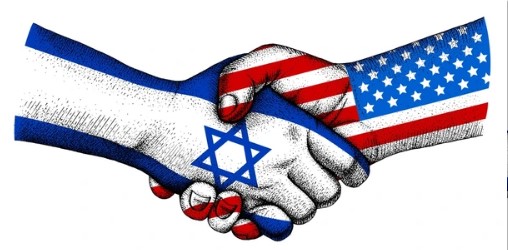
Recent tensions involving the United States, Israel, and Iran have raised serious global concerns.
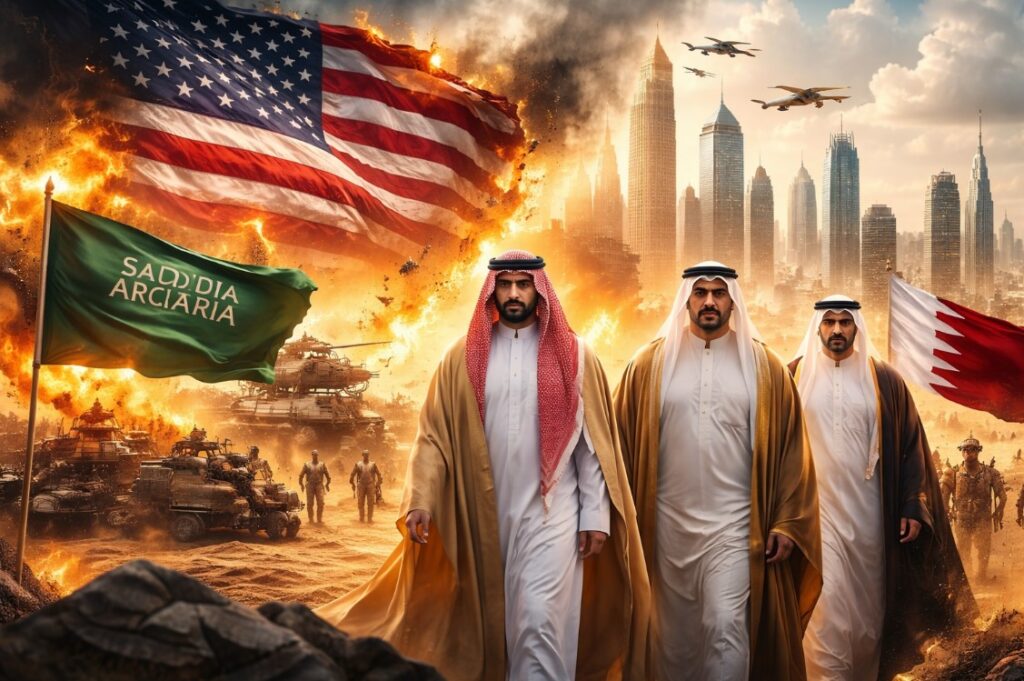
These conflicts are often framed as strategic moves or security measures. But strip away the narratives, and one truth stands out. Every escalation increases uncertainty in energy markets and deepens instability.
Read Also: Who really runs America?
Civilians pay the price through inflation, job losses, and reduced access to basic needs.
No missile strike fixes a broken system. It only shifts the damage.
💔 The Human Cost No One Talks About Enough
Wars are often measured in territory and power. But the real cost is human.
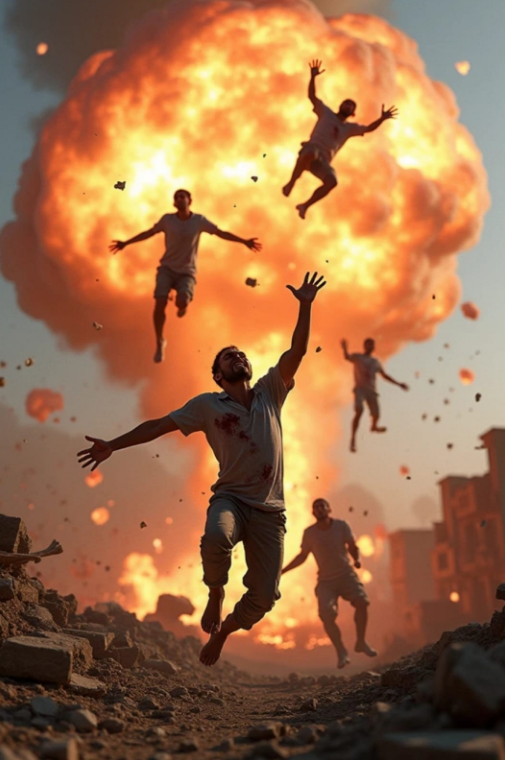
Families lose livelihoods. Healthcare systems get strained. Food becomes expensive. Education gets disrupted.
Read Also: America and Israel are Trapped
This is where the conversation needs to shift. Away from strategy and toward consequences.
Because at the end of every conflict, it is not governments that rebuild lives. It is people who must start over from nothing.
💧 The Next Energy Crisis: Water Wars?
Here is a thought that is gaining attention among global analysts.
What happens when energy is no longer the primary pressure point?
Water.
Freshwater resources are already under stress due to climate change, population growth, and mismanagement. Reports from the United Nations highlight that water scarcity could impact billions in the coming decades.
Glaciers are melting. Rivers are shrinking. Underground reserves are depleting.
So the uncomfortable question emerges.
If nations compete over oil today, will they compete over water tomorrow?
And if that happens, the stakes will be even higher. Because, unlike fuel, water has no substitute.
🧠 What Smart Nations Are Already Thinking About
Forward-looking countries are not waiting for crisis headlines.
Read Also: Gulf Rising
They are investing in:
- Renewable energy
- Water conservation systems
- Desalination technology
- Sustainable infrastructure
The goal is simple. Reduce dependency before dependency becomes a weapon.
This is not just policy. It is survival planning.
🔗 External Resources for Deeper Insight
- International Energy Agency insights on global energy trends
- United Nations reports on water scarcity and climate risks
- World Bank data on the economic impact of global conflicts
These sources provide a clearer, data-driven picture of what lies ahead.
🚨 The Bottom Line
This is not just about one war or one region.
It is about a chain reaction that connects energy, economy, and survival.
First comes the fuel crisis. Then, economic pressure. Then resource scarcity.
And if the world does not shift direction, the next conflict may not be about power or politics.
It may be about water.
For further insights, keep visiting blogy365.com



2 Comments