



How did the United States of America rise from a patch of land inhabited by indigenous tribes to a global superpower that shapes economics, politics, and culture worldwide?
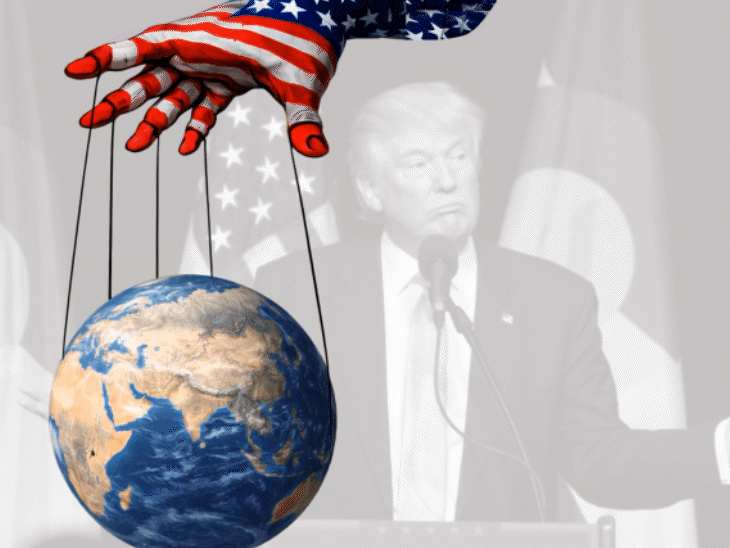
That question sounds simple. The real answer is layered, uncomfortable at times, and far more strategic than most people realize.
Let me explain.
🧭 From Discovery to Domination of America
When Christopher Columbus arrived in 1492, the land wasn’t “empty.” It was home to millions of Native Americans with established societies, trade systems, and cultures.
So what changed?

The shift began when European powers treated the land not as a place to coexist but as an asset to control. Colonization introduced new systems of governance, military structure, and economic extraction.
But colonization alone doesn’t create a superpower. Many regions were colonized. Few became dominant.
Read Also: Who Really Runs America
⚙️ The Real Engine Power Systems and Institutions
Here’s what matters.
America didn’t just grow. It built systems that scaled.
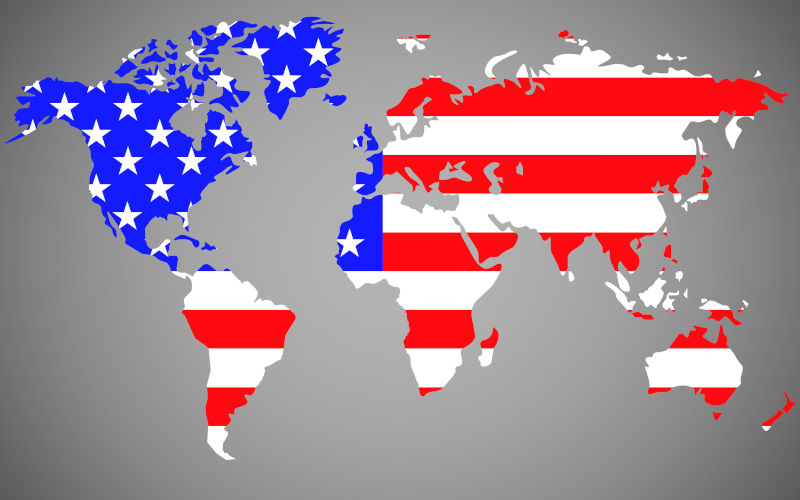
After independence in 1776, the United States created a framework based on institutions instead of individuals. A constitution. Property rights. Contract enforcement. Financial systems.
These weren’t perfect. But they created predictability. And predictability attracts investment.
You can explore the foundation here
https://www.archives.gov/founding-docs
That’s where momentum began.
💰 Capitalism at Full Force
America leaned hard into capitalism.
It encouraged risk-taking. Rewarded innovation. Protected ownership.
Industrialization in the 19th century turned the country into a production machine. Railroads connected regions. Factories scaled output. Entrepreneurs built empires.
By the time the world entered the 20th century, the US wasn’t just growing. It was accelerating.
For economic data insights
https://www.worldbank.org
Read Also: Is America Ruling The World
🧠 Innovation Culture Not Just Technology
People often say technology made America powerful.
That’s only half true.
The real advantage was a culture that tolerated failure and rewarded bold thinking.
From Thomas Edison to Steve Jobs, the pattern stayed the same. Try fast. Fail fast. Scale fast.
Universities like Stanford and MIT became idea factories, feeding industries with talent and research.
Explore innovation ecosystems
https://www.nsf.gov
🌐 Global Strategy After World War Two
World War Two changed everything.
While Europe was devastated, America came out stronger economically and militarily.
Then came the strategic move.
Instead of isolating itself, the US built alliances, influenced global institutions, and positioned the dollar as the world’s reserve currency.
This wasn’t luck. It was calculated leadership.
You can read about global economic frameworks
https://www.imf.org
🎬 Cultural Power The Silent Weapon
Power isn’t only military or economic.
It’s cultural.
Hollywood, music, brands, and social media platforms all shaped global perception. People didn’t just see America as powerful. They wanted to be part of its lifestyle.
That kind of influence is hard to measure but impossible to ignore.
⚖️ The Harsh Reality Behind the Rise
Here’s the part many avoid.
The rise of America came with costs.
Displacement of Native Americans. Slavery. Inequality. Foreign interventions.
Power is rarely clean.
Understanding this doesn’t weaken the story. It makes it real.
🚀 So What Actually Made America a Superpower
Not one thing.
A combination of factors working together

Strong institutions
Aggressive capitalism
Relentless innovation
Strategic global positioning
Cultural influence
Most countries have one or two of these. The US aligned all of them at scale.
That’s the difference.
🔍 What Other Countries Can Learn
This isn’t about copying America.
It’s about understanding principles
Build systems, not personalities
Encourage innovation, not fear
Create economic freedom with accountability
Think long term, not short term
That’s how power compounds.
🧠 Bottom Line
America didn’t become a superpower by accident.
It built leverage across systems, ideas, money, and influence and then kept compounding it for over two centuries.
For further insights, keep visiting blogy365.com


Leave a Comment