

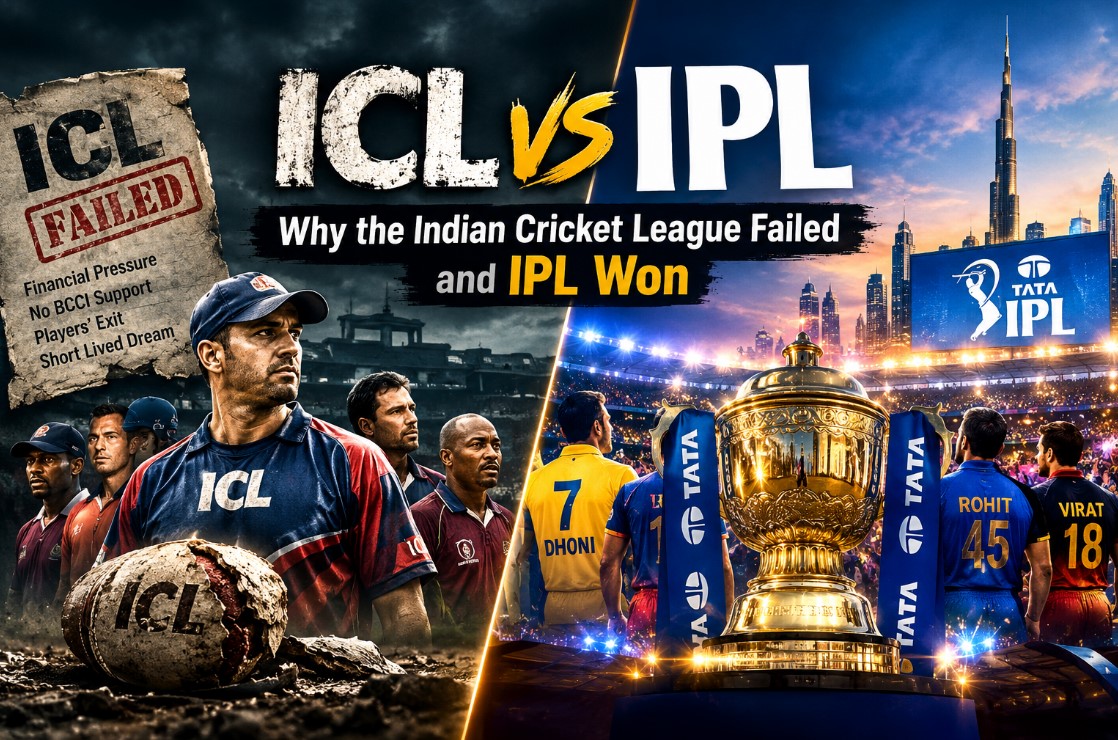

Introduction: Two Leagues, One Cricket Revolution
Imagine launching a new cricket league, signing international stars, attracting television attention, and giving talented players a new way to earn money. You believe you have discovered the future of cricket. Then a rival league enters the market, backed by the country’s most powerful cricket establishment, and changes the entire game.
That is the story of the Indian Cricket League (ICL) and the Indian Premier League (IPL).
The ICL emerged in 2007, challenging the traditional structure of professional cricket in India. The IPL followed in 2008 and developed into one of the world’s most commercially valuable sporting competitions.
But here is the question that deserves serious attention: If the ICL helped demonstrate the potential of franchise based T20 cricket, why did it disappear while the IPL became a global business empire?
The answer involves more than cricket. It involves institutional power, access to players, official recognition, broadcast rights, investment, sponsorship and the ability to build an entire commercial ecosystem around a sporting product.
1. What Was the Indian Cricket League?
The Indian Cricket League was a private cricket competition launched by Zee Group’s Essel Group in 2007, with former India captain Kapil Dev among its prominent figures.
Read Also: IPL Mafia Exposed
Its ambition was straightforward. It wanted to create a new professional platform for Twenty20 cricket, bring international and domestic players together, and offer opportunities beyond the established cricket system.
The ICL attracted well-known names, including Brian Lara, Inzamam ul Haq and Chris Cairns. It also created opportunities for domestic cricketers who were not necessarily part of India’s highest-profile teams.
However, the league faced a fundamental obstacle. It lacked recognition from the Board of Control for Cricket in India (BCCI) and the International Cricket Council (ICC).
That distinction proved crucial. A cricket league can sign players and arrange matches, but competing against the established governing structure is much harder when player eligibility, access to recognised competitions and official cricket pathways are at stake.
The ICL was not simply competing for viewers. It was challenging an established system.
2. Why Did the ICL Fail?
The ICL’s collapse was not caused by one isolated mistake. Several problems reinforced each other.
A. The Recognition Problem
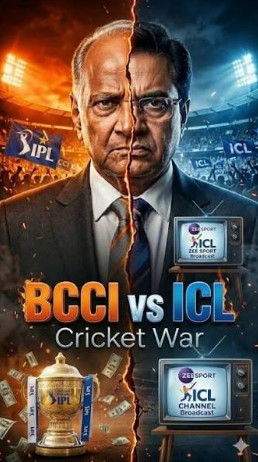
The BCCI did not recognise the ICL as an authorised domestic cricket competition. The ICC also declined to grant it the recognition it sought.
This left players facing difficult choices. Joining the ICL could jeopardise their opportunities within recognised cricket, including domestic and international pathways.
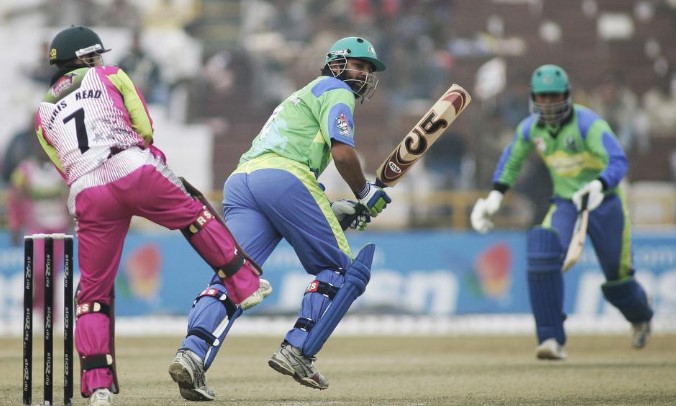
For an emerging league, losing access to the established player ecosystem creates a serious commercial disadvantage. Fans want to watch familiar stars, sponsors want recognisable names, and broadcasters want a product with a reliable audience.
B. The IPL Entered With Institutional Support
The IPL launched in 2008 under the BCCI’s authority.
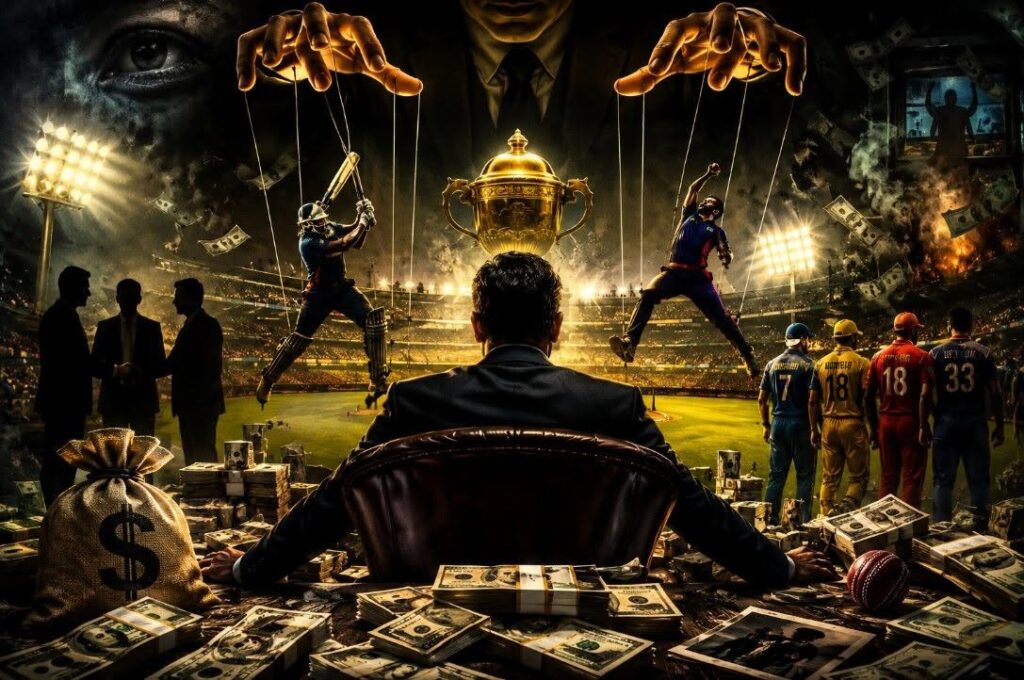
That changed the competitive landscape. Players could participate in the IPL without having to choose an unauthorised alternative that might threaten their standing in recognised cricket.
The IPL also attracted major investors, franchise owners, sponsors and broadcasters. Its commercial structure offered something the ICL struggled to match: a route into the mainstream cricket economy.
In business terms, the ICL had created a new product category, but its rival had a far stronger route to market.
C. Players Began Leaving the ICL
In April 2009, the BCCI offered amnesty to players who ended their association with the ICL. By June, 79 players had been readmitted to recognised domestic cricket.
This was a major blow. When players return to the established system, a rival league can lose its sporting credibility, competitive depth and appeal to audiences.
ESPNcricinfo documented the amnesty and the growing uncertainty surrounding the ICL’s future.
Read the original report: ESPNcricinfo on the BCCI amnesty for ICL players.
D. Financial Pressure Made Survival Harder
A professional league needs more than exciting matches. It needs dependable income, sponsorship commitments, broadcast distribution, stable player contracts and enough working capital to survive difficult seasons.
The ICL faced financial pressure, player departures and disruptions to its tournament plans. Its business model became increasingly difficult to sustain.
The broader lesson is important: a promising sports concept can still fail if it cannot maintain the financial and institutional support required to operate.
E. The ICL Lost the Battle for the Mainstream Audience
The IPL combined cricket with entertainment, city identities, celebrity ownership, major sponsorships and an official competition structure.
That helped turn a tournament into an annual commercial event.
The ICL had innovative ambitions, but it could not establish the same scale of mainstream distribution and long term commercial confidence.
By 2009, the ICL was effectively finished.
3. Was the ICL Defeated by Competition or by Power?
This is where the story becomes more controversial.
It is tempting to say that the IPL simply offered a better product and won fairly. It is equally tempting to argue that the ICL was destroyed entirely by cricket politics. Neither explanation captures the full picture.
The BCCI controlled important parts of the recognised cricket system in India. Its opposition to the ICL, the consequences for players who joined it, and the ICC’s refusal to recognise the league placed the ICL at a substantial disadvantage.
The competition was therefore not taking place on an equal institutional playing field.
At the same time, the IPL offered commercial advantages of its own: official status, strong investor interest, major media deals, franchise-based competition and a compelling entertainment proposition.
A careful reading of the evidence supports a more nuanced conclusion: the ICL faced structural disadvantages, while the IPL combined institutional legitimacy with a stronger commercial platform.
This is not merely a story about who played better cricket. It is a story about who could build a sustainable business around cricket.
For a useful historical account, read Moneycontrol’s analysis of the ICL and IPL rivalry.
4. IPL Is More Than a Cricket Tournament. It Is a Business System
The IPL’s greatest achievement is not simply the number of sixes hit or the stars who participate. It is the commercial structure built around every season.
Media Rights
Broadcasters and streaming platforms pay substantial sums for the right to distribute matches. These rights create a major source of central league revenue.
In June 2022, the BCCI announced successful bidders for the IPL’s 2023 to 2027 media rights cycle at a combined value of INR 48,390.32 crore.
Official source: BCCI media rights announcement.
Franchise Ownership
Teams operate as commercial properties with their own identities, sponsors, supporters and business strategies.
Franchise owners can benefit from central revenue distributions and generate additional income through sponsorships, ticket sales and merchandise, subject to league rules and operating costs.
Sponsorship and Advertising
The IPL gives brands access to a large cricket audience. Team partnerships, tournament sponsorships, advertising inventory and player endorsements create multiple commercial opportunities.
Entertainment and Brand Building
The IPL brings together sport, celebrity culture, city loyalty, digital content and live entertainment. Supporters do not simply follow a cricket match. They develop relationships with teams, players and rivalries.
This creates repeat engagement and gives commercial partners reasons to return season after season.
Long Term Investment
The league’s value is also reflected in investor interest. Reuters reported in July 2026 that the IPL’s overall business value had surpassed $20 billion, according to a report by Houlihan Lokey.
Read more: Reuters on the IPL’s business valuation in 2026.
These commercial features help explain why the IPL became much more than a sporting competition.
5. Is the IPL a Controlled Business?
The phrase controlled business deserves a closer look.
The IPL is not an entirely open market in which anyone can establish a competing league and immediately gain access to the same players, venues, commercial rights and recognised cricket pathways.
It operates within a structured system governed by the BCCI and the league’s regulations. Team participation, player eligibility, media rights and franchise arrangements are governed by specific rules and agreements.
This gives the IPL a degree of institutional control that an independent rival cannot easily reproduce.
But there is an important distinction between a controlled business and a secret arrangement to eliminate competitors. The former describes an organised commercial system with defined rules and gatekeepers. The latter is a more serious allegation that requires specific evidence.
The ICL’s experience raises legitimate questions about competition, market access and the influence of sporting governing bodies. It does not, by itself, prove that every aspect of the IPL is designed to prevent competition.
The strongest argument is this: the IPL benefits from an established institutional structure that makes entry into its market difficult, while its commercial success also depends on broadcasting, sponsorship, team brands and audience demand.
That combination is central to understanding its dominance.
6. ICL vs IPL: The Major Differences
| Factor | Indian Cricket League | Indian Premier League |
|---|---|---|
| Launch | 2007 | 2008 |
| Institutional position | Unrecognised by the BCCI and ICC | Operates under the BCCI |
| Player pathway | Players faced restrictions and eligibility risks | Integrated with recognised cricket |
| Commercial backing | Essel Group and Zee network | BCCI, franchise investors and major commercial partners |
| Business structure | Independent competing league | Centrally organised franchise competition |
| Media and sponsorship reach | Limited compared with the IPL | Major broadcast and sponsorship ecosystem |
| Long term outcome | Collapsed in 2009 | Expanded into a major global sports business |
The central difference was not simply the format of the cricket. Both recognised the commercial appeal of T20 cricket. Their institutional positions, access to players, financing and ability to attract a mainstream audience were dramatically different.
7. What Could the ICL Have Done Differently?
It is impossible to know whether any strategy would have saved the ICL. Still, its experience offers several lessons for entrepreneurs entering a market dominated by an established player.
Build Alliances Before Launch
A new sports league needs relationships with players, venues, sponsors, broadcasters and governing bodies. Without those relationships, a strong idea can become vulnerable before it reaches commercial scale.
Secure a Sustainable Revenue Model
Tournament income cannot depend entirely on selling advertising or hoping audiences will arrive. Long term broadcast agreements, dependable sponsorships, disciplined costs and financial reserves matter.
Reduce Dependence on One Market
A business that depends heavily on one country’s governing structure faces considerable risk if that structure refuses recognition. International partnerships may help diversify exposure, although they cannot automatically solve regulatory barriers.
Compete on Value, Not Just Novelty
Being first is not enough. A lasting business needs a clear advantage that customers, partners and investors continue to value.
Understand the Rules of the Industry
Entrepreneurs must assess the legal, regulatory and institutional environment before investing heavily. The ICL illustrates how external rules can shape the commercial outcome of a seemingly promising venture.
8. The Bigger Lesson: Innovation Needs Access to the Market
The ICL and IPL rivalry is a useful case study for anyone who wants to understand the relationship between innovation and institutional power.
The ICL helped demonstrate the appeal of privately organised T20 cricket. But an innovative concept is only one part of a successful business. Market access, distribution, legitimacy, capital and commercial partnerships can determine whether an idea survives.
The IPL built a system in which the sporting product and its commercial infrastructure reinforced one another. More audience interest attracted advertisers and broadcasters. Stronger commercial revenues helped support franchises and players. Team identities and recurring seasons encouraged continued engagement.
That is a powerful business model.
It also raises an important question for sports governance: how can a governing body protect the integrity of a sport while ensuring that competition, player opportunities, and commercial innovation receive fair consideration?
That question extends well beyond cricket.
Conclusion: Why Did ICL Fail While IPL Won?
The ICL did not disappear simply because T20 cricket lacked demand. The IPL’s rise demonstrated just how commercially attractive the format could become.
The ICL struggled against a combination of institutional opposition, player restrictions, declining participation, financial difficulties and the emergence of a better-funded rival with official backing.
The IPL, meanwhile, developed a powerful combination of recognised status, franchise investment, broadcasting revenue, sponsorships and audience engagement.
The final lesson is clear: a good idea can open a new market, but building the system around it determines whether it survives.
The ICL challenged the established order. The IPL became a central part of it.
That’s why the ICL versus IPL debate is about much more than cricket. It is about power, market access, money, and the business of controlling a sporting ecosystem.
For further insights, keep visiting blogy365.com


Leave a Comment