

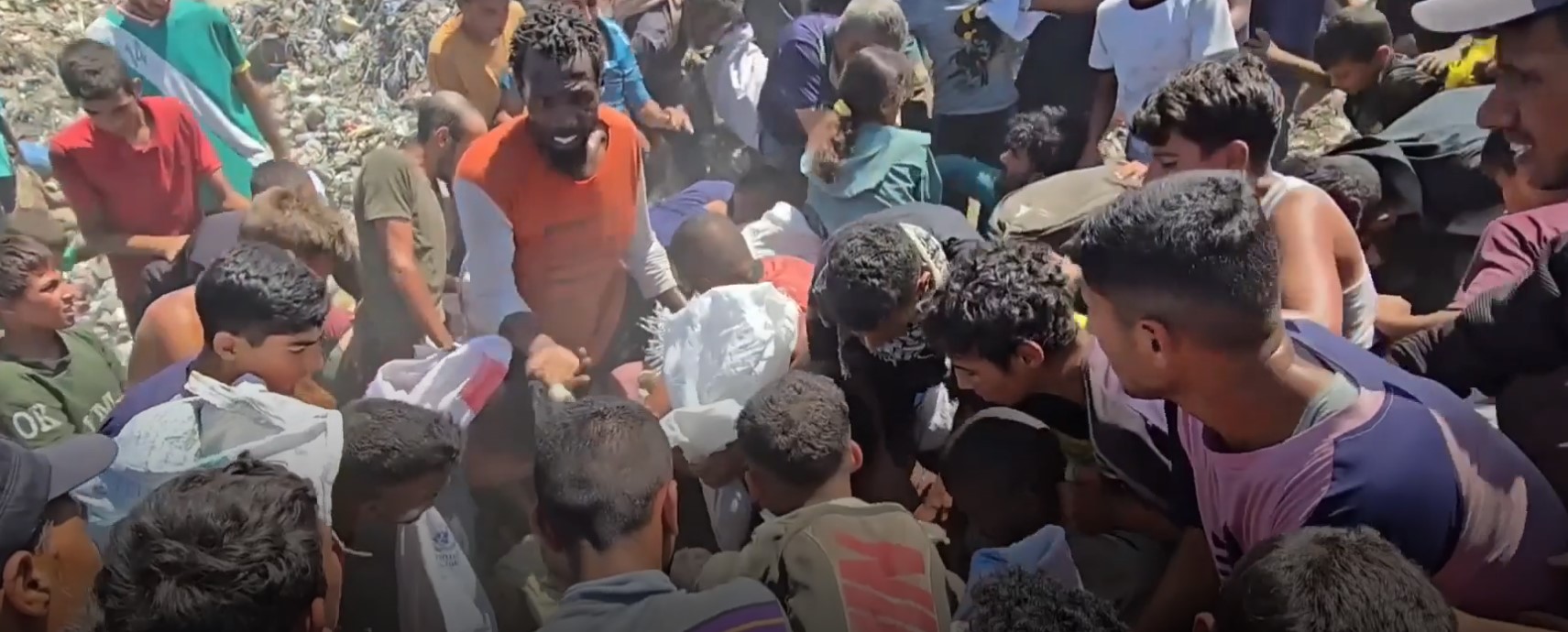

Some children are growing up without a childhood. Some mothers are struggling to find food for their families. And millions of people are still waiting for the safety, dignity, and peace every human being deserves.
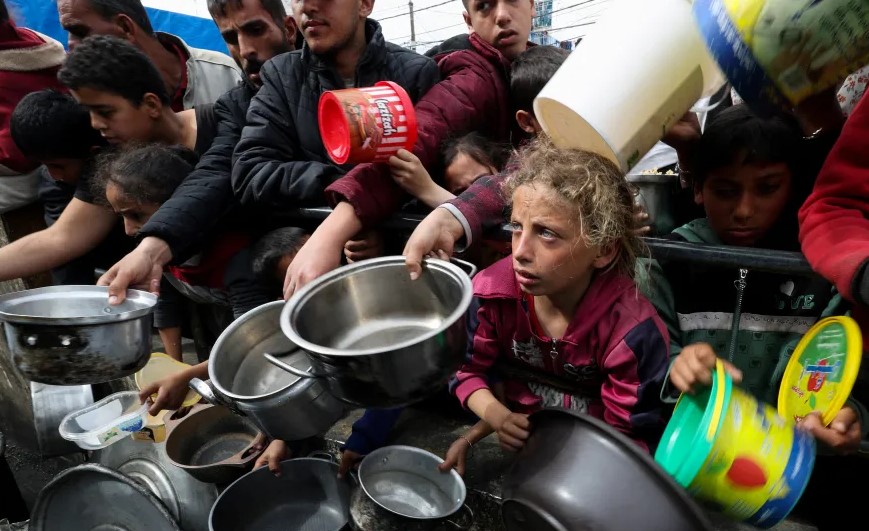
The world moves on from one headline to another. Wars become breaking news, then yesterday’s news. Attention shifts, conversations fade, and people return to their daily routines.
But for the people of Gaza, suffering is not yesterday’s news.
Gaza is still a humanitarian tragedy, and its children must not become invisible to the world.
As people across the globe go to work, sit down for meals, attend school, and plan for tomorrow, families in Gaza continue to face the consequences of conflict, displacement, food insecurity, and damaged essential services.
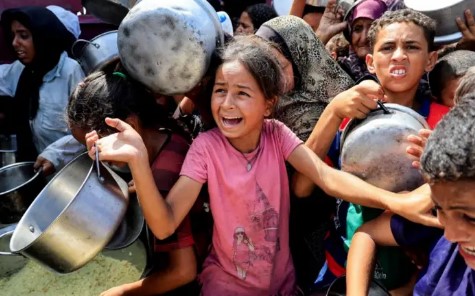
The question is painful but necessary: Have we become so accustomed to seeing human suffering that we no longer feel compelled to act?
Gaza Is Not a Forgotten Story for Those Living Through It
For families living through a humanitarian crisis, there is no convenient way to move on.
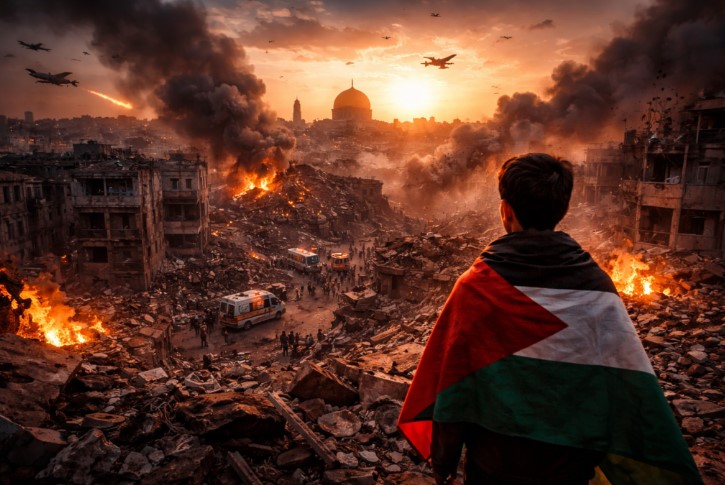
A headline may disappear from a news website, but a parent searching for food does not get to forget hunger. A child living in a damaged shelter cannot simply leave fear behind. A family separated from its home cannot rebuild its life through hopeful words alone.
According to the United Nations Office for the Coordination of Humanitarian Affairs, its October 15, 2026 situation report described continued civilian casualties, widespread displacement, shortages of essential supplies, and severe challenges facing humanitarian operations in Gaza.
The report also highlighted the dangerous conditions facing displaced families as the rainy season approaches.
Read the latest OCHA humanitarian situation report on Gaza.
These are not merely statistics. Behind every figure is a human being with a name, a family, a story, and a future that deserves protection.
Read Also: GAZA on Fire
The Children of Gaza Cannot Wait for the World to Care
Imagine a child asking a simple question: When will there be food? When can I return to school? When will I be able to sleep without fear?
No child should have to ask such questions because of war.
Children need nutritious food, clean water, medical treatment, education, safety, and the chance to grow up with hope. These are basic human needs, not privileges reserved for children living in peaceful countries.
Yet the humanitarian crisis in Gaza continues to threaten these essentials.
OCHA reported that more than 2,800 children were admitted for malnutrition treatment in September 2026, including more than 360 suffering from severe acute malnutrition.
These figures demand attention, urgent humanitarian assistance, and sustained international commitment.
Explore the UNICEF humanitarian response for children.
When a child suffers from hunger, the world should not ask whether that child belongs to the right country, religion, or community. The first question should be much simpler: How can we help?
Hunger Is Not Just a Number on a Report
Hunger changes everything.
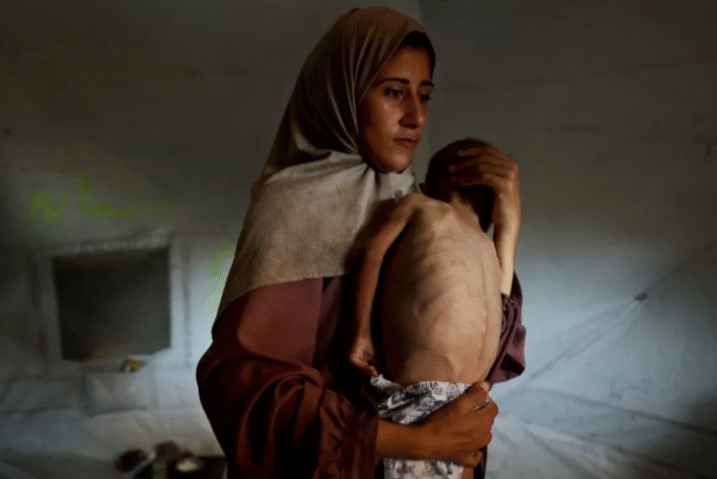
It weakens the body, affects a child’s development, undermines learning, and places unbearable pressure on parents who may already have lost their homes, livelihoods, or loved ones.
For a mother or father, not knowing how to feed a child is a devastating burden. The pain is not limited to an empty plate. It includes the helplessness of wanting to protect your family while lacking the resources to do so.
In Gaza, humanitarian food assistance remains essential. OCHA’s October report noted that approximately 90 percent of the population relied on humanitarian food assistance, while many households continued to struggle to obtain enough food.
The report also recorded that 44 percent of surveyed households had gone to bed hungry at least once during the preceding 30 days.
Read the World Food Programme’s work and emergency response.
Food must reach people who need it. Humanitarian workers need the resources and access required to deliver assistance safely and consistently. Medical supplies, clean water, shelter, and essential services must also be available.
Promises alone cannot feed a hungry child.
Why Has the World’s Attention Faded?
The international community has many crises competing for its attention. News cycles move quickly, political priorities change, and public concern can weaken when a crisis continues for months or years.

But a prolonged emergency does not become less serious simply because it becomes less prominent in the news.
The absence of headlines does not mean the absence of suffering.
Gaza’s families cannot afford for their circumstances to become an issue that the world remembers only during moments of intense media coverage.
Governments, humanitarian organizations, journalists, community leaders, and ordinary citizens all have a role in keeping attention focused on civilian needs and ensuring that promises of support translate into meaningful action.
The responsibility is not simply to feel sadness. It is to remain engaged, seek reliable information, support credible relief efforts, and insist that human dignity matters everywhere.
The World Must Answer to Its Conscience
When children suffer, the moral responsibility of the international community cannot be dismissed.
Accountability matters. International humanitarian law matters. The protection of civilians matters. Access to humanitarian assistance matters.
All parties to an armed conflict must respect their applicable obligations under international humanitarian law, including the protection of civilians and the rules governing humanitarian relief.
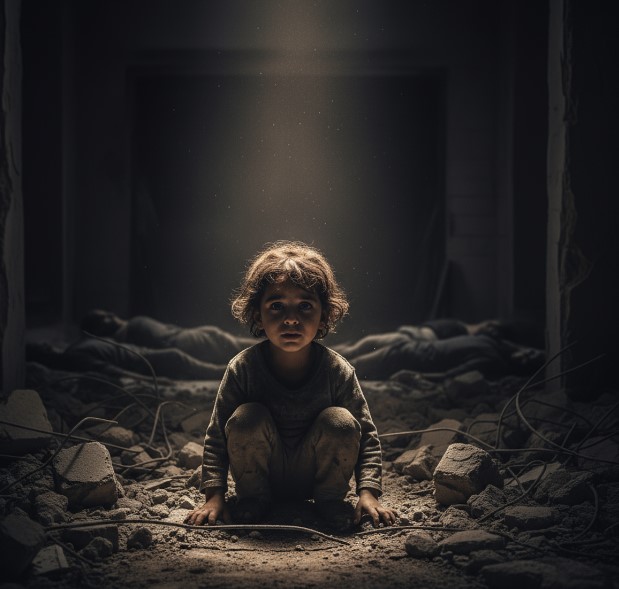
Those responsible for violations must face appropriate, lawful accountability through credible processes.
The voices of children and families who have endured suffering should not be ignored simply because they have little political power.
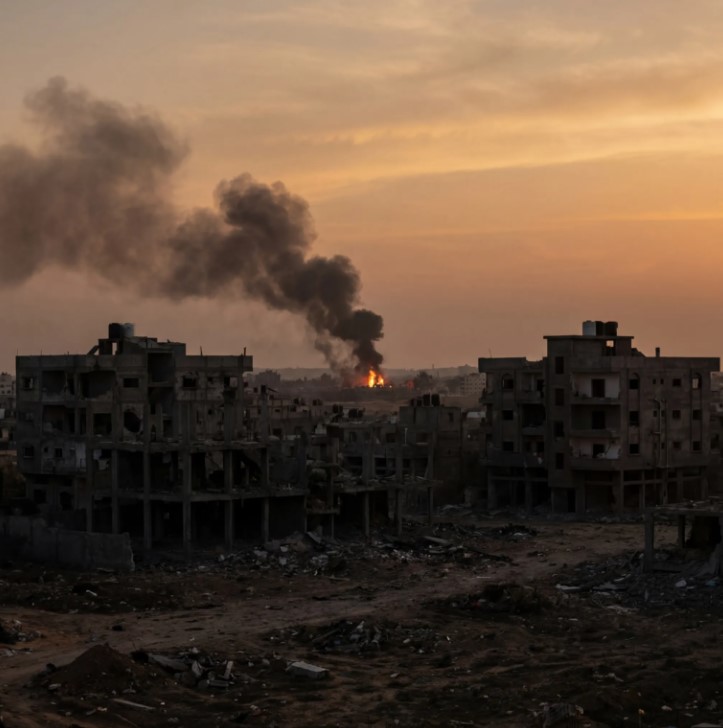
History will remember not only the decisions made during a crisis, but also whether the international community made a serious effort to protect human life.
Read Also: Gaza Burns
The cries of suffering children should trouble every conscience. Their pain should inspire action, not hatred or revenge.
Justice must be pursued through truth, humanity, and accountability.
What Can Ordinary People Do for Gaza?
It is easy to feel powerless when watching a humanitarian crisis unfold from thousands of miles away. But meaningful action does not have to begin with a government or a large organization.
Here are practical ways to help.
1. Support credible humanitarian relief
Donate, when possible, through established humanitarian organizations that provide food, medical assistance, clean water, shelter, and support for children.
2. Share verified information
Use reliable reporting from humanitarian organizations and established news sources. Check dates, context, and original sources before sharing dramatic claims.
3. Keep the issue visible
Discuss the humanitarian needs of Gaza respectfully. Do not allow public attention to disappear simply because other stories dominate the headlines.
4. Demand civilian protection
Encourage political representatives and international institutions to support civilian protection, safe humanitarian access, and accountability under international law.
5. Reject hatred and collective blame
Compassion for Palestinian civilians does not require hatred toward another population. Human rights and civilian protection must apply to everyone.
You can learn more through the United Nations Relief and Works Agency for Palestine Refugees and the International Committee of the Red Cross.
Before donating, verify the organization’s identity, official website, and current operations.
Gaza Needs More Than Sympathy
A social media post may raise awareness. A donation may help provide food or medicine. A conversation may encourage someone else to take action.

Each step has value, but the scale of the crisis requires sustained effort.
Gaza needs humanitarian assistance that reaches civilians, reliable access to essential supplies, functioning medical services, safe shelter, and meaningful protection for children and other vulnerable people.
It also needs the world to resist the temptation to treat prolonged suffering as normal.
No child should have to prove that their life matters. No family should be denied compassion because of where it lives. No humanitarian crisis should be allowed to disappear from public consciousness merely because it has lasted too long.
The people of Gaza deserve more than temporary sympathy. They deserve safety, dignity, justice, and the opportunity to rebuild their lives.
A Final Appeal to Humanity
Perhaps the most disturbing thing about a humanitarian crisis is not only the suffering itself, but the possibility that other people may gradually learn to live with the images of that suffering.
We must refuse to let that happen.
When a child cries from hunger, that cry belongs to our shared humanity. When a mother struggles to protect her family, her pain deserves to be heard. When civilians lose their homes and security, their suffering demands a response.
The world may move on to another headline, but we must not move on from our responsibility.
Gaza is not a forgotten story to the children who are still suffering. It must not become one to the rest of us.
Let us keep our eyes open, our hearts compassionate, and our actions meaningful.
Let us demand justice without hatred, help without discrimination, and peace without abandoning the people who need it most.
Because the true measure of humanity is not how comfortably we live when life is peaceful. It is whether we stand up for human dignity when innocent people are suffering.
Do not forget Gaza. Do not forget its children. And do not let compassion end where the headlines do.
Frequently Asked Questions
Why is Gaza still facing a humanitarian crisis?
Gaza continues to face the consequences of conflict, displacement, damaged infrastructure, food insecurity, and shortages affecting essential services. Humanitarian access and funding remain important factors in meeting civilian needs.
How can people help children in Gaza?
People can support credible humanitarian organizations, share verified information, advocate for civilian protection, and help sustain attention on food, health care, clean water, shelter, and education.
Why does continued international attention matter?
Sustained attention can help mobilize resources, support humanitarian operations, encourage diplomatic action, and keep civilian protection and accountability on the international agenda.
Which organizations provide information about Gaza?
The United Nations Office for the Coordination of Humanitarian Affairs, UNICEF, the World Food Programme, UNRWA, and the International Committee of the Red Cross publish information about humanitarian needs and response efforts.
Editorial Note
Humanitarian conditions can change rapidly. Readers should consult the linked organizations for the latest verified information and updates.
For further insights, keep visiting blogy365.com



Leave a Comment