


Karachi, Pakistan’s bustling metropolis, is currently grappling with an intense heatwave that has raised alarm across the city. The soaring temperatures have not only made daily life challenging but have also increased the risk of heat stroke among residents. As Karachi transforms into a concrete jungle with the rapid demolition of trees and gardens, the situation becomes even more critical. This blog post aims to shed light on the reasons behind the heat stroke crisis and provide essential precautions to stay safe during this sweltering period.
The Rising Threat of Heat Stroke
Heat stroke is a severe heat-related illness that occurs when the body’s temperature regulation system fails, and the body temperature rises to dangerous levels. It is a medical emergency that requires immediate attention. Symptoms of heat stroke include high body temperature, altered mental state or behavior, nausea, vomiting, flushed skin, rapid breathing, and a racing heart rate.
Causes of Heat Stroke in Karachi
- Extreme Temperatures: Karachi is currently experiencing extremely high temperatures, often exceeding 40°C (104°F). The heat is exacerbated by high humidity levels, making it difficult for the body to cool down through sweating.
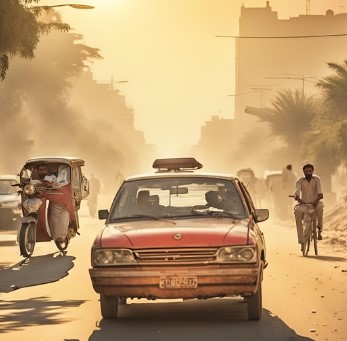
- Urban Heat Island Effect: The city’s rapid urbanization has led to the development of numerous concrete structures, reducing green spaces. Concrete and asphalt absorb and retain heat, causing the urban heat island effect, where temperatures in urban areas are significantly higher than in surrounding rural areas.
- Deforestation and Uneven Construction: The demolition of trees and gardens to make way for new buildings has significantly reduced the natural cooling effect provided by vegetation. Uneven construction practices often lead to the haphazard cutting down of trees, further exacerbating the problem. Trees and plants play a crucial role in moderating temperatures by providing shade and releasing moisture into the air through transpiration.
- Inadequate Infrastructure: Many areas in Karachi lack adequate infrastructure to cope with extreme heat. Limited access to clean drinking water, insufficient public cooling centers, and inadequate healthcare facilities contribute to the increased risk of heat stroke.

Precautions to Prevent Heat Stroke
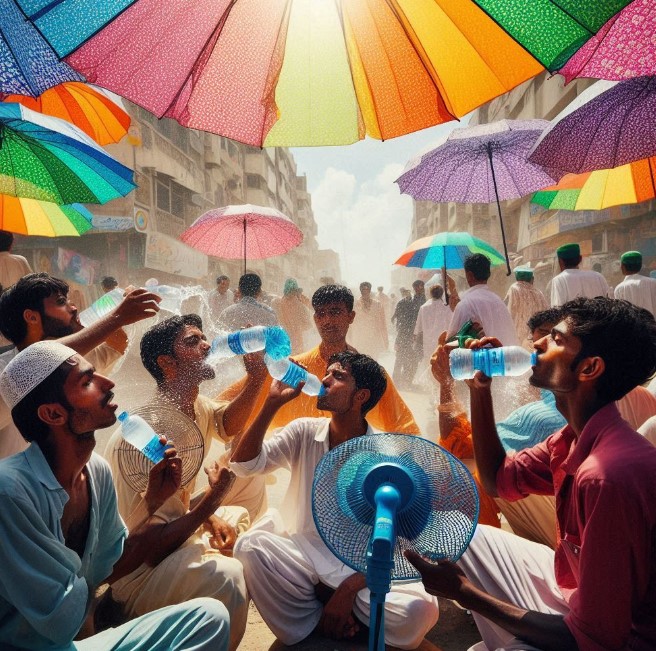
- Stay Hydrated: Drink plenty of water throughout the day to stay hydrated. Avoid sugary, caffeinated, and alcoholic beverages as they can lead to dehydration.
- Dress Appropriately: Wear lightweight, loose-fitting, and light-colored clothing to help your body stay cool. Use hats and sunglasses to protect yourself from direct sunlight.
- Avoid Peak Sun Hours: Limit outdoor activities during the hottest part of the day, typically between 10 AM and 4 PM. If you must be outside, take frequent breaks in shaded or air-conditioned areas.
- Use Cooling Techniques: Take cool showers or baths, use damp cloths to cool your skin, and stay in air-conditioned or well-ventilated spaces. Portable fans can also help, but they are more effective when used with other cooling techniques.
- Monitor Vulnerable Individuals: Keep a close eye on the elderly, young children, and those with pre-existing health conditions, as they are more susceptible to heat stroke. Ensure they have access to cool environments and plenty of fluids.
- Educate and Raise Awareness: Spread awareness about the dangers of heat stroke and the importance of taking preventive measures. Community initiatives and public health campaigns can play a vital role in educating residents.
- Plant Trees and Create Green Spaces: Advocate for the planting of trees and the preservation of existing green spaces. Community efforts to increase urban greenery can help mitigate the urban heat island effect and provide natural cooling.
Conclusion
As Karachi continues to evolve into a concrete city, it is crucial to address the environmental and infrastructural challenges that contribute to the rising threat of heat stroke. By taking proactive measures to stay cool and hydrated, and by advocating for more green spaces, we can collectively combat the adverse effects of extreme heat. Stay informed, stay safe, and help make Karachi a more resilient city in the face of climate change.
For more information on how to protect yourself during a heatwave, visit the World Health Organization’s Heat and Health guidelines.
Stay connected with us for more updates and health tips at Blogy365.com


Leave a Comment