

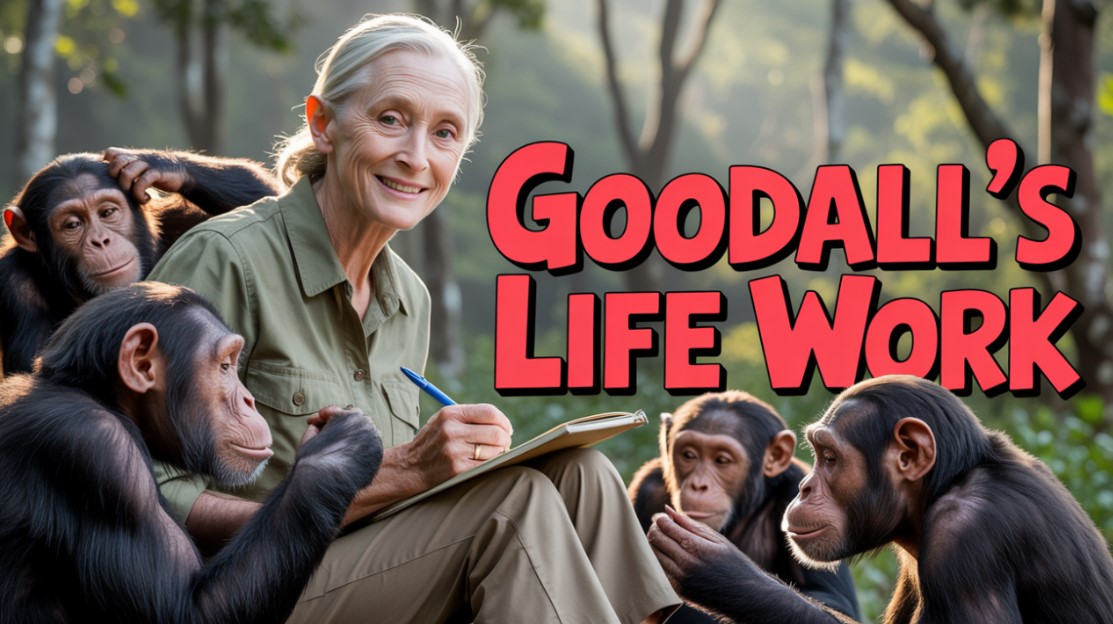

Few people have left a mark on both science and humanity as deeply as Dr. Jane Goodall. Known worldwide for her groundbreaking work with chimpanzees and her tireless environmental advocacy, Goodall transformed the way we understand animals and ourselves. On Wednesday, her institute confirmed that she passed away peacefully at the age of 91 while on a speaking tour in California.
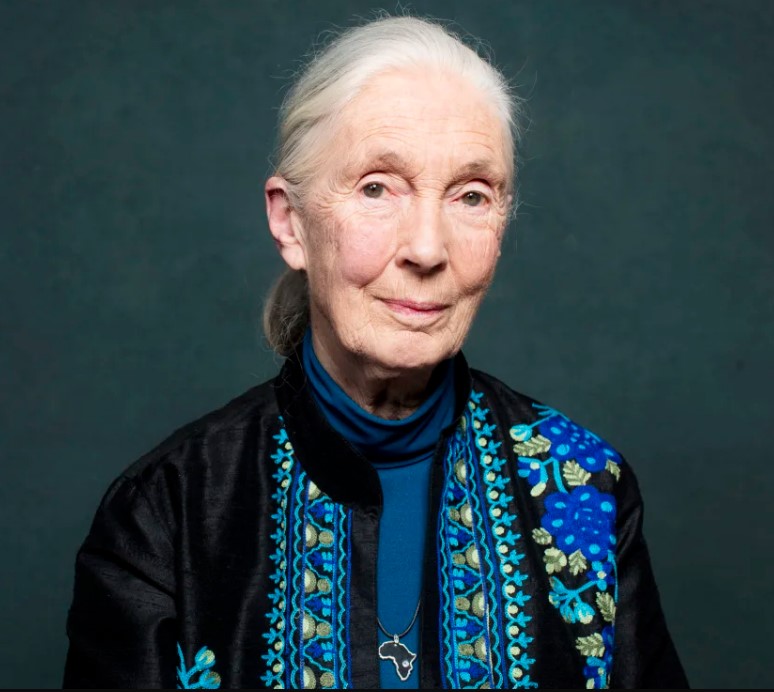
🧠 A Revolutionary in Science and Compassion by Goodall
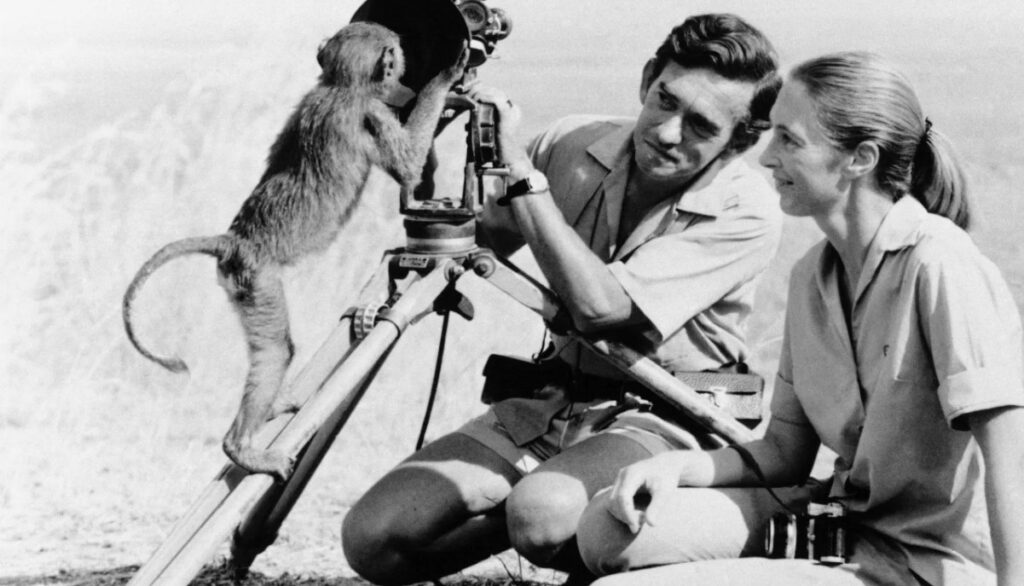
When Goodall arrived in Tanzania’s Gombe Stream Chimpanzee Reserve in 1960, she was just 26 years old, with no formal higher education. What she did have was an unshakable fascination with animals and the courage to live among them.
At first, the chimpanzees fled from her. As she later joked, “They’d never seen a white ape before.” But with patience and persistence, Goodall earned their trust.
Her first breakthrough came with David Graybeard, an older chimpanzee who accepted a palm nut from her hand and gently squeezed her fingers. That simple gesture marked the start of one of the most important relationships in modern science.
🛠️ Discoveries That Shattered Old Beliefs
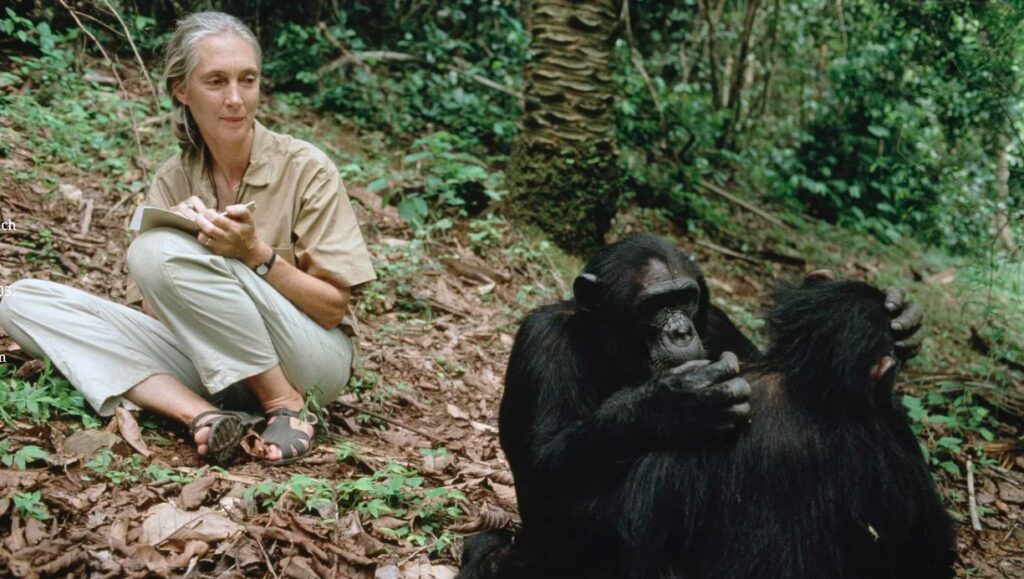
Until Jane Goodall’s observations, scientists believed tool-making was a uniquely human trait. But she saw chimps stripping twigs to fish termites out of mounds—a clear act of tool modification.
She also documented that chimpanzees not only ate meat but showed emotions, personalities, and social behaviors that mirrored our own. These findings blurred the long-held line between humans and the animal kingdom.
Her methods, giving chimps names instead of numbers and observing them up close rather than from a distance, challenged the scientific establishment. Many criticized her for being “untrained” and “too emotional.” Yet her work proved that compassion and science are not opposites, but allies.
🌍 A Voice for the Planet, Goodall
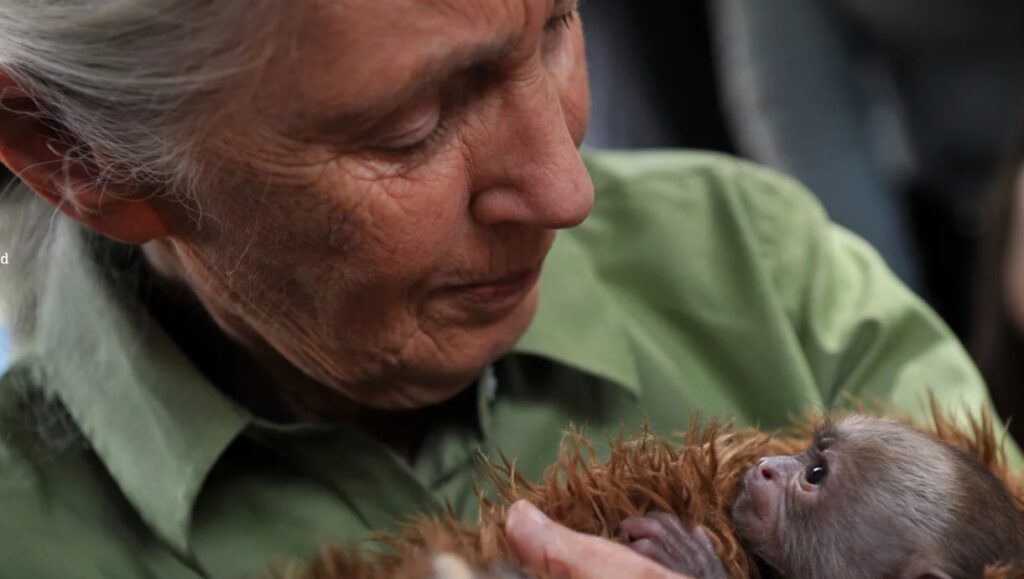
Goodall was more than a scientist. She became a global advocate for conservation and animal rights.
- In 2002, she was named a United Nations Messenger of Peace.
- In 2004, she was appointed Dame of the British Empire.
- In 2025, she received the U.S. Presidential Medal of Freedom.
The United Nations mourned her passing, saying she “worked tirelessly for our planet and all its inhabitants, leaving an extraordinary legacy for humanity and nature.”
Her Jane Goodall Institute continues to run community-centered conservation projects, youth empowerment programs like Roots & Shoots, and global campaigns to protect endangered species.
(Explore more about her ongoing legacy here: Jane Goodall Institute)
💡 Lessons from Jane Goodall’s Life
What made Jane Goodall extraordinary wasn’t just her discoveries—it was her mindset.
- Patience and empathy allowed her to connect with chimpanzees in ways no scientist had before.
- Courage to defy conventions made her stand firm even when the academic world dismissed her.
- Unwavering advocacy ensured her influence extended far beyond the forests of Gombe.
Her story reminds us that one person, guided by curiosity and compassion, can shift the course of history.
📸 A Legacy That Lives On
From her 1965 CBS special “Miss Goodall and the World of Chimpanzees” to the award-winning 2017 documentary “Jane”, her life has inspired generations. Her teachings live not only in scientific literature but in classrooms, documentaries, and conservation movements across the globe.
Jane Goodall once said after her first encounter with David Graybeard,
“In that moment, we communicated in a way that must have predated human language.”
Her life’s work was about that same connection, not only with animals but with our planet itself.
🌟 Final Word
Dr. Jane Goodall’s death closes a remarkable chapter, but her spirit lives on in the conservation movement, in young scientists, and in everyone who dares to see nature not as something to exploit, but as family.
She proved that empathy belongs in science and that protecting our Earth is a responsibility we all share.
For further insights, keep visiting blogy365.com



Leave a Comment