

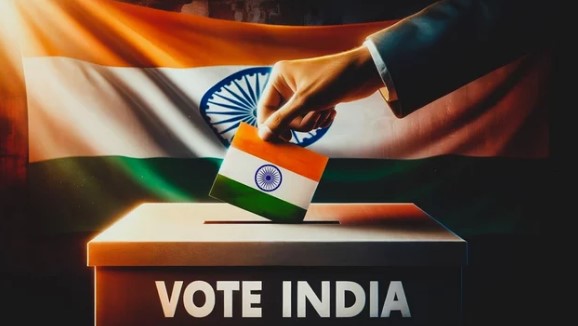

Introduction:
The Indian Lok Sabha elections, a cornerstone of the world’s largest democracy, are not just about political parties vying for power; they are a reflection of the nation’s collective voice. The recently conducted Phase II of the 2024 Lok Sabha polls saw a significant turnout, indicative of the citizens’ active engagement in shaping the future of the country.
High Turnout Reflects Democratic Vigor:
The Election Commission’s data reveals a commendable turnout of approximately 61% during Phase II of the Lok Sabha elections. This turnout underscores the Indian electorate’s commitment to the democratic process. It’s a testament to the citizens’ awareness of their rights and responsibilities, with each vote carrying the weight of their aspirations and convictions.
Regional Variations in Voter Participation:
In the diverse tapestry of Indian states, voter turnout varies, reflecting unique socio-political landscapes. Tripura emerged as a beacon of electoral enthusiasm, recording an impressive 78.53% polling. Conversely, Uttar Pradesh witnessed a relatively lower turnout at 53.80%, signaling the need for deeper analysis into factors influencing voter engagement in different regions.
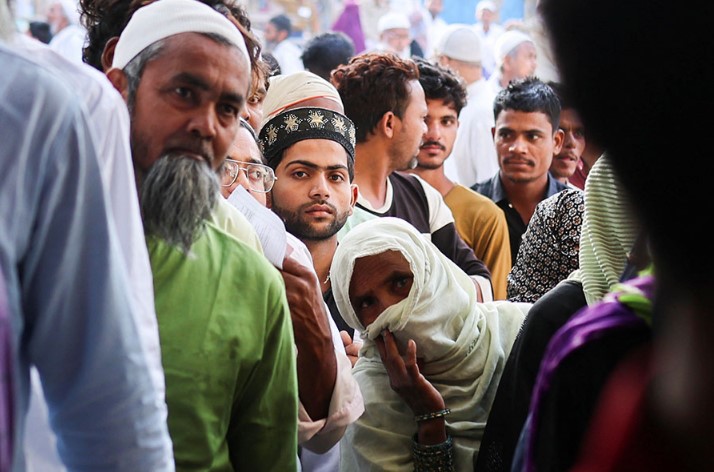
Manipur’s Resilience Amidst Challenges:
The turnout in Manipur, marred by ethnic violence, stood at 77.18%. This figure is not merely statistical; it symbolizes the resilience of Manipuri citizens in the face of adversity. Despite challenges, they have demonstrated their unwavering commitment to democracy, sending a powerful message of unity and determination.
Historical Perspective: Indian-Pakistan Elections:
The history of Indian elections intertwines with the neighboring nation of Pakistan, both sharing a legacy of partition. Post-independence, both countries embarked on divergent paths of governance, shaping their electoral systems accordingly. While India embraced a vibrant democratic framework, Pakistan grappled with periods of military rule interspersed with civilian governments.
Tensions and Shared Heritage:
The historical backdrop of partition casts a shadow over the diplomatic relations between India and Pakistan, often influencing regional dynamics. Despite shared cultural heritage, bilateral relations remain complex, punctuated by periodic escalations and attempts at reconciliation. Elections in both nations serve as barometers of domestic sentiment, influencing the broader geopolitical landscape.
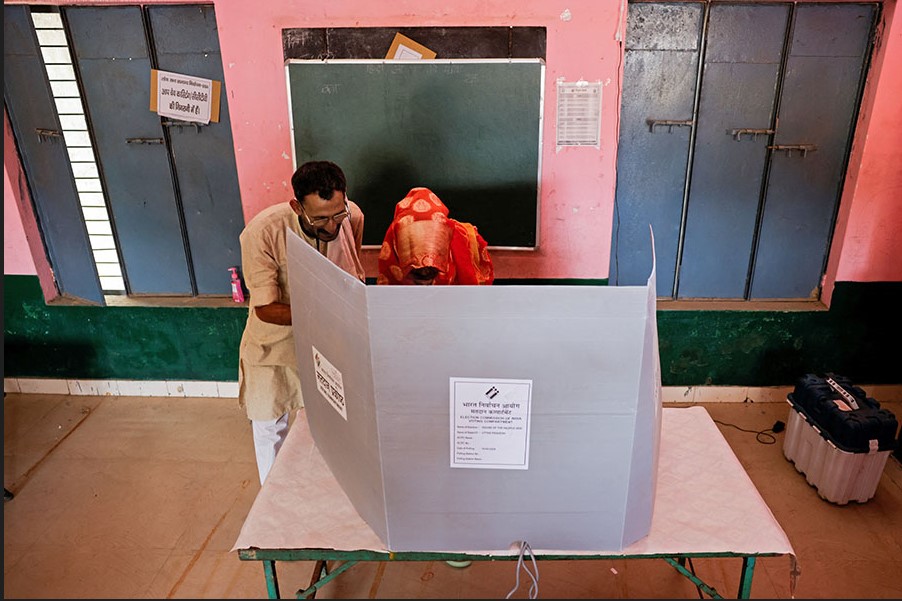
Implications for Democracy:
As the Lok Sabha election unfolds, each phase offers insights into the evolving contours of Indian democracy. Beyond the numbers, it’s the narratives of citizens’ aspirations, challenges, and triumphs that shape the electoral discourse. The turnout in Phase II reflects not just electoral participation but a reaffirmation of democratic values and principles.
Conclusion:
The Lok Sabha elections of 2024 are more than a political spectacle; they are a celebration of democracy’s vibrancy and resilience. From the bustling streets of urban centers to the remote corners of rural India, every vote cast is a testament to the nation’s democratic ethos. As the electoral journey progresses, let us embrace the diversity of voices, recognizing that in unity lies the strength of our democracy.

Very interesting details you have mentioned,
thank you for posting.Blog range