

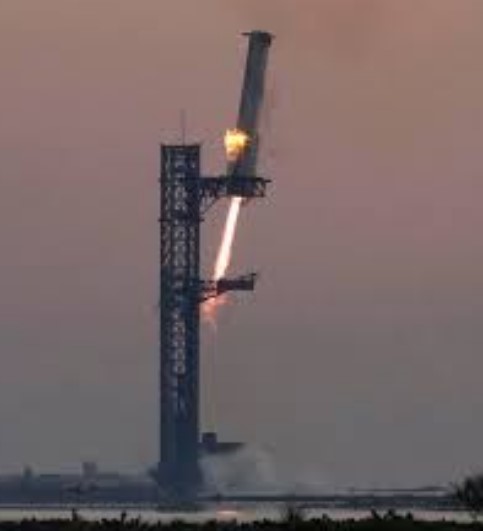

In a groundbreaking achievement, Elon Musk’s SpaceX has taken another significant step towards revolutionizing space travel. During the fifth test flight of the Starship rocket, the vehicle’s lower half, known as the Super Heavy booster, made history by being captured upon its return to the launch pad. This successful retrieval, executed by giant mechanical arms beside the launch tower, marks a world first and moves SpaceX closer to its goal of creating a fully reusable rocket system.
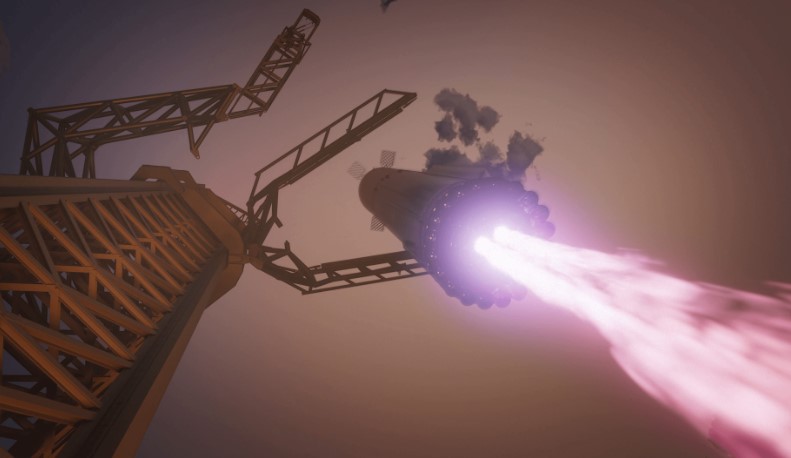
A Moment for the History Books
The successful capture of the Super Heavy booster wasn’t guaranteed. In fact, prior to the launch, SpaceX engineers had acknowledged the slim chances of such a clean landing on the first attempt. There was even a contingency plan to direct the booster to land in the Gulf of Mexico. However, against the odds, the mechanical “chopsticks” arms managed to deftly catch the booster as it returned to the Boca Chica launch site in Texas.
This event is a major milestone in SpaceX’s mission to develop rockets that can be rapidly deployed and reused—an essential factor in reducing the cost of space travel and speeding up the time between launches.
SpaceX’s Development Strategy: Embracing Failure
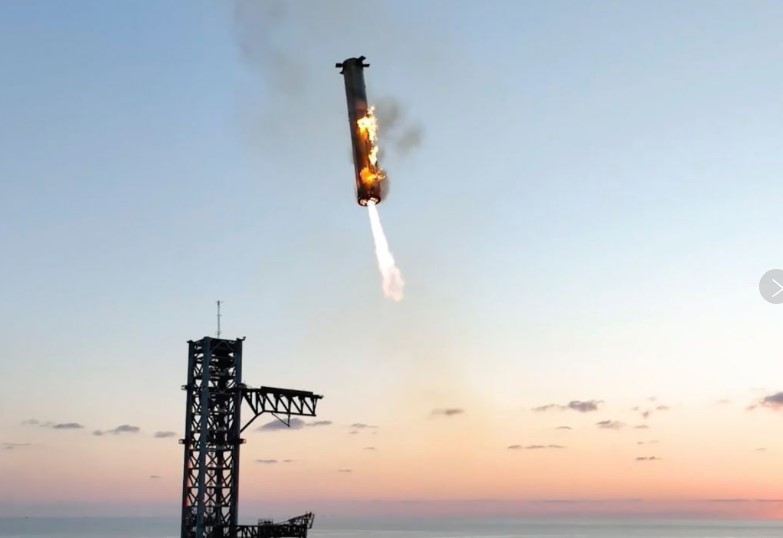
One of the unique aspects of SpaceX’s development approach is its willingness to fail early and often. By doing so, the company collects valuable data, which helps it to iterate and improve faster than competitors. The recent success comes just 18 months after the vehicle’s inaugural flight ended with the rocket being destroyed shortly after launch. These early failures, however, are seen by SpaceX as necessary steps toward eventual success.
The Path Forward: Moon and Mars Missions
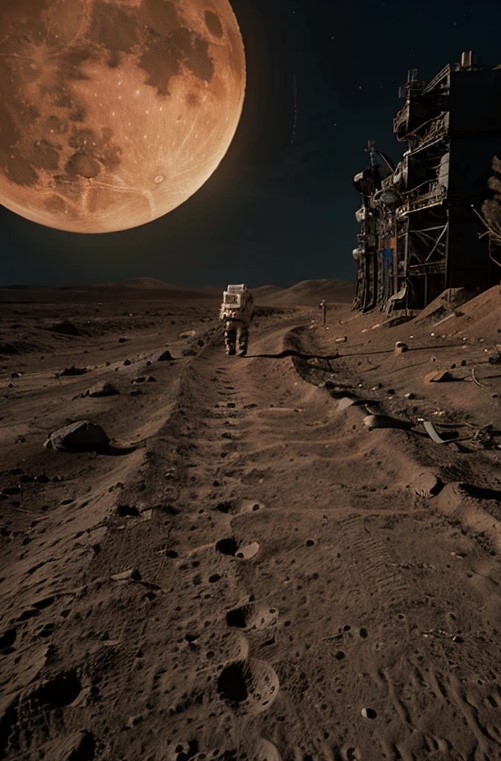
SpaceX has grand ambitions for the Starship rocket. The company envisions that this system will one day carry humans to the Moon and eventually to Mars, in line with Musk’s vision of making humanity a “multi-planetary species.” NASA has also placed its trust in SpaceX by awarding the company a $2.8 billion contract to develop Starship as a lunar lander, capable of returning astronauts to the Moon by 2026.
The booster’s successful landing and capture not only demonstrate the feasibility of rapid reuse but also signal that SpaceX is on track to meet NASA’s ambitious timeline.
Read more about SpaceX’s vision for Mars colonization.
Environmental Concerns: Rocket Emissions Under Scrutiny

While SpaceX continues to make technological leaps, concerns about the environmental impact of its operations remain. Recently, the Federal Aviation Administration (FAA) raised questions about SpaceX’s compliance with licensing conditions, leading to a public spat between Elon Musk and the regulatory body. SpaceX was charged a $633,000 fine for allegedly failing to obtain proper permits for previous flights. In response, Musk has threatened legal action against the FAA.
Beyond regulatory disputes, environmental experts are examining the broader impact of rocket emissions. Dr. Eloise Marais, a professor of atmospheric chemistry at University College London, points out that while the carbon emissions from rockets like Starship are relatively small compared to other forms of transportation, other pollutants, such as black carbon, pose significant risks.
“Black carbon from rockets, especially those using liquid methane like Starship, can remain in the atmosphere for extended periods, particularly when released at high altitudes,” says Dr. Marais. “This could have long-term warming effects on the planet.”
The Future of Space Travel: What’s Next?
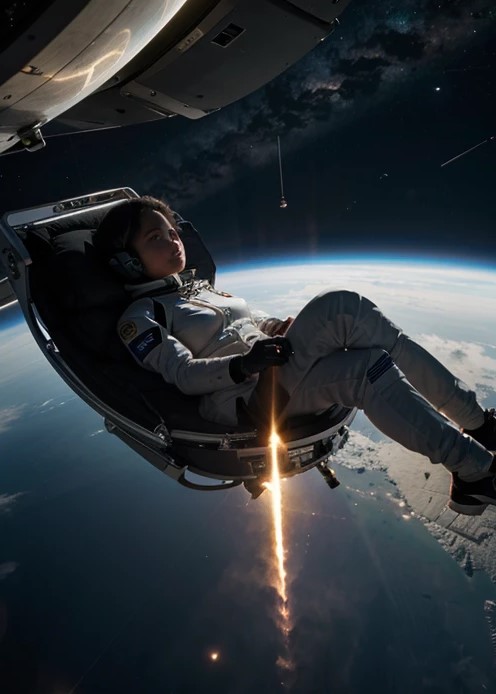
As SpaceX moves forward, the next key milestone will be developing and testing the Starship’s capabilities to carry crew and cargo beyond Earth’s orbit. The recent success of the booster capture suggests that the company is well-positioned to achieve its future goals. However, before Starship can take humans to the Moon or Mars, many technical and regulatory hurdles remain to overcome.
As we look to the future, one thing is certain: SpaceX is not just advancing the boundaries of space travel but also pushing the entire space industry forward. For Elon Musk, each successful test brings his vision of a multi-planetary future one step closer to reality.
For more updates on SpaceX’s upcoming missions, visit SpaceX’s official blog.
Leave a Comment